
ProGRAMs
Protect Our Ocean
we are now developing our contents,
thanks for your patience
Storytelling: Environment & Marinelife
Waterbirds Monitoring & Protection
New text element
Whale Shark Monitoring & Conservation
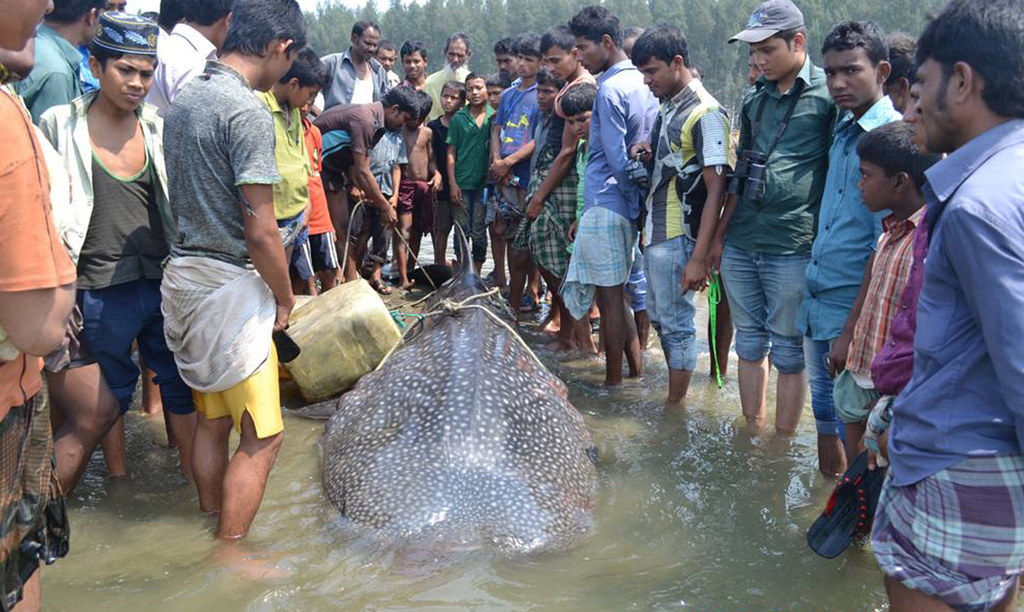
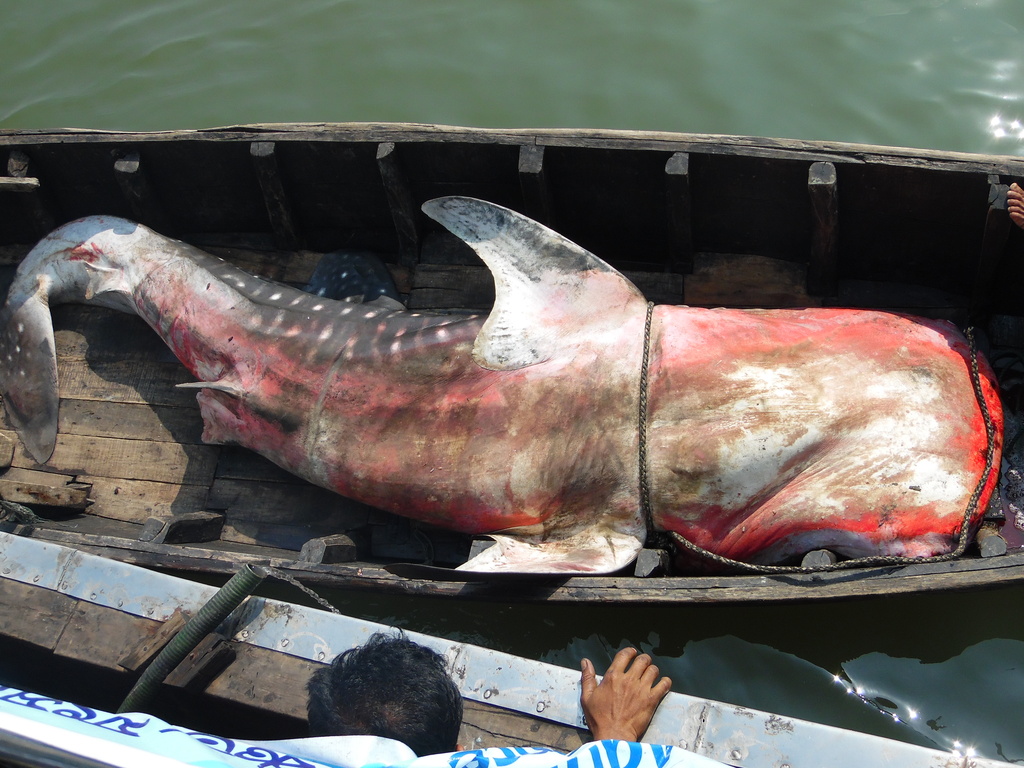
Our program places strong emphasis on community engagement and capacity building. Fishermen are trained to identify whale sharks accurately, report sightings in a standardized format, and follow safe handling protocols in case of incidental capture. This includes guidance on reducing stress to live animals, safely disentangling sharks from nets or lines, and releasing them back into the water with minimal harm. By empowering local fishers to participate actively in monitoring, we foster a sense of ownership and stewardship, which is critical for the long-term success of conservation initiatives.
In addition to data collection, our project integrates scientific analysis and spatial mapping to understand patterns of whale shark interactions with fisheries. By compiling data from multiple offshore communities, we can identify high-risk areas and peak seasons for bycatch. This information supports the development of targeted mitigation strategies, such as gear modifications, seasonal fishing restrictions, or the establishment of marine protected areas in key habitats. For example, modifications to gillnets or longlines can significantly reduce the likelihood of whale shark entanglement without imposing undue economic burdens on fishers.
A unique strength of our program is the combination of traditional ecological knowledge from fishermen with modern monitoring techniques. Local fishers possess extensive knowledge of seasonal whale shark movements, feeding grounds, and oceanographic conditions that influence encounters. Integrating this information with scientific data allows for a more holistic understanding of whale shark ecology and strengthens conservation outcomes. Furthermore, documenting live sightings contributes to global databases of whale shark populations, supporting international conservation efforts.
Public awareness and education are also essential components of whale shark conservation. Our program disseminates findings through community workshops, fisher meetings, and digital platforms, highlighting the ecological and economic importance of whale sharks. By demonstrating the role of fishermen as conservation partners, we encourage responsible fishing practices, promote eco-tourism opportunities, and foster broader support for protective measures. Over time, this approach has helped reduce the stigma or fear associated with large marine species and strengthened collaboration between scientists, conservationists, and local communities.
Monitoring and conservation of whale shark bycatch is not without challenges. Reporting can be inconsistent due to fear of regulatory repercussions or economic loss, and offshore conditions make data collection logistically complex. However, by maintaining trust and transparency with participating fishermen, and by providing clear incentives for reporting, our program has achieved consistent engagement and reliable data collection. The integration of live sighting data with bycatch reports ensures that conservation strategies are informed not only by mortality events but also by broader population trends and movement patterns.
In conclusion, whale shark bycatch monitoring and conservation requires a combination of scientific rigor, community collaboration, and practical mitigation measures. Our program demonstrates that working closely with offshore fishermen provides invaluable data on both incidental capture and live sightings, contributing to a more complete understanding of whale shark ecology. Through targeted training, engagement, and strategic conservation interventions, we aim to reduce bycatch impacts, strengthen local stewardship, and ensure the long-term survival of this iconic species. These efforts highlight the potential of community-based monitoring programs as a model for marine megafauna conservation worldwide.
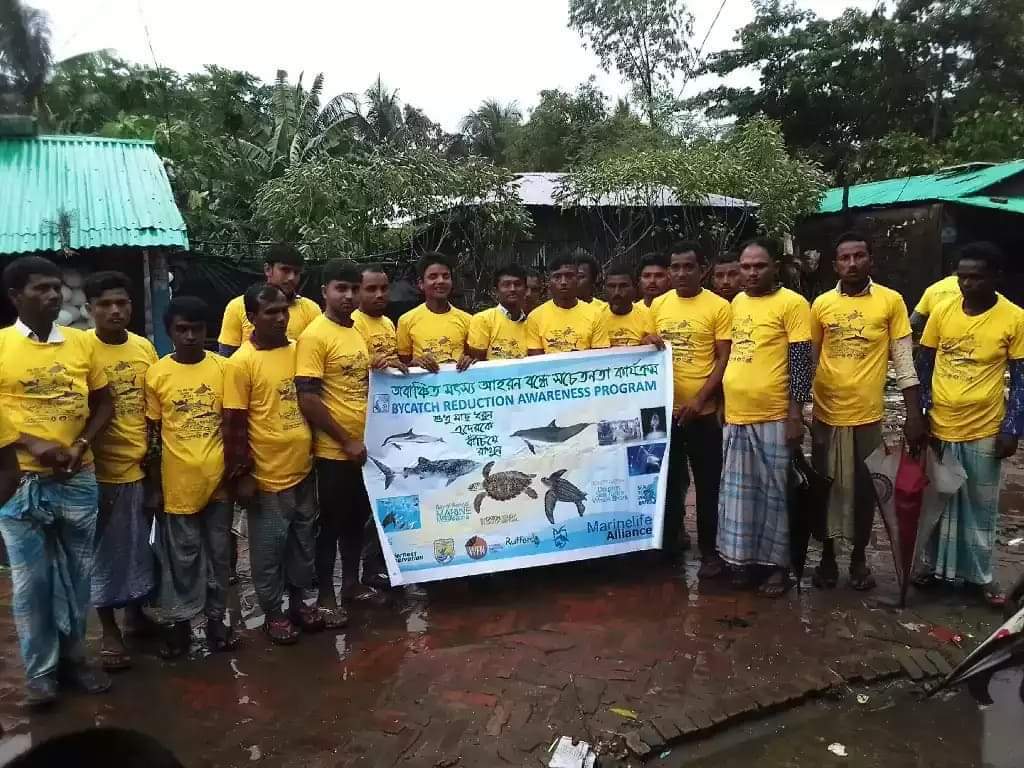
The whale shark (Rhincodon typus) is the world’s largest fish species and is classified as Endangered by the IUCN Red List due to threats from fisheries, habitat degradation, and vessel strikes. Despite their global significance as a charismatic marine species, whale sharks are often incidentally caught as bycatch in commercial and artisanal fisheries. Bycatch presents a significant conservation challenge, as it can cause injury or mortality to individuals and undermines population recovery, particularly in regions where population size and trends are poorly known. Understanding and mitigating bycatch is therefore crucial for both species conservation and sustainable fisheries management.Our organization has established a comprehensive whale shark bycatch monitoring program, aiming to assess the frequency, causes, and geographic patterns of bycatch incidents. A central component of this program is the active collaboration with offshore fishermen, who provide valuable real-time observations of whale shark encounters. Fishermen are often the first to encounter whale sharks in the open ocean, either as incidental captures in fishing gear or as live sightings near fishing grounds. By working closely with these local stakeholders, we are able to gather reliable, on-the-ground data that would otherwise be difficult to obtain.
Data collection is conducted through a combination of direct reporting, standardized logbooks, and interviews with participating fishermen. When a whale shark is incidentally caught, detailed information is recorded, including the location, date, gear type, and the condition of the animal (alive, injured, or deceased). For live sightings, fishermen provide approximate size estimates, location coordinates, and behavioral observations, which are cross-verified through photographic evidence when possible. This approach not only enables accurate monitoring of bycatch but also contributes to broader ecological knowledge, including seasonal presence, movement patterns, and aggregation hotspots.
Our program places strong emphasis on community engagement and capacity building. Fishermen are trained to identify whale sharks accurately, report sightings in a standardized format, and follow safe handling protocols in case of incidental capture. This includes guidance on reducing stress to live animals, safely disentangling sharks from nets or lines, and releasing them back into the water with minimal harm. By empowering local fishers to participate actively in monitoring, we foster a sense of ownership and stewardship, which is critical for the long-term success of conservation initiatives.
In addition to data collection, our project integrates scientific analysis and spatial mapping to understand patterns of whale shark interactions with fisheries. By compiling data from multiple offshore communities, we can identify high-risk areas and peak seasons for bycatch. This information supports the development of targeted mitigation strategies, such as gear modifications, seasonal fishing restrictions, or the establishment of marine protected areas in key habitats. For example, modifications to gillnets or longlines can significantly reduce the likelihood of whale shark entanglement without imposing undue economic burdens on fishers.
A unique strength of our program is the combination of traditional ecological knowledge from fishermen with modern monitoring techniques. Local fishers possess extensive knowledge of seasonal whale shark movements, feeding grounds, and oceanographic conditions that influence encounters. Integrating this information with scientific data allows for a more holistic understanding of whale shark ecology and strengthens conservation outcomes. Furthermore, documenting live sightings contributes to global databases of whale shark populations, supporting international conservation efforts.
Public awareness and education are also essential components of whale shark conservation. Our program disseminates findings through community workshops, fisher meetings, and digital platforms, highlighting the ecological and economic importance of whale sharks. By demonstrating the role of fishermen as conservation partners, we encourage responsible fishing practices, promote eco-tourism opportunities, and foster broader support for protective measures. Over time, this approach has helped reduce the stigma or fear associated with large marine species and strengthened collaboration between scientists, conservationists, and local communities.
Monitoring and conservation of whale shark bycatch is not without challenges. Reporting can be inconsistent due to fear of regulatory repercussions or economic loss, and offshore conditions make data collection logistically complex. However, by maintaining trust and transparency with participating fishermen, and by providing clear incentives for reporting, our program has achieved consistent engagement and reliable data collection. The integration of live sighting data with bycatch reports ensures that conservation strategies are informed not only by mortality events but also by broader population trends and movement patterns.
In conclusion, whale shark bycatch monitoring and conservation requires a combination of scientific rigor, community collaboration, and practical mitigation measures. Our program demonstrates that working closely with offshore fishermen provides invaluable data on both incidental capture and live sightings, contributing to a more complete understanding of whale shark ecology. Through targeted training, engagement, and strategic conservation interventions, we aim to reduce bycatch impacts, strengthen local stewardship, and ensure the long-term survival of this iconic species. These efforts highlight the potential of community-based monitoring programs as a model for marine megafauna conservation worldwide.
Bycatch Training & Capacity Building
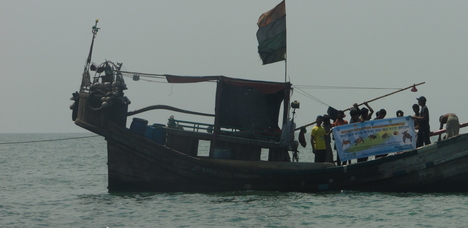
Since 2005, our organization has been implementing comprehensive Bycatch Training Programs aimed at strengthening the technical knowledge and practical skills of fishing communities across Bangladesh’s coastal and marine areas. These programs were developed in response to increasing concerns over accidental capture of non-target and protected marine species, including sea turtles, dolphins, porpoises, sharks, rays, seabirds, and juvenile commercial fish species. The primary objective of the training programs has been to improve fishermen’s ability to identify bycatch species, apply safe handling and release techniques, and adopt responsible fishing practices that minimize ecological harm while sustaining livelihoods.
Bycatch Training Programs (Technical Capacity Building)
The training activities have been conducted in key coastal fishing zones such as Cox’s Bazar, Teknaf, Moheshkhali, Kutubdia, Sonadia Island, St. Martin’s Island, Nijhum Dwip National Park, Sandwip Island, Hatiya, and the Meghna Estuary region. These areas were prioritized due to their high fishing intensity and documented bycatch incidents. Between 2005 and 2024, a total of approximately 90 structured bycatch training programs were organized at landing centers, fishery ghats, coastal villages, and community training halls. Through these efforts, over 4,800 fishermen—including boat owners, skippers, crew members, and landing-site workers—received direct training.
Each training program followed a standardized yet flexible curriculum combining interactive classroom sessions, visual presentations, species identification guides, and hands-on demonstrations. Fishermen were trained to recognize commonly bycaught species, understand their conservation status, and learn step-by-step procedures for safely disentangling and releasing live animals. Special attention was given to fishing gears most associated with bycatch, such as gillnets, set bag nets, trammel nets, longlines, and small trawls. Legal awareness was also incorporated, covering relevant provisions of the Bangladesh Wildlife (Conservation and Security) Act, marine fisheries regulations, and seasonal fishing bans.
Over nearly two decades, these bycatch training programs have contributed to improved knowledge retention, safer fishing practices, and a measurable increase in voluntary release of bycaught animals. Fishermen trained through the program often act as peer educators within their communities, further extending the impact. The long-term continuity of these training initiatives since 2005 has helped build trust between conservation practitioners and fishing communities, creating a strong foundation for participatory marine biodiversity conservation in Bangladesh.