
our field activities
know about our work
Major Programs (5 Programs)
- Sea Turtle Monitoring & Conservation Program
- Cetacean Research & Conservation Program
- Whale Shark Documentation & Conservation Program
- Waterbird Monitoring & Coastal Wetland Protection Program
- Coral & Marine Habitat Conservation Program
Sea Turtle Activities
- Nesting beach monitoring (tracks, nests, hatchlings)
- Protecting nesting females and nests
- Hatchery management and safe release of hatchlings
- Tagging, measuring, and data collection
- Restoring and protecting nesting beach habitats
- Monitoring turtle bycatch in fishing gear
- Community awareness for turtle-safe fishing and tourism
- Training youth as beach rangers
- Beach cleanup for reducing marine debris
Cetacean (Dolphin & Whale) Activities
- Boat-based surveys and population assessments
- Photo identification of dolphin and whale individuals
- Monitoring distribution, behavior, and seasonal movements
- Recording entanglement, vessel strikes, and threats
- Mapping key dolphin and whale habitats
- Stranding response and documentation
- Community outreach on safe boating and fishing
- Working with authorities on marine protected area management
Whale Shark Activities
- Recording and verifying whale shark sightings
- Collecting size, photo, and biological information
- Fisher community reporting network
- Awareness for safe release of accidentally caught whale sharks
- Monitoring threats from nets and boat traffic
- Building a national whale shark database
- Preparing conservation guidelines and educational materials
Habitat Restoration
- Engage local communities, volunteers, and youth in plastic removal activities to protect marine species and coastal habitats.
- Promote awareness on reducing single-use plastics and proper waste disposal.
- Plant and restore screwpine (Pandanus) belts along beaches to stabilize sand dunes and protect shores from tidal surges and erosion.
- Maintain and monitor existing screwpine plantations for long-term coastal resilience.
- Combine community participation and nature-based solutions for sustainable shoreline protection.
- Beach clean up program to remove plastics, ghost nets, and other marine debris.
Coral & Marine Habitat Activities
- Coral reef health monitoring and underwater surveys
- Mapping coral cover, bleaching events, and threats
- Underwater photography, transects, and reef documentation
- Water quality monitoring in reef areas
- Awareness for responsible marine tourism
- Reporting destructive activities (anchors, dredging, pollution)
- Supporting local authorities in coral and reef protection
Nesting Sea Turtle Monitoring
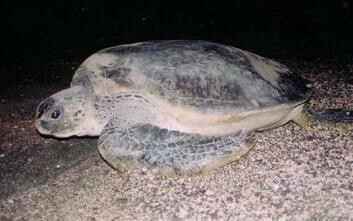
Marine Life Alliance (MLA) conducts long-term nesting sea turtle monitoring to protect endangered species and ensure their safe reproduction along the coast of Bangladesh. Our team surveys key nesting beaches, including Cox’s Bazar, Sonadia, and St. Martin’s Island, to record nesting activity, identify threats, and safeguard nests from predation, erosion, and human disturbance. We monitor female turtles during nesting, document tracks, collect biological data, and protect eggs through in-situ nest protection or relocation when necessary. MLA also trains local community members as beach monitors, creating employment while improving conservation outcomes. By working closely with fishers, villagers, and local authorities, we raise awareness on reducing bycatch, light pollution, and habitat destruction. Our monitoring efforts contribute essential scientific information on population trends, helping guide national conservation strategies. Through consistent field presence and community partnership, MLA strives to secure a safer future for Bangladesh’s nesting sea turtles.
Shore/Seabird Monitoring and Habitat Protection
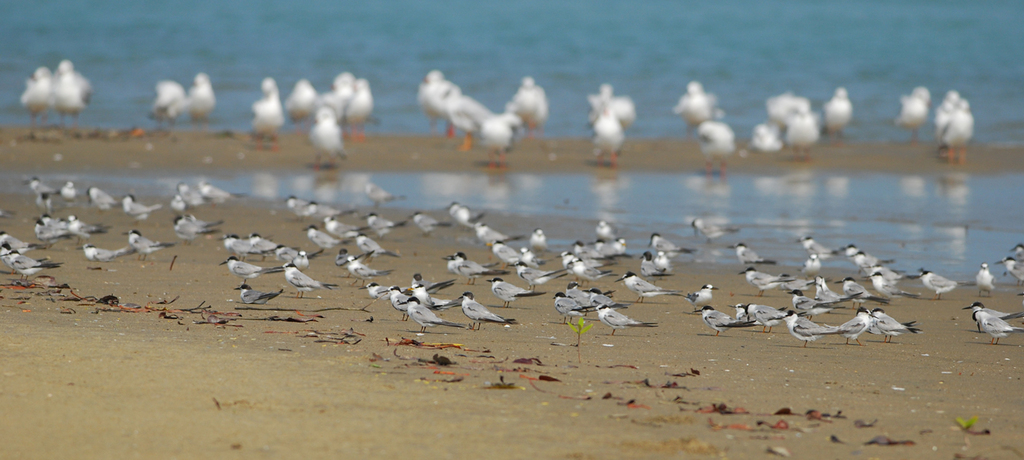
MLA works to safeguard the rich diversity of shorebirds and seabirds that depend on Bangladesh’s coastal and marine ecosystems. These species play a vital role in maintaining ecological balance, yet they face increasing threats from habitat loss, human disturbance, pollution, and climate-driven changes. Our monitoring and conservation efforts aim to protect both the birds and the fragile habitats they rely on.
We conduct systematic surveys across key coastal hotspots, including Sonadia, Cox’s Bazar, St. Martin’s Island, and surrounding mudflats and sandbars. Through regular population counts, migration tracking, breeding assessments, and habitat condition monitoring, we gather essential scientific data that helps identify trends, threats, and priority conservation areas. Our field teams document both resident and migratory species, with special focus on globally threatened birds such as the Spoon-billed Sandpiper, Great Knot, and various tern species.
Beyond monitoring, MLA is deeply engaged in habitat protection and restoration. We work to reduce disturbance in critical feeding and roosting sites, promote community-driven conservation zones, and collaborate with local authorities to safeguard sensitive coastal wetlands. Our efforts include awareness programs for fishers and coastal residents, reducing illegal hunting, and advocating for sustainable coastal development practices.
Through a combination of science, community partnerships, and long-term commitment, MLA strives to ensure that shorebirds and seabirds continue to thrive along Bangladesh’s coasts. By protecting these species, we also protect the health and resilience of our shared coastal environment.
Protecting Shorebirds
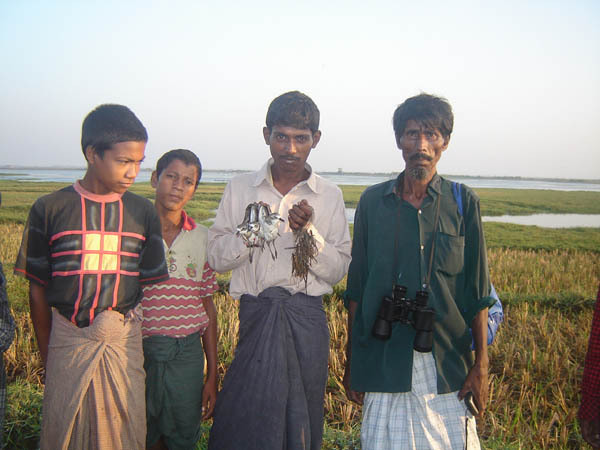
Our efforts to protect shorebirds focus on reducing hunting and safeguarding critical habitats by empowering local communities. Recognizing that human activity is one of the greatest threats to these migratory and resident species, we work closely with coastal communities through targeted training, awareness programs, and motivational initiatives. By educating fishers, youth, and community leaders about the ecological importance of shorebirds and the legal protections in place, we encourage responsible behavior and foster a sense of stewardship. Practical workshops and community meetings provide hands-on knowledge about bird identification, safe practices around nesting and feeding areas, and methods to prevent disturbance or harm. Alongside education, we motivate local communities through recognition, incentives, and involvement in monitoring programs, turning conservation into a shared responsibility rather than an external mandate. Through these sustained interactions, communities gain pride in protecting their local wildlife, understand the broader benefits of healthy ecosystems, and become active partners in conservation. Our approach emphasizes long-term behavior change, building local capacity to reduce hunting, report violations, and advocate for habitat protection. By combining awareness, training, and positive motivation, we aim to ensure that shorebirds can thrive along Bangladesh’s coasts for generations to come, while fostering resilient communities that value and protect their natural heritage.
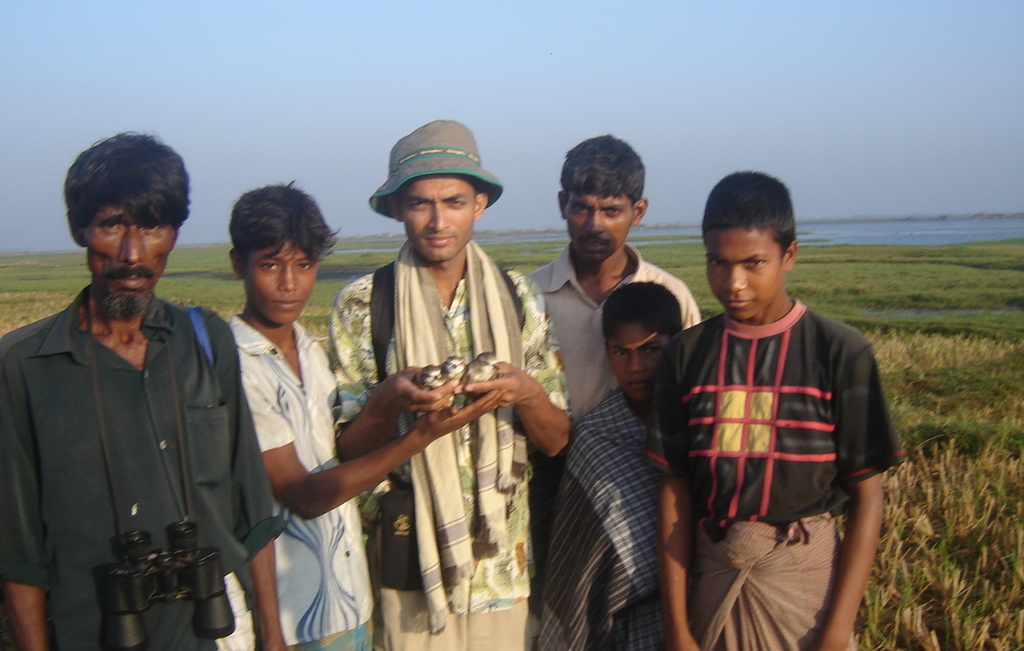
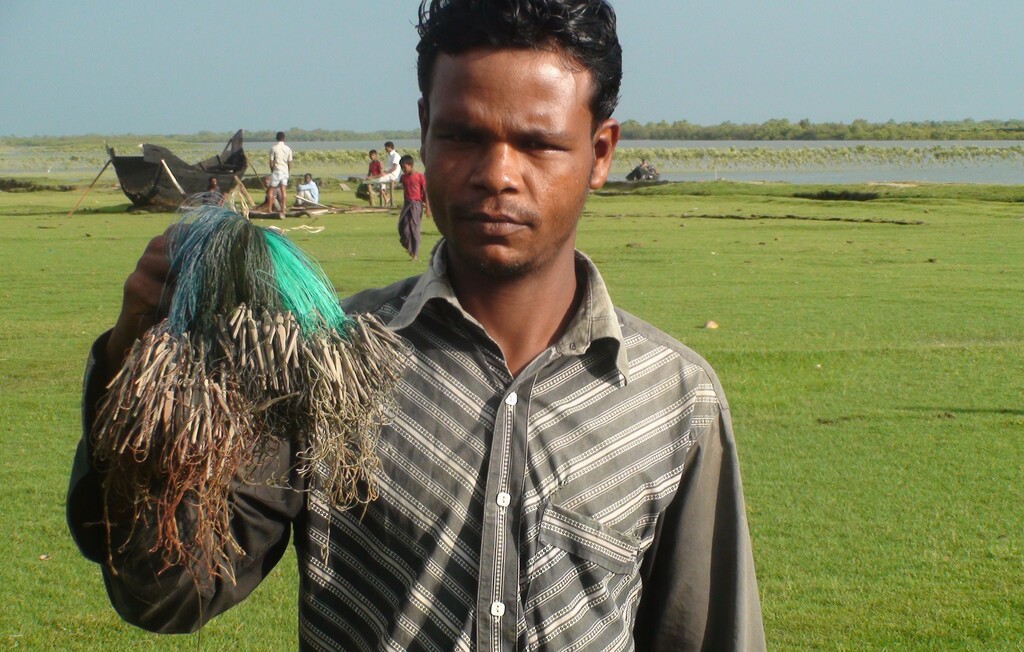
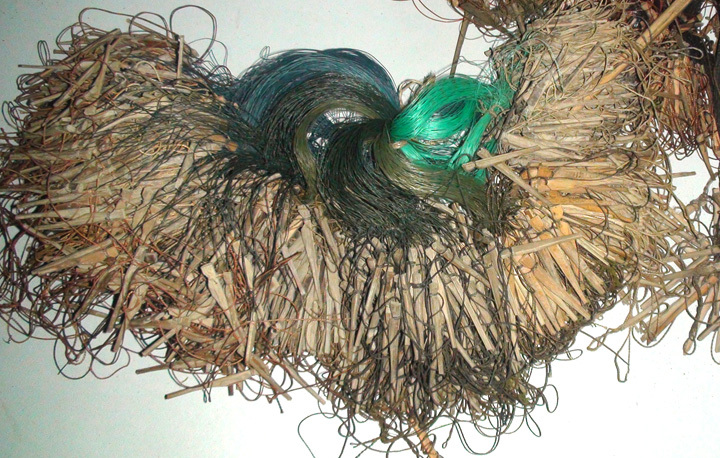
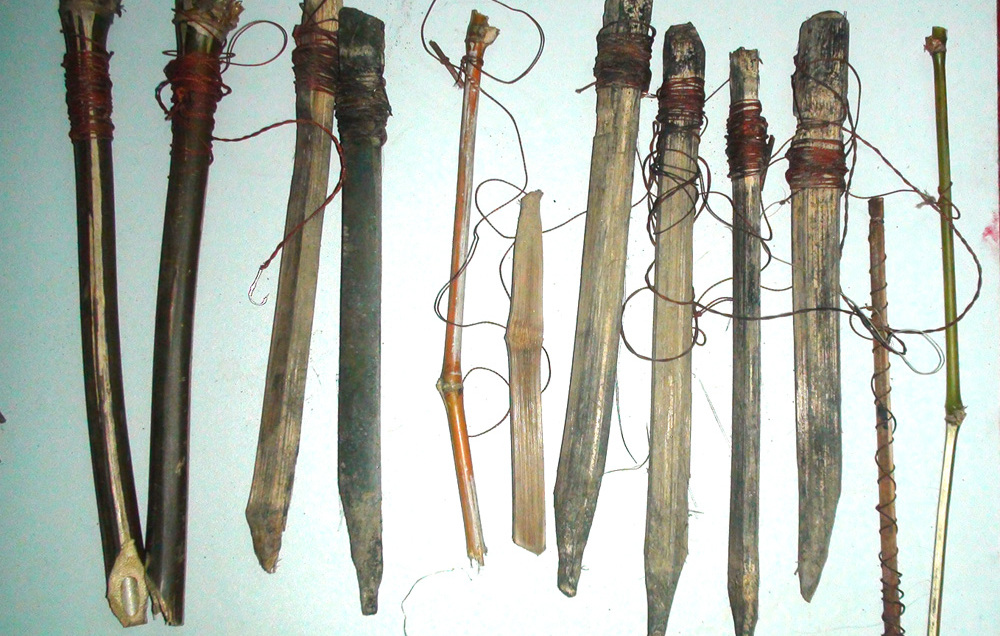
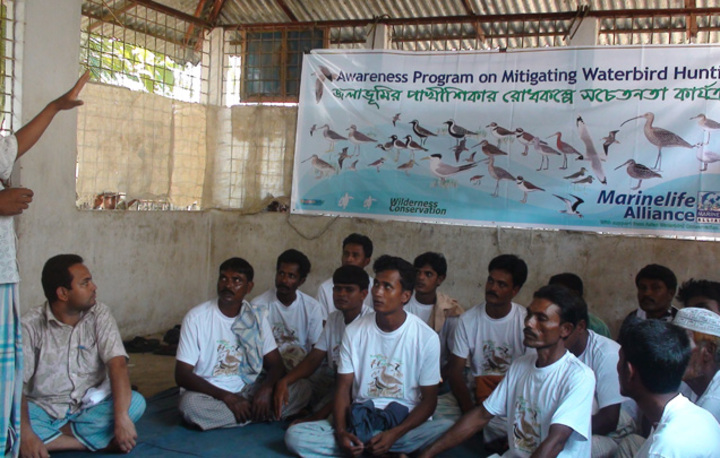
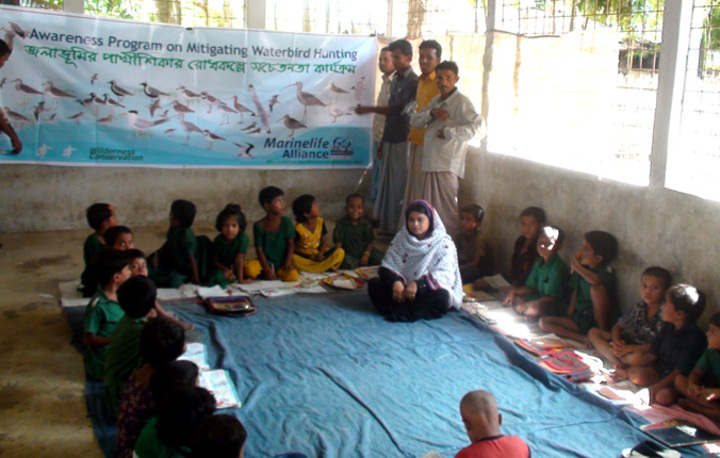
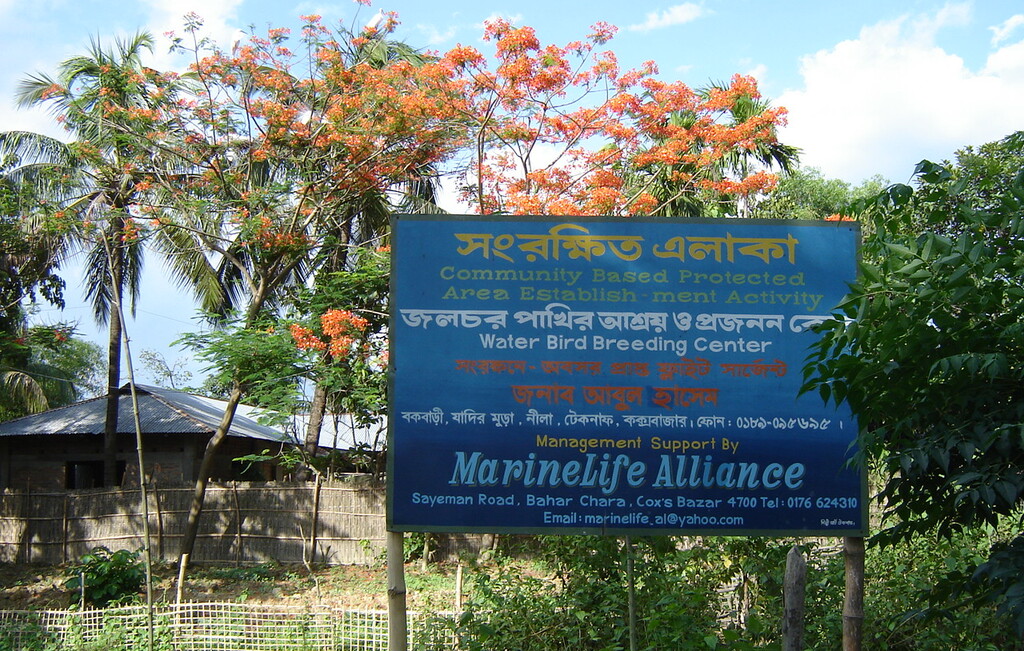
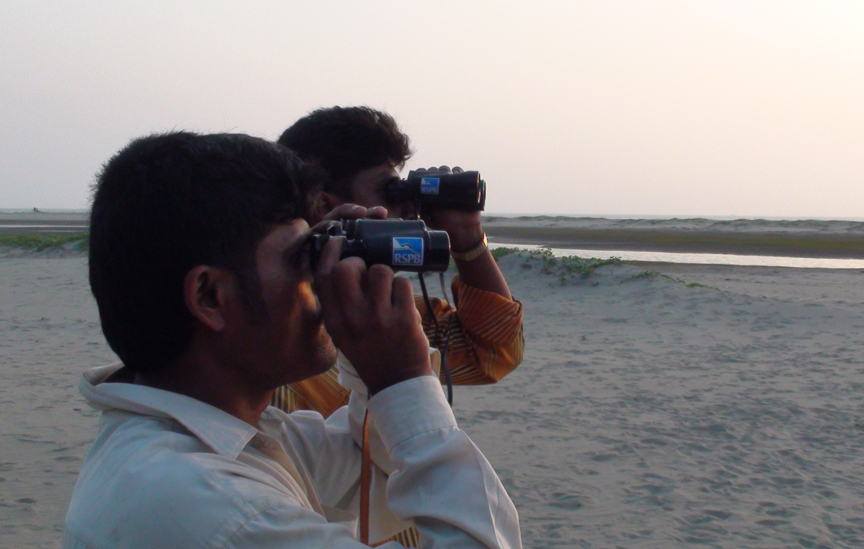
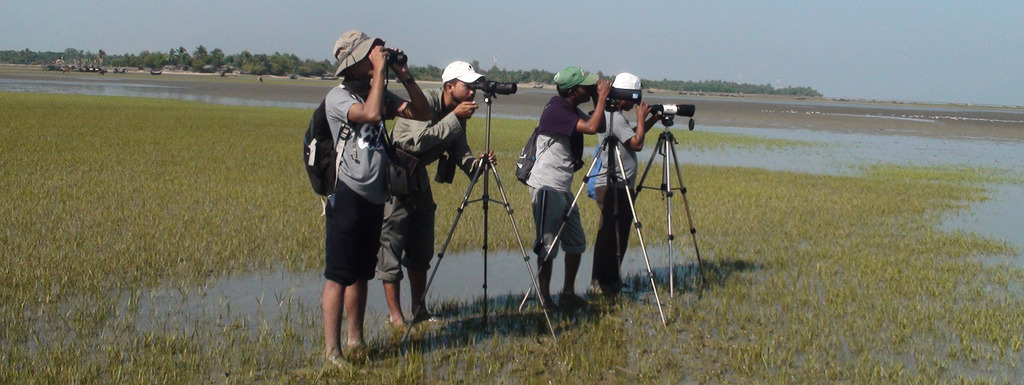
Shorebird Monitoring and Habitat Assessment (2006–2009)
Marine Life Alliance (MLA) has been actively involved in shorebird monitoring along the coastal areas of Bangladesh, with a special focus on understanding species distribution, habitat use, and emerging threats to critical intertidal ecosystems.Between 2006 and 2009, MLA conducted systematic shorebird surveys across key coastal mudflats, sandflats, and estuarine areas. These surveys included regular field observations, species counts, habitat mapping, and seasonal assessments to document migratory and resident shorebird populations. Particular attention was given to globally threatened species, including the Spoon-billed Sandpiper, to identify important feeding and resting locations along the migratory flyway.
During this monitoring period, MLA successfully identified and explored several potential Spoon-billed Sandpiper sites, contributing valuable baseline information to national and regional conservation knowledge. However, our assessments also revealed significant habitat loss. Several previously suitable sites were found to be severely degraded or completely lost due to tidal erosion, coastal dynamics, and shoreline changes. In some locations, mudflats and sandbanks had been entirely eroded, eliminating critical foraging habitats for shorebirds.These findings highlighted the vulnerability of Bangladesh’s coastal shorebird habitats to natural processes compounded by human pressures. MLA’s shorebird monitoring work emphasized the urgent need for long-term habitat protection, adaptive coastal management, and integration of shorebird conservation into coastal planning. By documenting both biodiversity value and habitat loss, MLA aims to support evidence-based conservation actions to safeguard migratory shorebirds and the fragile coastal ecosystems on which they depend.
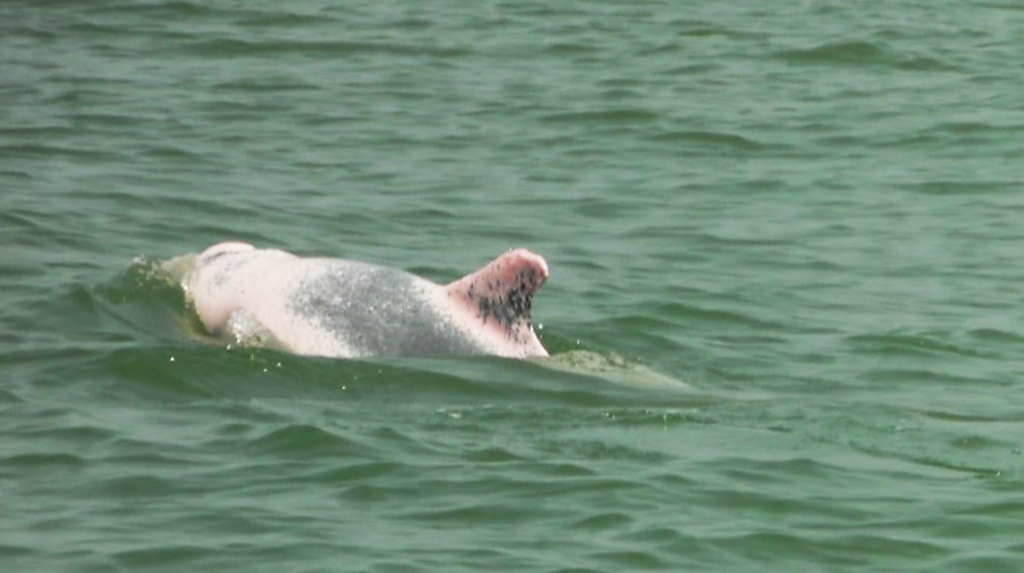
Coastal & Marine Cetacean Conservation
Marine Life Alliance (MLA) is committed to safeguarding the diverse cetacean species that inhabit Bangladesh’s coastal and marine waters, including dolphins, porpoises, and whales. Our work focuses on long-term monitoring, habitat protection, threat reduction, and community engagement to ensure these species can survive and thrive in an increasingly pressured environment.
MLA conducts systematic cetacean surveys across the Bay of Bengal, with a strong emphasis on Cox’s Bazar, Sonadia, St. Martin’s Island, and the Teknaf–Naf River region. Through boat- and land-based observations, acoustic monitoring, and photo-identification, we gather essential scientific data on species distribution, population trends, migration patterns, and breeding behavior. These data help us understand ecological needs and inform conservation planning at both local and national levels.
We work closely with fishing communities to reduce bycatch, net entanglement, vessel strikes, and other human-induced threats. Through awareness programs, training, and partnerships, we promote safer fishing practices and encourage community stewardship of marine mammals. MLA also documents strandings, rescues, and unusual mortality events, enabling rapid response and deeper understanding of emerging threats.
Our habitat conservation efforts focus on protecting critical feeding, breeding, and migratory zones. We advocate for marine protected areas, responsible coastal development, and sustainable resource use. By combining scientific research, field monitoring, policy engagement, and community participation, MLA strives to ensure a future where cetaceans and people coexist in harmony within healthy marine ecosystems.
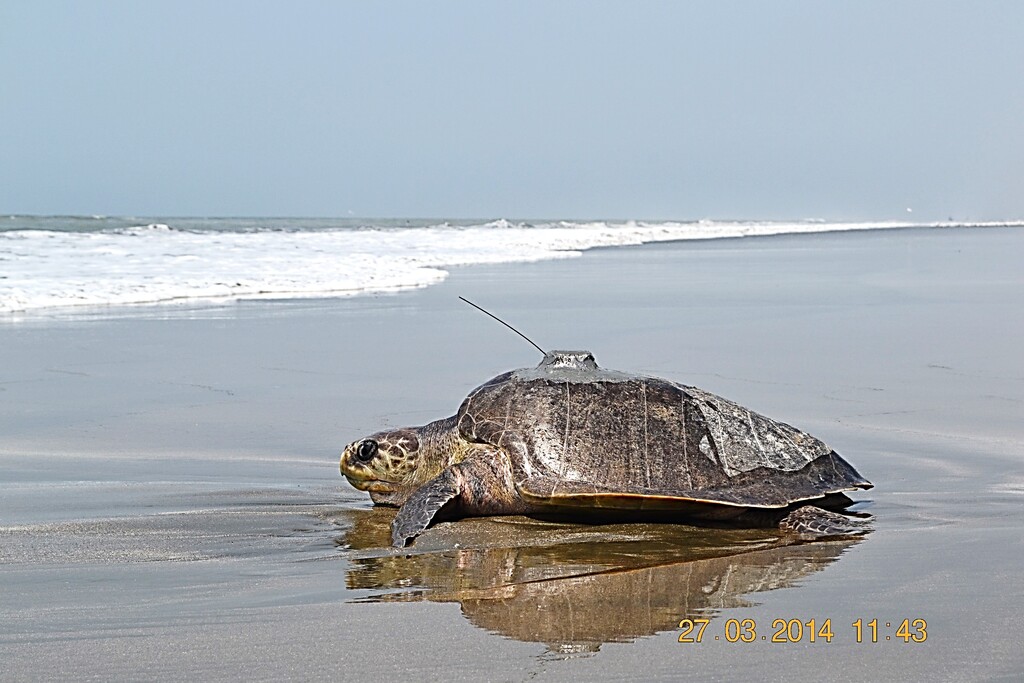
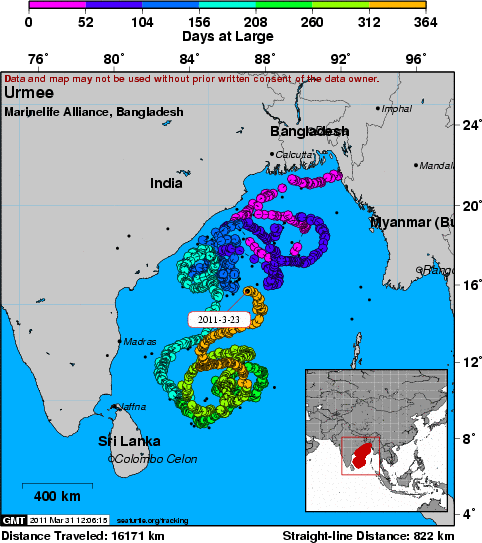
Sea Turtle Satellite Tracking
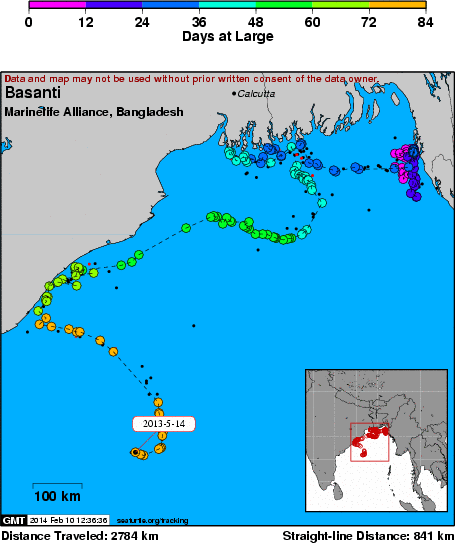
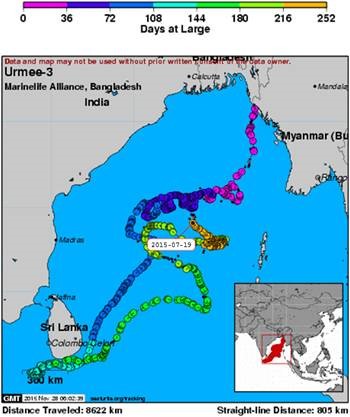
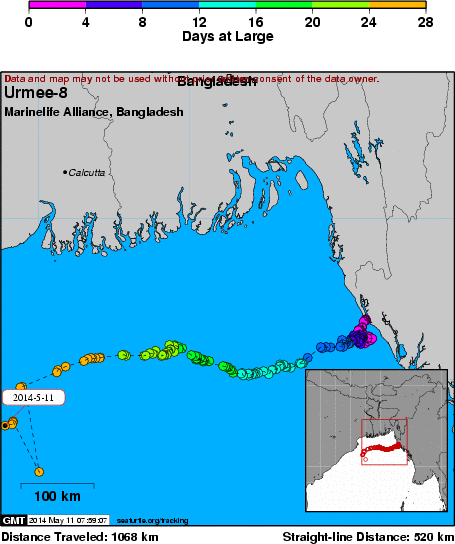
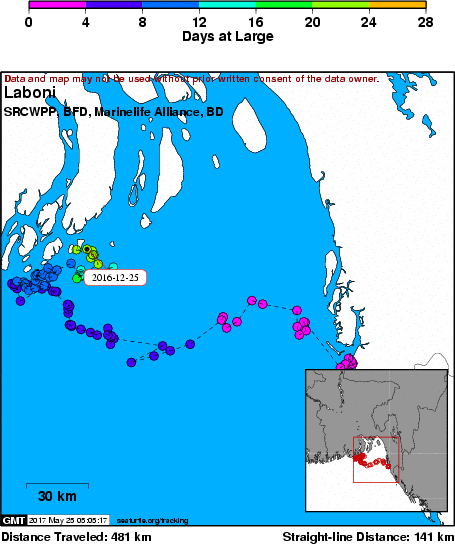
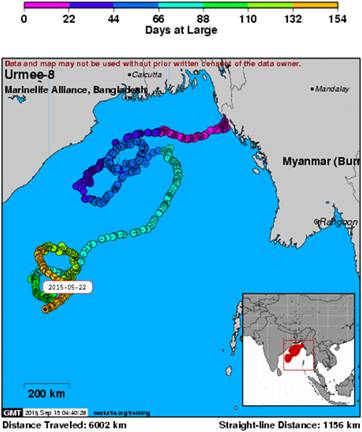
Marine Life Alliance (MLA) uses satellite tracking as a powerful, science-based tool to better understand and protect sea turtles across the Bay of Bengal. Through this innovative program, we attach lightweight, non-invasive satellite transmitters to adult and juvenile turtles—primarily Green and Olive Ridley turtles—to follow their movements in real time. Tracking provides detailed insights into their migration routes, feeding grounds, nesting habits, and the threats they encounter along the way. This information is essential because sea turtles travel thousands of kilometers across national boundaries, and many of the dangers they face—such as fishing bycatch, vessel strikes, pollution, and habitat loss—occur far from nesting beaches. Satellite data helps us identify high-risk zones, critical habitats, and important migratory corridors that urgently need conservation attention. Our team combines tracking data with field monitoring, community engagement, and habitat assessment to create a holistic conservation strategy. The tracking results support national and international collaborations, strengthen coastal management plans, and inform policymakers on the need for protected areas and safer fishing practices. MLA also shares tracking maps with local communities, schools, and the wider public to raise awareness about the incredible journeys of sea turtles. By connecting people with real-time turtle movements, we inspire greater appreciation and encourage responsible behavior both on land and at sea. Through satellite tracking, MLA aims to ensure safer seas, healthier habitats, and a secure future for Bangladesh’s threatened sea turtle populations.
Ensure Sea Turtle Breeding Success
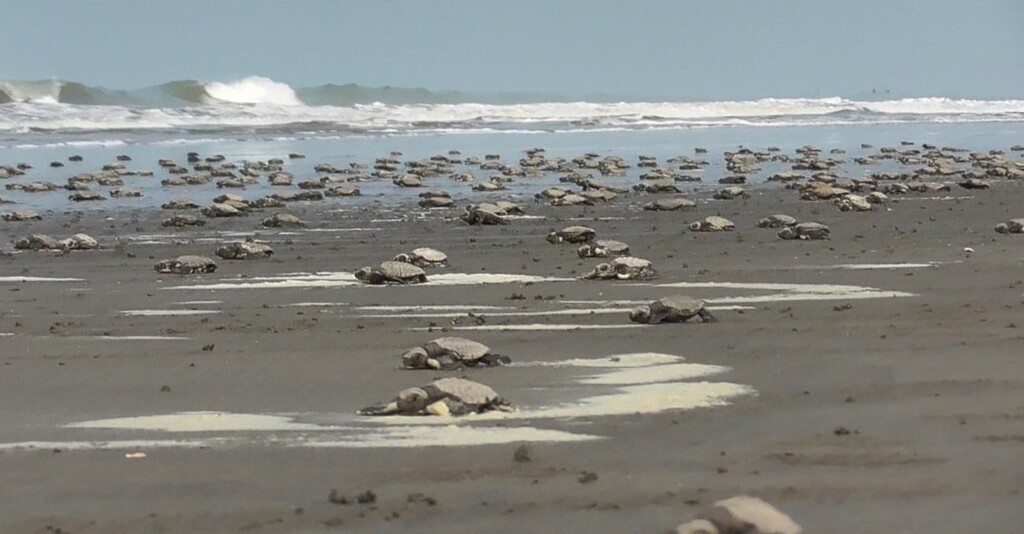
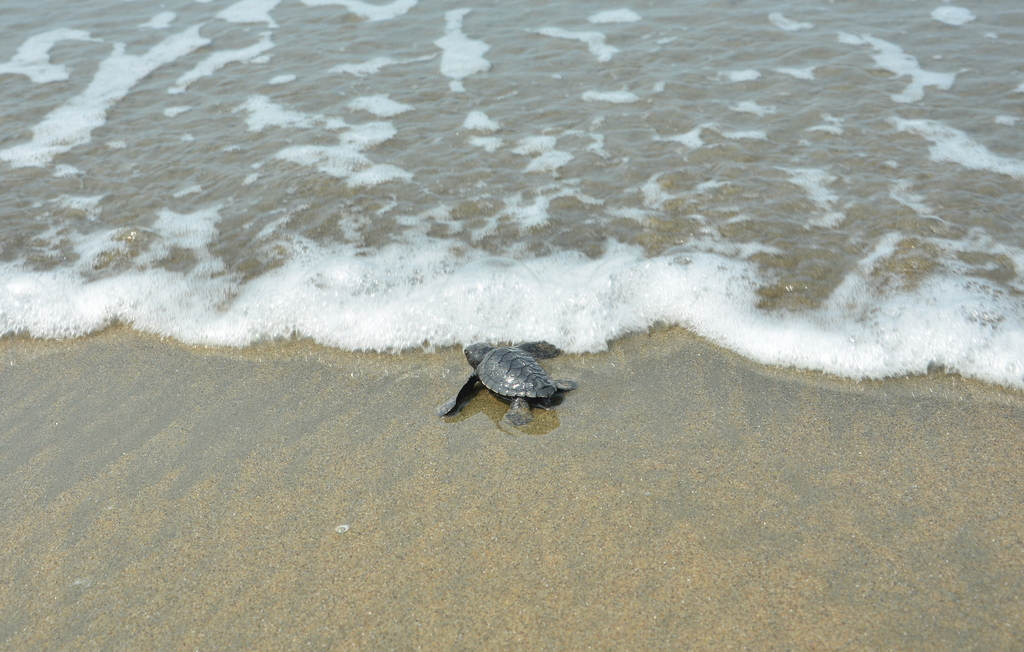
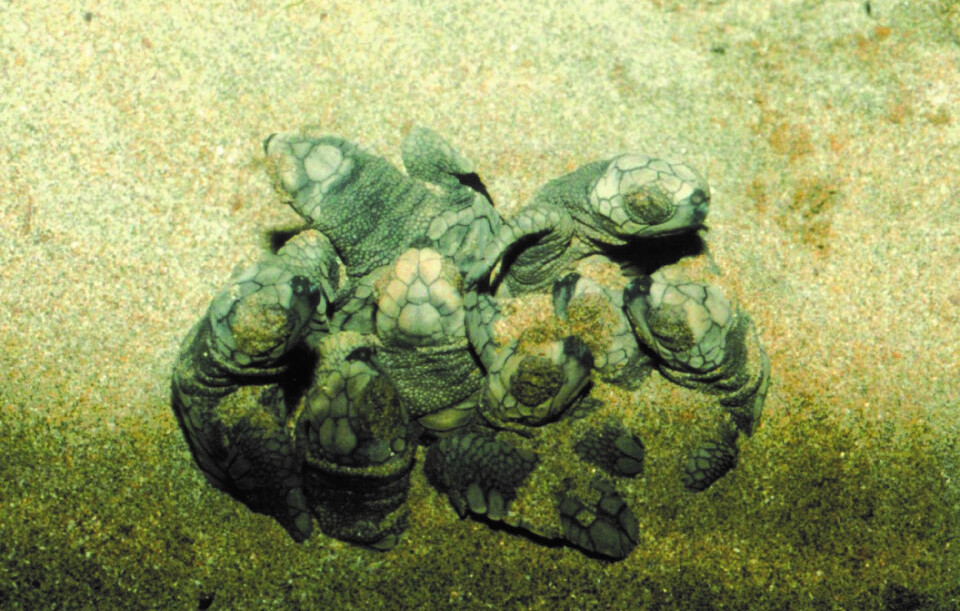
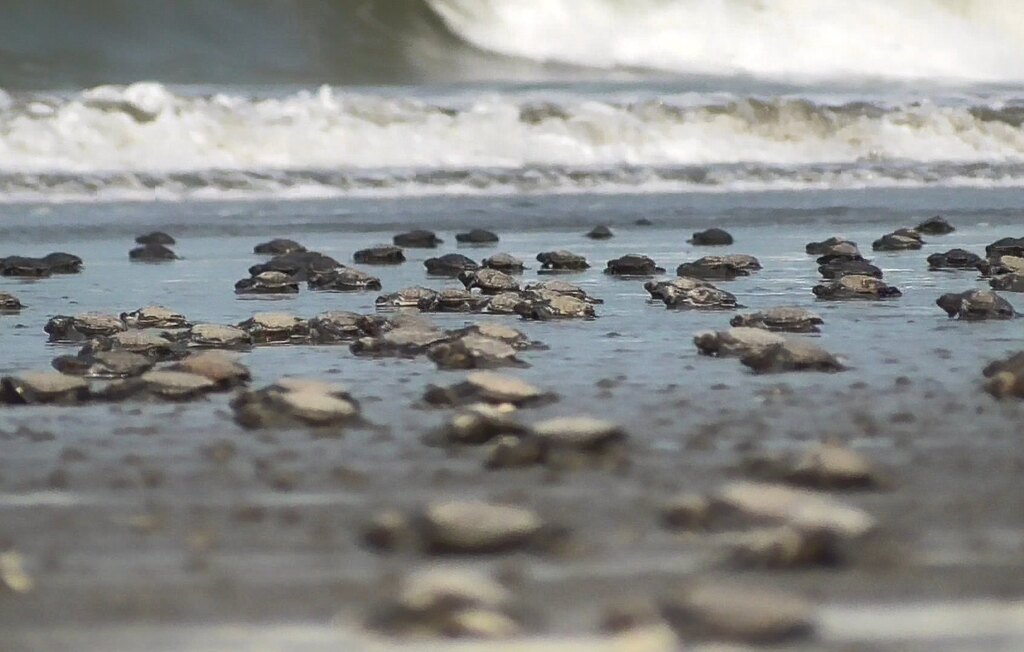
Our sea turtle conservation program is dedicated to ensuring successful breeding and long-term survival of threatened marine turtle species through both in-situ and ex-situ nest protection. Along the beaches of Cox’s Bazar, Sonadia, and St. Martin’s Island, we work closely with local communities to monitor nesting females, safeguard nesting habitats, and protect eggs from predators, poaching, erosion, light pollution, and tidal inundation. Our in-situ conservation focuses on protecting nests exactly where they are laid, reinforcing natural incubation conditions, securing the nesting zone, and minimizing human disturbance. When nests are at risk from flooding, erosion, or heavy human activity, we use ex-situ conservation, carefully relocating eggs to safe hatchery sites where they can be monitored under controlled, natural conditions until they hatch. This dual approach has dramatically increased hatchling survival rates, contributing directly to the recovery of local turtle populations. Through continuous field monitoring, scientific data collection, community engagement, and habitat protection, our team ensures that every viable nest is given the best possible chance to succeed. As a result of these sustained efforts, we have successfully released more than 1.3 million hatchlings into the Bay of Bengal up to 2024–25, marking one of the most significant sea turtle conservation achievements in the region. Our long-term commitment aims to secure healthy nesting populations, restore degraded habitats, and inspire coastal communities to become active guardians of marine life for generations to come.
Beach Clean up & Plastic Removal
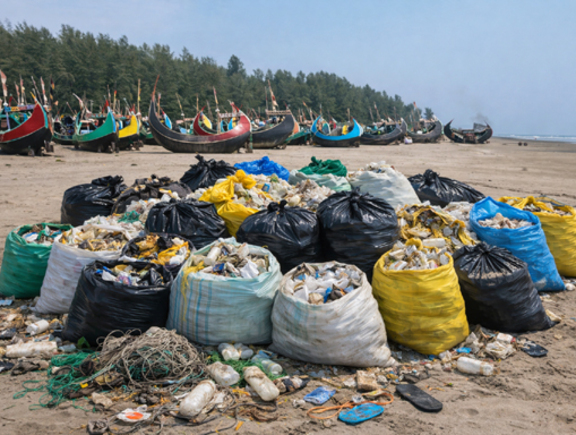
Marinelife Alliance is actively engaged in beach cleanup, ghost net removal, and underwater marine debris cleanup initiatives along the coastal and marine ecosystems of Sonadia Island, Cox’s Bazar, Teknaf, and St. Martin’s Island. These areas are among Bangladesh’s most important habitats for sea turtles, coral communities, marine mammals, sharks, rays, and numerous fish species. However, increasing marine pollution, plastic waste, abandoned fishing gear, and discarded ghost nets pose serious threats to marine biodiversity and coastal livelihoods.
Through regular beach cleanup campaigns, community volunteers, local fishers, youth groups, and conservation staff work together to remove plastic bottles, packaging materials, fishing gear, and other waste from nesting beaches and coastal habitats. These activities help maintain cleaner beaches for sea turtle nesting, improve coastal aesthetics, and reduce the risk of wildlife entanglement and ingestion of plastic debris.
Ghost nets—abandoned, lost, or discarded fishing nets—are one of the most harmful forms of marine pollution in the Bay of Bengal. Marinelife Alliance collaborates with local fishing communities to locate, recover, and properly dispose of ghost nets found in coastal waters and offshore fishing grounds. Removing these nets helps prevent the unnecessary death of sea turtles, dolphins, sharks, rays, and commercially important fish species that can become trapped long after the nets have been abandoned.
In addition, underwater cleanup operations are conducted by trained divers and conservation teams around coral-rich and ecologically sensitive areas, particularly at St. Martin’s Island. These efforts focus on removing submerged fishing nets, ropes, plastics, and other debris that damage coral habitats and threaten marine life. Collected waste is sorted and transported to appropriate recycling or disposal facilities whenever possible.
By combining community participation, awareness raising, and direct conservation action, these initiatives contribute to healthier marine ecosystems, enhanced biodiversity conservation, and greater resilience of Bangladesh’s coastal and marine environments for future generations.
Coastal Protection/Screwpine Plantation
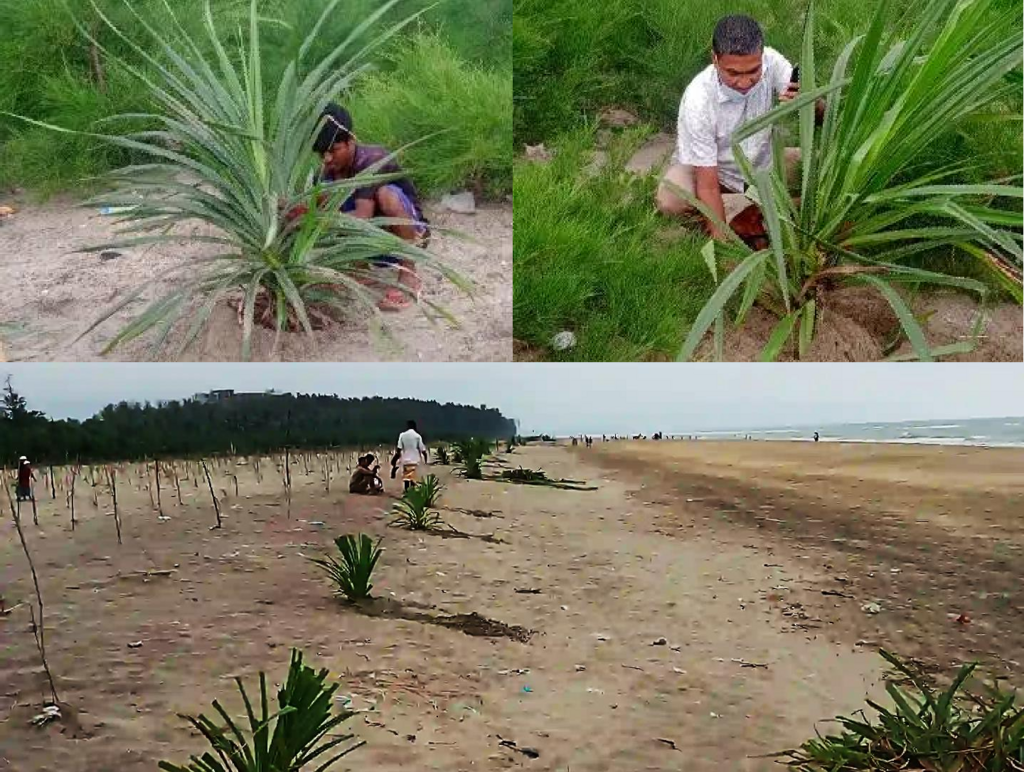
Along the fragile coastlines of Cox’s Bazar, Sonadia, and St. Martin’s Island, our organization has been actively engaged in screwpine (Pandanus odoratissimus) plantation to safeguard the shore from erosion, tidal surges, and storm impacts. Screwpine is a vital nature-based solution due to its strong, fibrous root system that binds sandy soils, stabilizes dunes, and reduces the impact of waves and wind on the coastline. Over the years, we have planted and maintained extensive screwpine belts in strategic areas, particularly around vulnerable nesting beaches, human settlements, and natural habitats, providing both physical protection and ecological benefits. These plantations not only reduce shoreline retreat but also support local biodiversity, offering shelter to small wildlife and nesting opportunities for birds, while simultaneously sustaining traditional livelihoods as the leaves are used for mats, baskets, and handicrafts. Our work involves careful site selection, soil stabilization techniques, regular maintenance, and community participation, ensuring that the plantations thrive and provide long-term protection. By engaging local communities, volunteers, and youth groups, we have fostered awareness about the importance of coastal vegetation, encouraging people to take ownership of protecting their shores. In addition to direct planting efforts, we monitor the health and growth of screwpine belts and integrate them with other nature-based solutions for dune and mangrove restoration, maximizing resilience against climate impacts. Through these continuous efforts, we aim to strengthen coastal ecosystems, protect human lives and property.
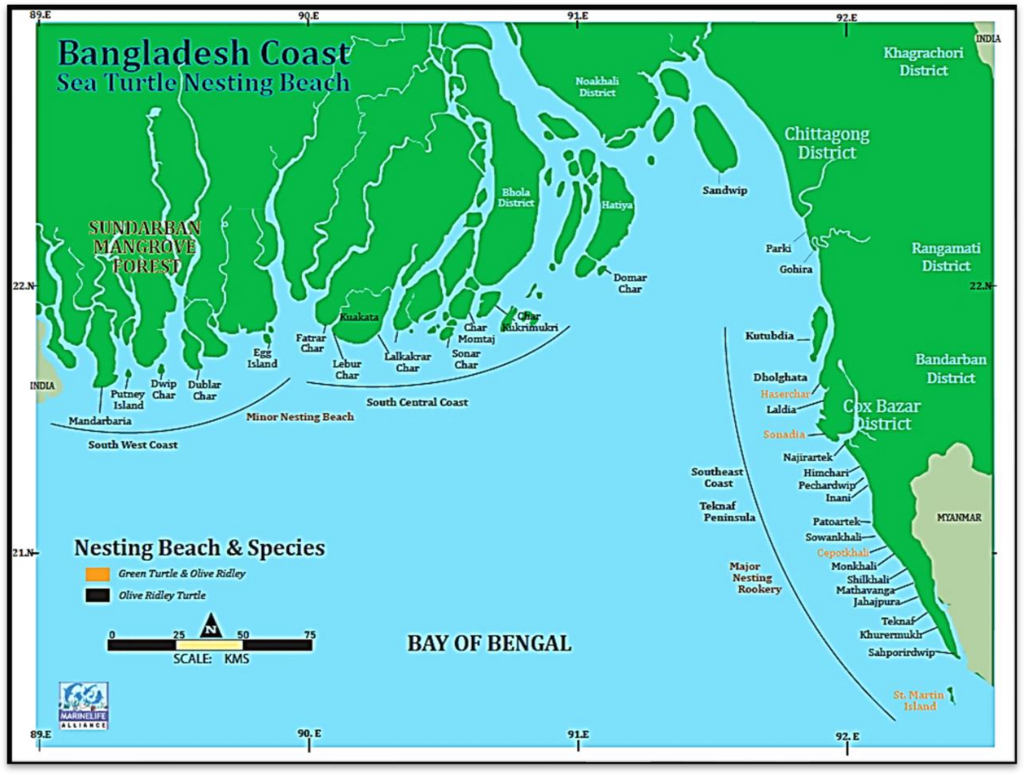
Sea Turtle Nesting Inventory Along Coast
Our Offshore Bycatch Training and Awareness Program works directly with trawl fisheries to reduce accidental capture of endangered marine species and promote more responsible fishing practices in the Bay of Bengal. Through regular offshore visits, onboard training sessions, and port-based engagement, we collaborate with vessel owners, captains, and crew members to improve their understanding of bycatch risks affecting sea turtles, cetaceans, whale sharks, and other vulnerable species. The program focuses on practical, field-based training such as safe handling and release techniques, proper use of bycatch mitigation tools, gear modifications, and strategies that minimize entanglement and mortality. We also conduct awareness sessions on national wildlife laws, marine conservation ethics, and the ecological importance of protected species, ensuring that fishers are informed and empowered partners in conservation. By distributing educational materials, demonstrating live rescue techniques, and encouraging voluntary reporting of bycatch incidents, we foster trust-based collaboration between the fishing community and conservation teams. Our long-term aim is to build a more responsible and sustainable trawl fishery sector where reduced bycatch contributes to healthier marine ecosystems and more stable livelihoods. This program not only strengthens compliance with conservation requirements but also helps fishers adopt low-impact practices that benefit both biodiversity and the fishing industry, ensuring that offshore fisheries can operate successfully while protecting the ocean’s most threatened wildlife.
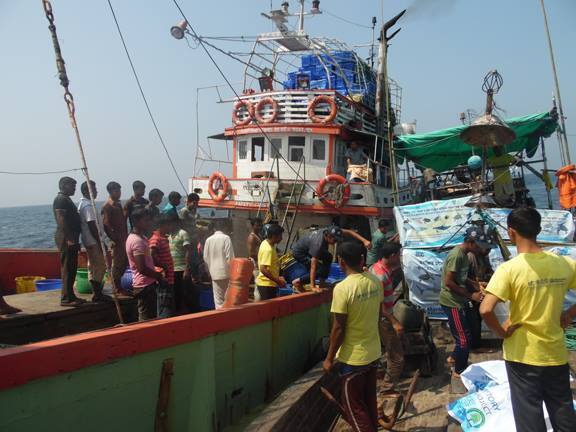
Bycatch Reduction Awareness at Sea
Our Offshore Bycatch Training and Awareness Program works directly with trawl fisheries to reduce accidental capture of endangered marine species and promote more responsible fishing practices in the Bay of Bengal. Through regular offshore visits, onboard training sessions, and port-based engagement, we collaborate with vessel owners, captains, and crew members to improve their understanding of bycatch risks affecting sea turtles, cetaceans, whale sharks, and other vulnerable species. The program focuses on practical, field-based training such as safe handling and release techniques, proper use of bycatch mitigation tools, gear modifications, and strategies that minimize entanglement and mortality. We also conduct awareness sessions on national wildlife laws, marine conservation ethics, and the ecological importance of protected species, ensuring that fishers are informed and empowered partners in conservation. By distributing educational materials, demonstrating live rescue techniques, and encouraging voluntary reporting of bycatch incidents, we foster trust-based collaboration between the fishing community and conservation teams. Our long-term aim is to build a more responsible and sustainable trawl fishery sector where reduced bycatch contributes to healthier marine ecosystems and more stable livelihoods. This program not only strengthens compliance with conservation requirements but also helps fishers adopt low-impact practices that benefit both biodiversity and the fishing industry, ensuring that offshore fisheries can operate successfully while protecting the ocean’s most threatened wildlife.
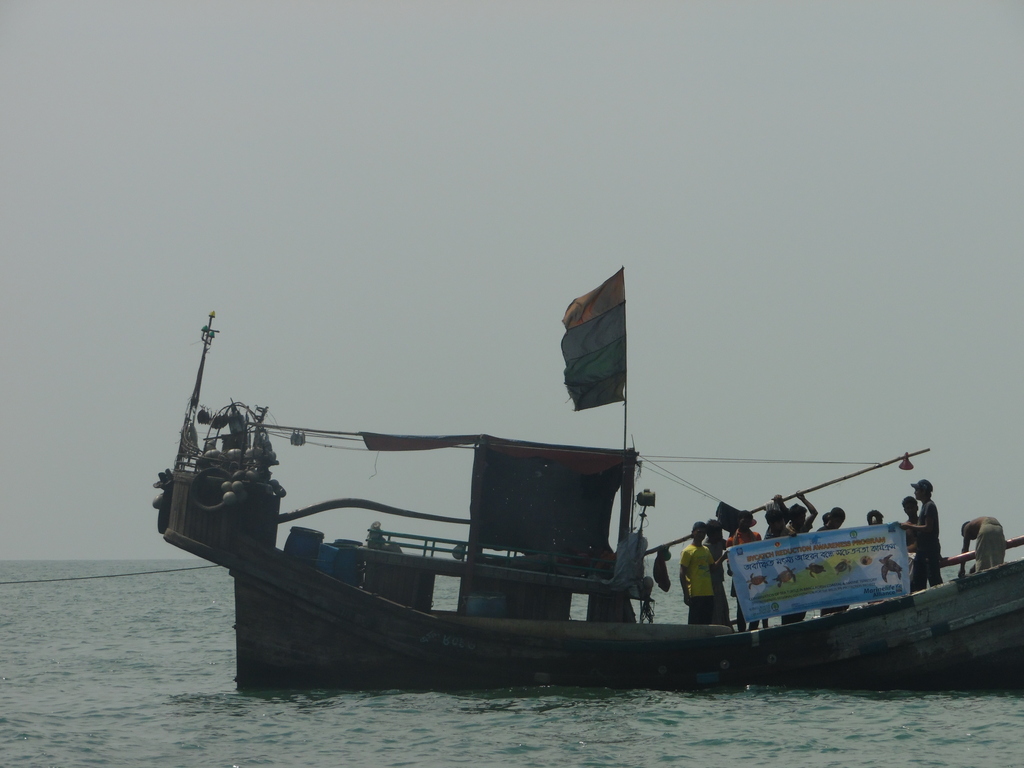
Offshore Bycatch Training & Awareness Program
Our Offshore Bycatch Training and Awareness Program works closely with artisanal fishers to reduce accidental capture of threatened marine species while improving sustainable fishing practices across coastal and offshore waters. Through hands-on capacity building, we train fishers on species identification, safe release techniques, gear modification, and responsible handling procedures for sea turtles, cetaceans, whale sharks, and other vulnerable marine life frequently caught as bycatch. The program also raises awareness about the ecological importance of these species, the legal frameworks protecting them, and the long-term benefits of responsible fisheries for both nature and communities. By conducting onboard demonstrations, collaborative offshore surveys, and regular interactions at landing sites, we help fishers adopt practical, low-cost solutions that reduce entanglement and mortality. We also promote community dialogue, fisher-to-fisher knowledge sharing, and the use of simple reporting tools to improve data collection and early response for stranded or injured animals. Our initiative fosters trust and partnership with fishing communities, emphasizing that conservation and livelihoods must work together. Ultimately, the program aims to build a safer marine environment, support the sustainability of artisanal fisheries, and strengthen local stewardship for the protection of Bangladesh’s offshore biodiversity.
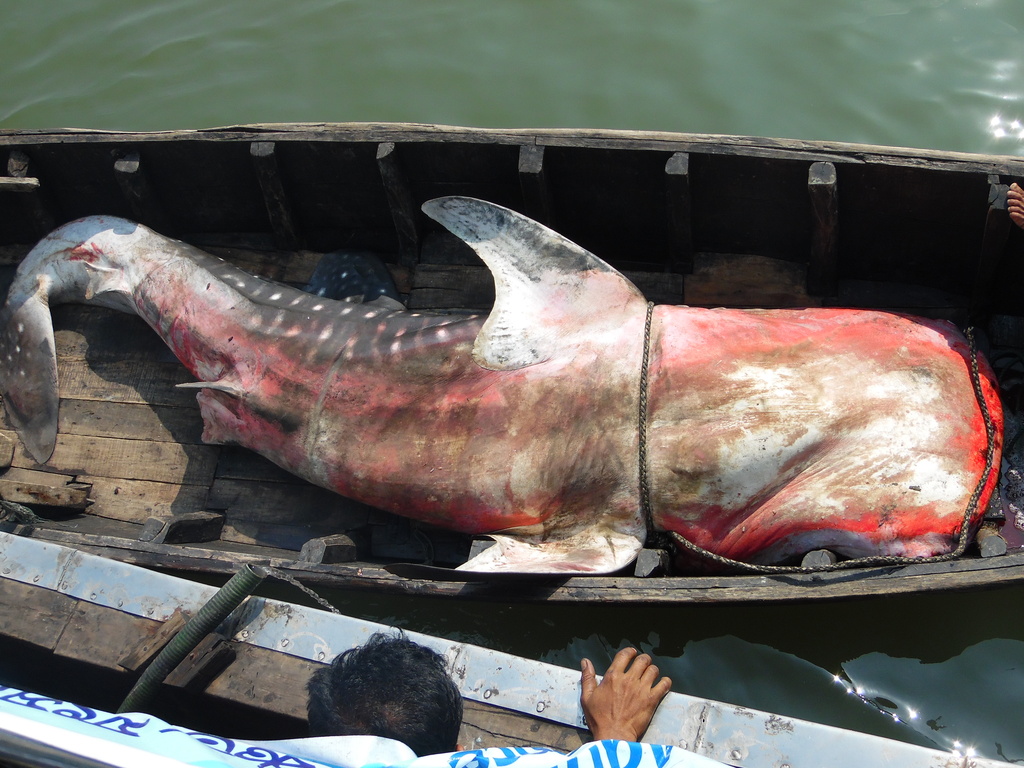
Whale Shark Monitoring & Conservation
Our efforts to protect the endangered Whale Shark focus on continuous monitoring, rapid response, and community-centered conservation in the Bay of Bengal. Through dedicated field surveys, fishermen engagement, and data collection from landing sites and coastal waters, we document live sightings, accidental bycatch cases, and ecological patterns of this gentle giant. Our team works closely with local fishing communities to report live records immediately, enabling us to gather critical information on size, behavior, migration routes, and seasonal presence while promoting safe release practices whenever individuals are caught accidentally. We also maintain a structured database of Whale Shark encounters, combining photographs, GIS mapping, and scientific observations to support national and international research networks. By raising awareness of the species’ vulnerability and offering practical guidance to fishers on how to minimize bycatch risks, we contribute to reducing threats and improving survival rates. We collaborate with government agencies, researchers, and global conservation platforms to share verified data, strengthen protective measures, and highlight Bangladesh’s role as a key habitat for this remarkable species. Through long-term monitoring and community partnerships, our goal is to enhance understanding, promote coexistence, and ensure that Whale Sharks continue to thrive in our waters for generations to come.
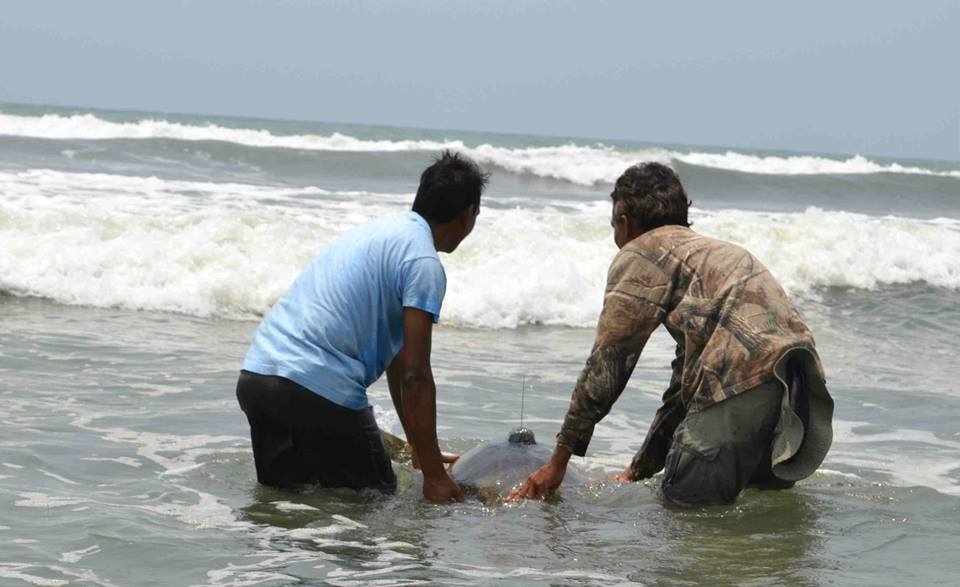
Stranding, Bycatch Monitoring & Marine Megafauna Rescue
Our work focuses on safeguarding marine megafauna through continuous stranding response, bycatch monitoring, and emergency rescue–release efforts across key coastal areas. We systematically document sea turtle, cetacean, and whale shark strandings to understand the causes, identify threats, and support conservation planning. By collaborating with fishers and coastal communities, we monitor bycatch incidents, collect vital data, and promote safe-release practices that help reduce accidental harm to endangered species. Our trained field teams respond to live and dead strandings, providing immediate assistance, stabilizing animals when possible, and coordinating rescue and release operations in partnership with local authorities. Through community engagement, awareness campaigns, and hands-on training, we empower fishers with knowledge on how to avoid entanglement, handle trapped animals safely, and report incidents promptly. These efforts not only save individual animals but also strengthen long-term protection for threatened populations. By combining science-based data collection, rapid response mechanisms, and strong community collaboration, we work to reduce human–wildlife conflict and enhance survival outcomes for marine megafauna along Bangladesh’s coast.
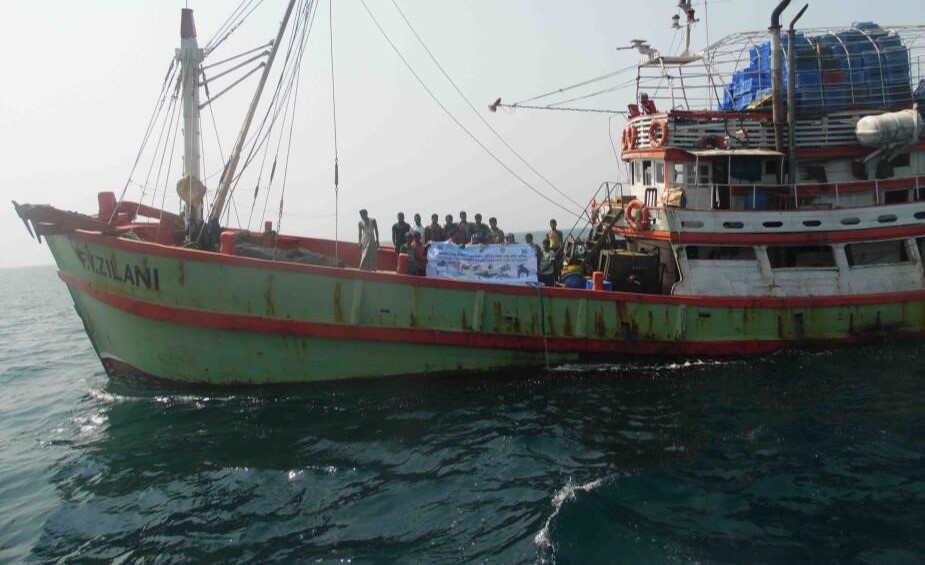
Stranding, Bycatch Monitoring & Marine Megafauna Rescue
Our work focuses on safeguarding marine megafauna through continuous stranding response, bycatch monitoring, and emergency rescue–release efforts across key coastal areas. We systematically document sea turtle, cetacean, and whale shark strandings to understand the causes, identify threats, and support conservation planning. By collaborating with fishers and coastal communities, we monitor bycatch incidents, collect vital data, and promote safe-release practices that help reduce accidental harm to endangered species. Our trained field teams respond to live and dead strandings, providing immediate assistance, stabilizing animals when possible, and coordinating rescue and release operations in partnership with local authorities. Through community engagement, awareness campaigns, and hands-on training, we empower fishers with knowledge on how to avoid entanglement, handle trapped animals safely, and report incidents promptly. These efforts not only save individual animals but also strengthen long-term protection for threatened populations. By combining science-based data collection, rapid response mechanisms, and strong community collaboration, we work to reduce human–wildlife conflict and enhance survival outcomes for marine megafauna along Bangladesh’s coast.
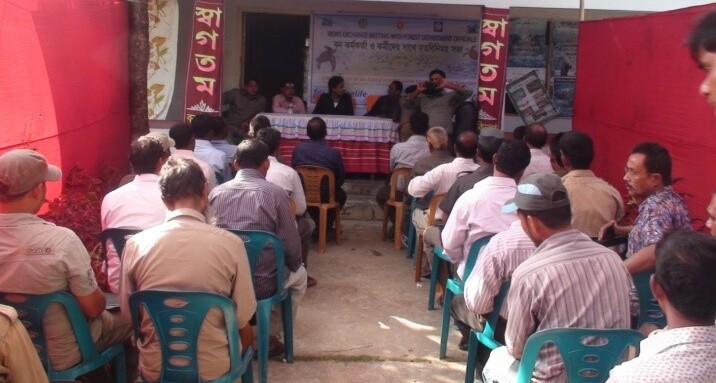
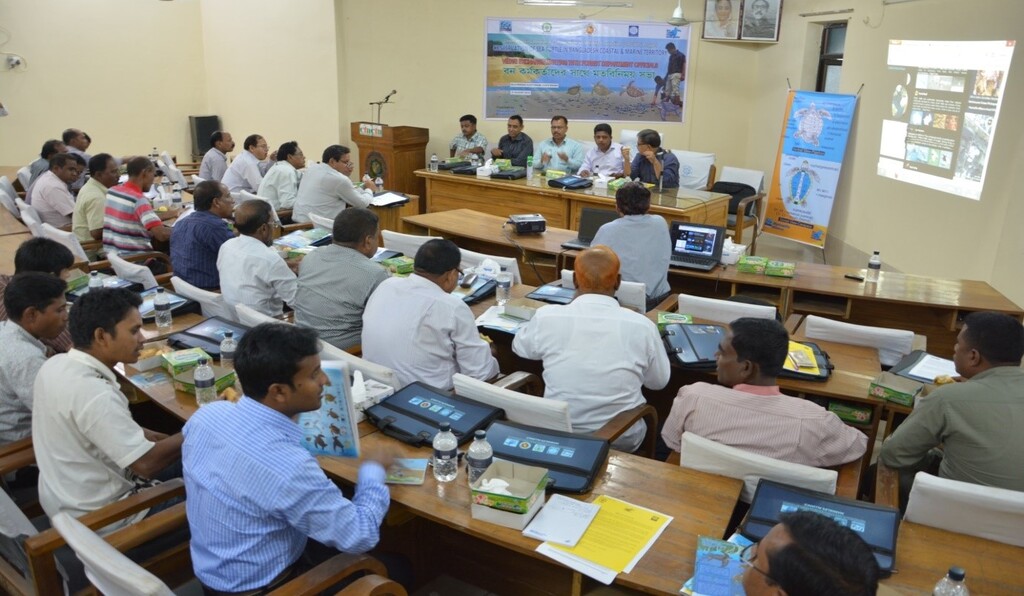
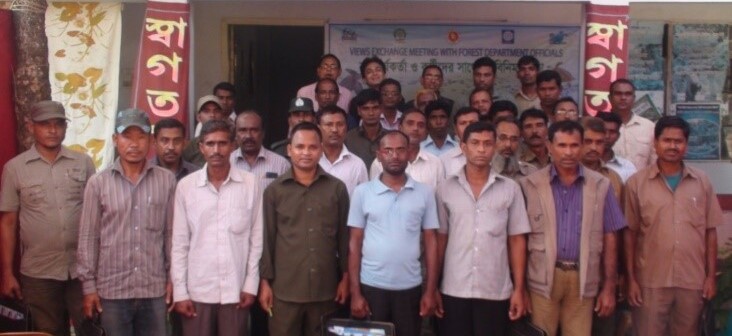
Orientation and Discussion Program with Forest Officials
Forest officials’ orientation programs on sea turtle conservation, bycatch mitigation, and broader wildlife protection have been regularly conducted in the Cox’s Bazar and Maheshkhali areas to strengthen frontline capacity and inter-agency coordination. These programs are designed to enhance the knowledge and practical skills of forest officials working in coastal and marine environments where interactions between wildlife, fisheries, and human activities are frequent. Special emphasis is given to the conservation of sea turtles, particularly during nesting and hatching seasons, covering topics such as nesting beach monitoring, nest protection techniques, risk-based nest relocation, and the management of human-induced disturbances.
The orientation sessions also address the growing threat of fisheries bycatch, highlighting its impacts on sea turtles, rays, dolphins, and other marine wildlife. Officials are introduced to common fishing gears used in nearshore and offshore waters, bycatch hotspots, safe handling and release protocols, and the importance of engaging fishing communities in bycatch reduction practices. Practical discussions focus on community-based approaches, awareness building among fishers, and the promotion of responsible fishing behaviors to minimize unintended wildlife mortality.
In addition to marine species, the programs incorporate broader wildlife protection themes relevant to the Cox’s Bazar–Maheshkhali landscape, including coastal forest conservation, mangrove protection, and the prevention of illegal wildlife exploitation. The orientations encourage coordinated field monitoring, timely reporting of wildlife incidents, and collaboration with local communities, NGOs, and law enforcement agencies. Overall, these programs aim to empower forest officials with the technical understanding, ethical framework, and community engagement skills necessary to effectively safeguard marine and coastal biodiversity while supporting sustainable livelihoods in this ecologically sensitive region.
Major discussion on:
- Overview of coastal and marine biodiversity in Cox’s Bazar–Maheshkhali region
- Sea turtle species found in the area and their conservation status
- Nesting beach monitoring techniques and seasonal management priorities
- Nest protection measures and criteria for risk-based nest relocation
- Major threats to sea turtles, including coastal development, tourism pressure, and light pollution
- Fisheries bycatch: causes, impacts on sea turtles and other marine wildlife
- Safe handling, rescue, and release protocols for bycaught turtles and rays
- Engagement strategies with artisanal and offshore fishing communities
- Legal framework, roles, and responsibilities of forest officials in wildlife protection
- Inter-agency coordination, incident reporting, and collaboration with NGOs and local communities.
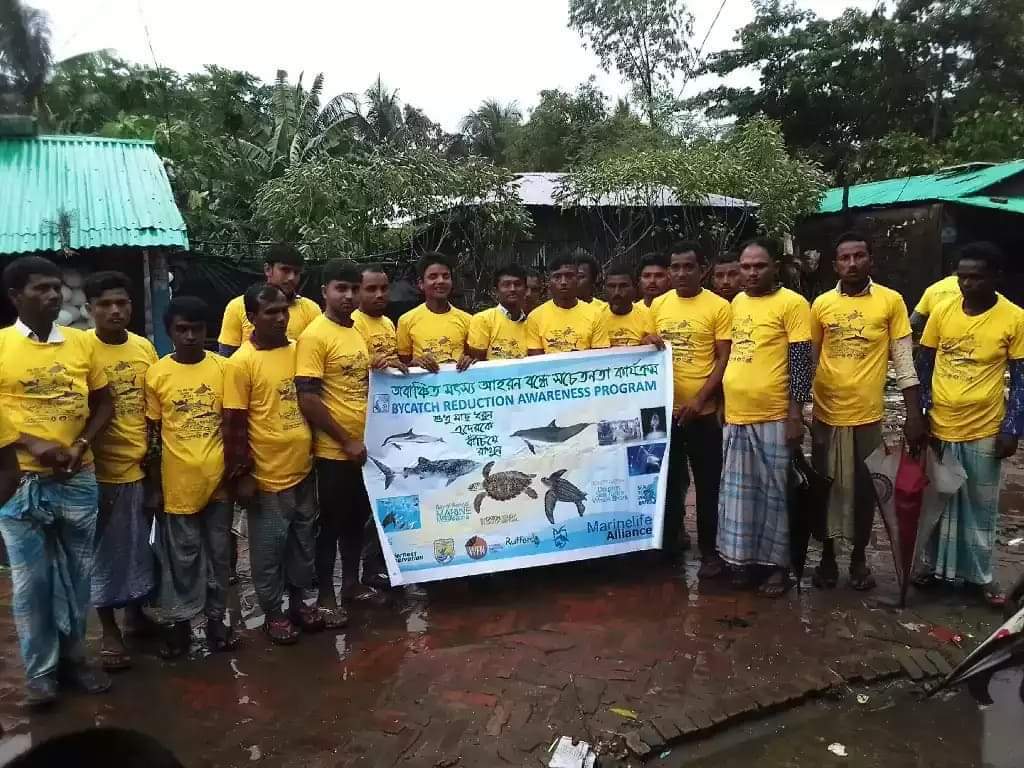
Bycatch Reduction Training for Offshore Lead Fishermen
Our bycatch reduction training program focuses on equipping offshore lead fishermen with the knowledge, skills, and practical tools needed to minimize accidental capture of marine megafauna, including sea turtles, dolphins, whales, and whale sharks. Through targeted, field-based training sessions, we work directly with fishing communities to raise awareness about the impact of bycatch on threatened species and the long-term sustainability of fisheries. Fishermen learn how to identify key species, safely release entangled animals, use more wildlife-friendly gear, and adopt responsible fishing practices that reduce harm while maintaining productivity. Our approach combines scientific guidance with local experience, ensuring that solutions are practical, culturally appropriate, and easily applied at sea. We also provide demonstrations on modified gear, such as circle hooks and turtle excluder devices, and promote techniques that help avoid high-risk areas and seasons. By partnering with boat owners, crew leaders, and fisheries groups, we foster a cooperative environment where conservation and livelihoods go hand in hand. These efforts not only help safeguard vulnerable marine species but also support the long-term health of fish stocks and the well-being of coastal communities. Through continued collaboration, continuous improvement, and trust-building with offshore fishermen, our program aims to create lasting behavioral change that contributes to a safer and more sustainable marine environment.
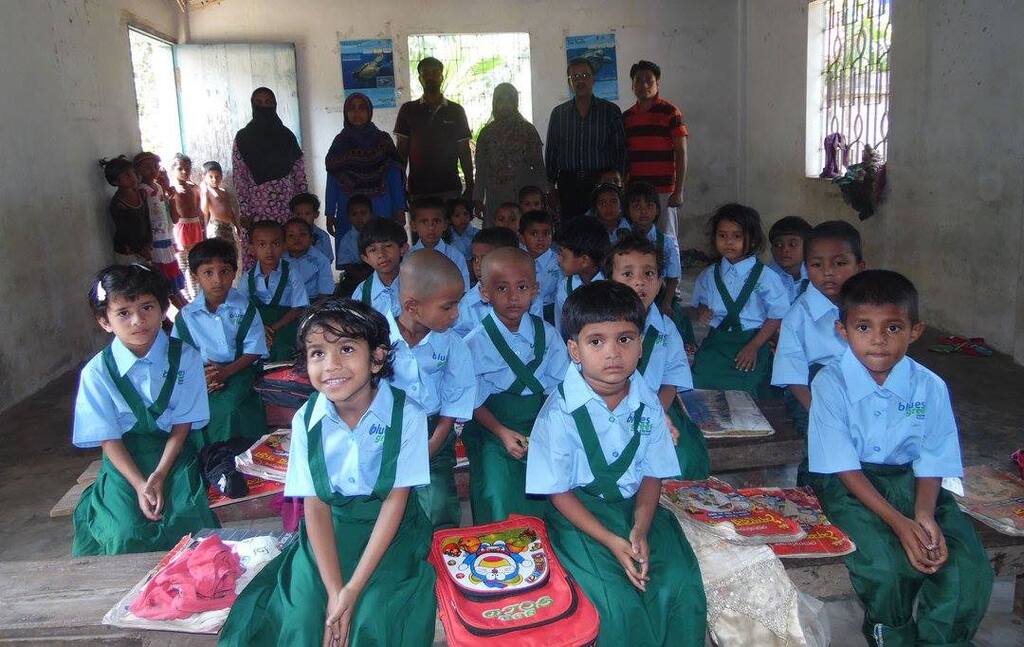
Basic Education to Vulnerable Communities
From 2012 to 2017, we dedicated our efforts to establishing and operating a primary school for children in fishing communities who had been long neglected and deprived of basic educational opportunities. These communities faced multiple challenges, including economic hardship, limited access to formal schooling, and a lack of infrastructure to support learning. Our initiative provided a safe and supportive environment where children could receive foundational education in reading, writing, and mathematics, as well as essential life skills. By focusing on early childhood and primary education, we aimed to break the cycle of educational neglect and create pathways for children to pursue further learning. The program also emphasized social inclusion, encouraging both boys and girls to attend school regularly, while engaging parents and community members to value education and support their children’s learning journey. Over the years, the school became a hub for learning and empowerment, fostering curiosity, critical thinking, and confidence among students. Beyond academics, we incorporated extracurricular activities, health awareness, and environmental education, helping children develop a well-rounded understanding of the world around them. Through this sustained intervention, we were able to reach a generation of children who otherwise would have remained marginalized, giving them the tools, knowledge, and hope to build a brighter future for themselves and their communities.
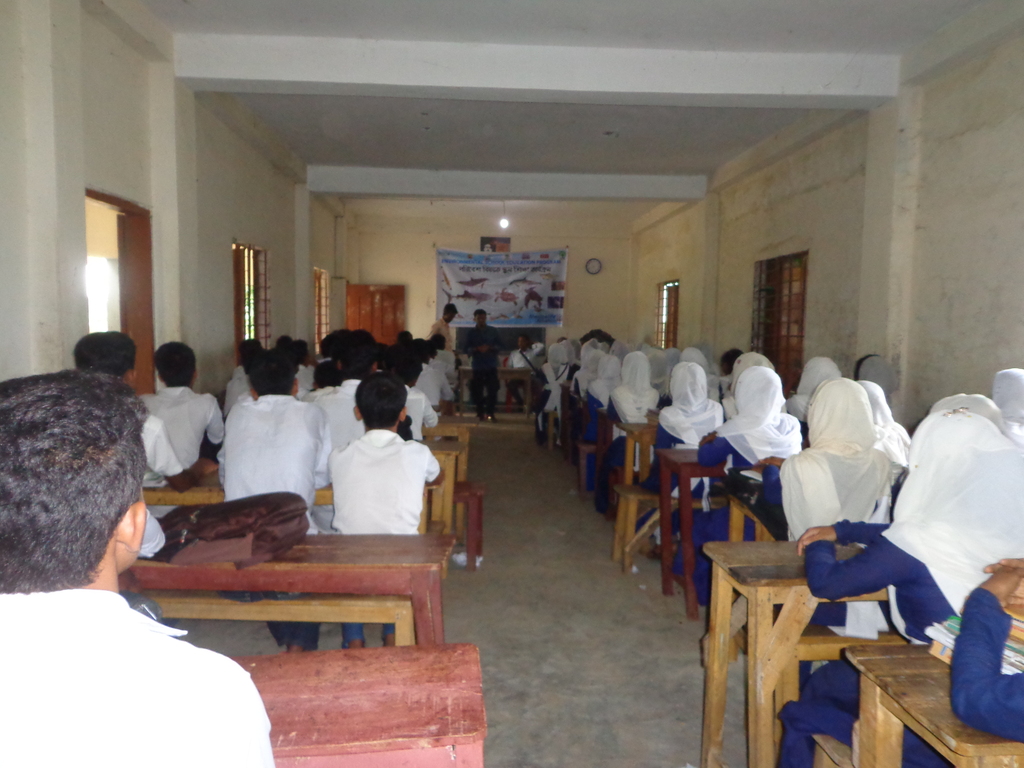
Environmental & Wildlife Education for the Next Generation
Our organization is dedicated to fostering awareness and stewardship of the environment, wildlife, and marine ecosystems among young learners. Through hands-on learning, interactive workshops, field visits, and community engagement, we aim to inspire students to become responsible citizens who value and protect nature. Over the years, we have successfully conducted more than 347 education programs, reaching 13,259 students across schools, colleges, and community groups. These programs cover a wide range of topics, including biodiversity conservation, marine life protection, sea turtle and cetacean awareness, coral reef ecology, waterbird and wetland conservation, plastic pollution reduction, and climate resilience. By combining classroom sessions with practical field experiences—such as beach cleanups, species monitoring, and habitat restoration—students gain both knowledge and a sense of responsibility for local ecosystems. Our efforts also include training teachers, developing educational materials, and organizing youth-led campaigns to ensure that learning continues beyond the program itself. Through these initiatives, we not only educate but also empower the younger generation to take tangible actions for environmental protection, wildlife conservation, and sustainable living. By nurturing curiosity, empathy, and scientific thinking, we aim to build a generation that understands the value of nature, respects marine life, and actively contributes to conserving our planet for the future.
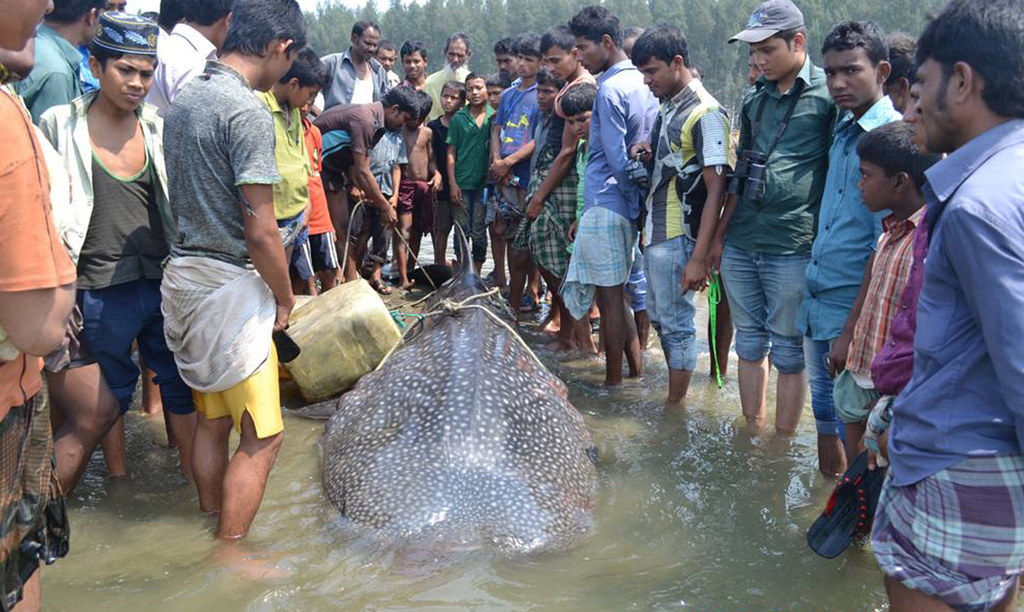
Whale Shark Conservation & Rescue Efforts
Our organization is dedicated to the conservation of whale sharks, one of the most majestic and vulnerable species in Bangladesh’s coastal waters. Over the years, we have closely monitored whale shark bycatch, documenting incidents where these gentle giants are accidentally caught in fishing gear. Through consistent engagement with local fishing communities, we provide training and awareness on safe handling techniques, promoting practices that minimize harm and ensure rapid release when accidental capture occurs. Advocacy plays a central role in our work, as we collaborate with fisheries authorities, policymakers, and stakeholders to strengthen protective measures, implement bycatch reduction strategies, and integrate whale shark conservation into local and national marine management plans. In 2014, our team responded to a critical case at Samlapur, where a whale shark was caught by fishermen and was on the brink of death. Through immediate intervention, careful handling, and monitoring, we ensured the whale shark’s safe return to the sea, and it resumed movement and normal behavior, highlighting the impact of rapid rescue actions. Each intervention, whether it is monitoring, awareness, advocacy, or rescue, contributes to reducing human-induced mortality and supporting the survival of whale sharks in the Bay of Bengal. Our ongoing efforts emphasize a combination of science, community cooperation, and rapid response, ensuring these ocean giants continue to thrive in their natural habitat while building stronger conservation awareness among coastal communities.
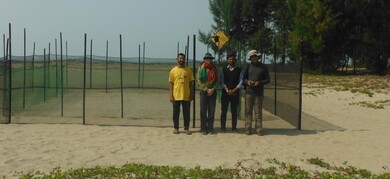
Sea Turtle Nest : In-Situ and Ex-Situ Conservation
Each winter nesting season, our organization takes proactive measures to safeguard vulnerable sea turtle eggs through both in-situ and ex-situ conservation strategies. In areas where natural nests face threats from predators, tidal surges, or human disturbance, we establish in-situ enclosures directly on the nesting beaches, providing a protected environment where eggs can incubate safely until hatching. In locations where nests are at extreme risk, eggs are carefully relocated to ex-situ hatcheries, where controlled conditions allow optimal incubation and higher hatchling survival rates. Throughout the season, our team monitors these enclosures daily, recording critical data such as clutch size, incubation period, hatching success, and emerging hatchling behavior. After hatching, hatchlings are guided safely to the sea, minimizing disorientation and mortality. These efforts are complemented by community engagement, where local volunteers and youth are trained to support monitoring and protection activities, fostering a sense of stewardship and awareness about the importance of sea turtle conservation. By combining science-based monitoring, habitat protection, and community involvement, our in-situ and ex-situ egg relocation programs significantly improve hatching success rates, reduce losses from natural and human threats, and contribute to the long-term survival of endangered sea turtle populations along Bangladesh’s coastline. These initiatives are a vital component of our mission to protect marine biodiversity and strengthen coastal ecosystem resilience.
Help us carry on our Programs