
Sea birds & shorebirds
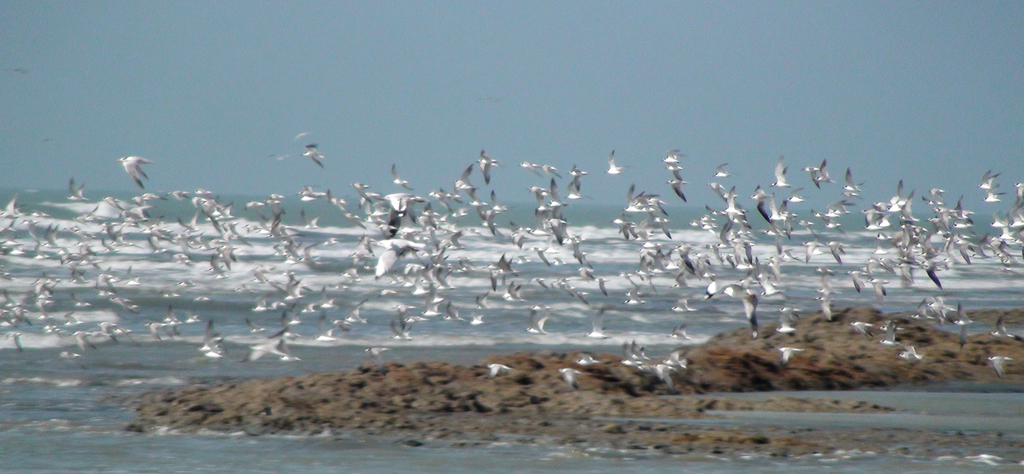
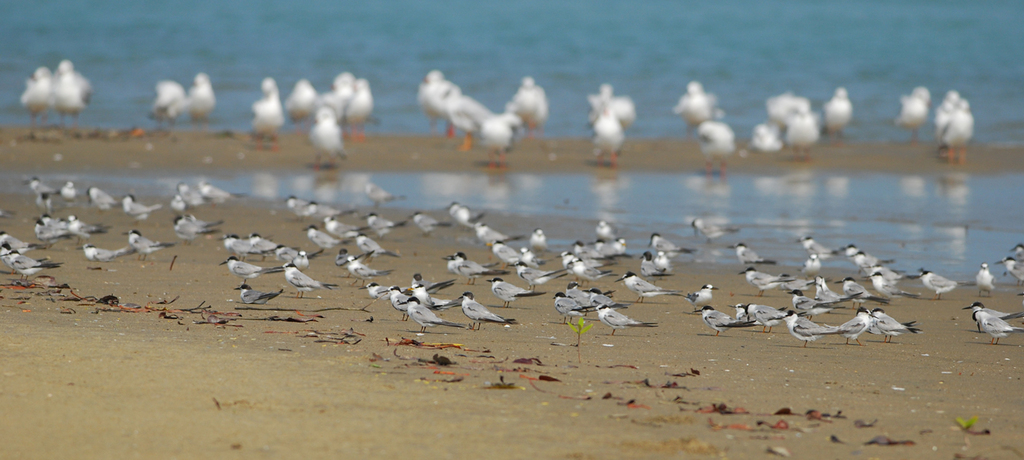
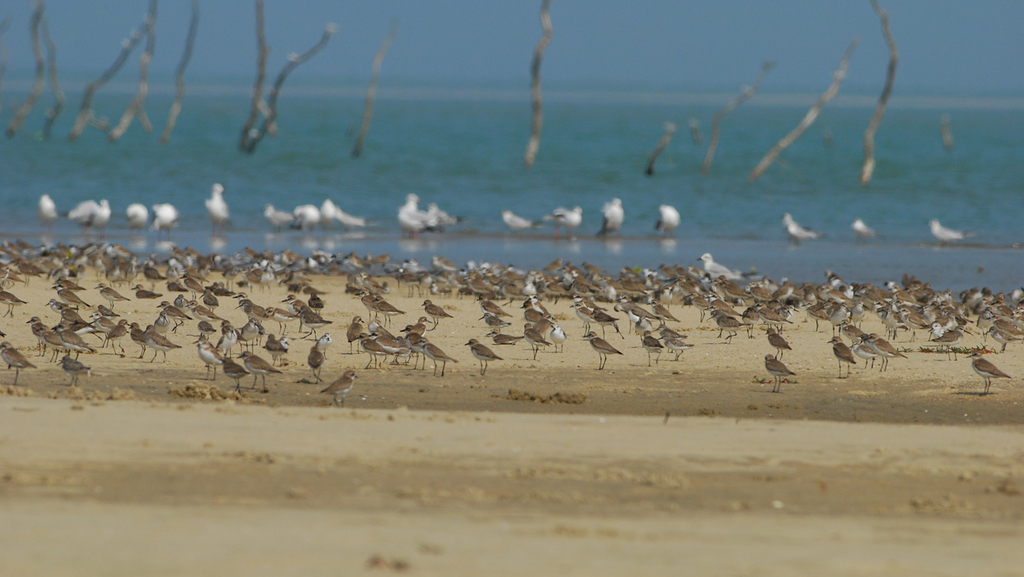
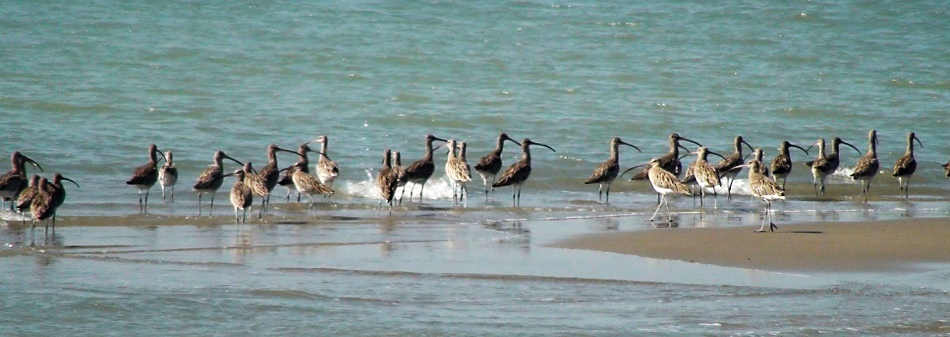

Bangladesh may be best known for its rivers, wetlands and vast delta, but its coastline is also a remarkable haven for marine birds. Stretching along the northern Bay of Bengal, the coast contains sandy beaches, tidal mudflats, estuaries, mangrove forests, offshore islands, salt marshes, coastal grasslands and shallow marine waters. These habitats support an extraordinary diversity of seabirds and shorebirds, including resident species as well as thousands of migratory birds that arrive from northern Asia, Siberia, Central Asia and other parts of the East Asian–Australasian Flyway.
For MarineLife Alliance, seabirds and shorebirds are an important part of Bangladesh's marine biodiversity. Protecting these birds means protecting the beaches, mudflats, estuaries, islands and nearshore waters on which many other species—including fish, turtles, crabs, molluscs and marine mammals—also depend.
A Coastal Highway for Migratory Birds
Every year, large numbers of migratory shorebirds travel thousands of kilometres to escape the harsh winters of their northern breeding grounds. Bangladesh lies within the East Asian–Australasian Flyway, one of the world's major migratory routes.
During the winter months, coastal areas of Bangladesh become feeding and resting grounds for many species. Birds arrive exhausted after long migrations and depend on productive intertidal habitats to rebuild their energy reserves.
Among the important migratory shorebirds found along the Bangladesh coast are Eurasian Curlew, Whimbrel, Bar-tailed Godwit, Black-tailed Godwit, Common Redshank, Spotted Redshank, Common Greenshank, Terek Sandpiper, Curlew Sandpiper, Broad-billed Sandpiper, Dunlin, Little Stint, Greater Sand Plover and Lesser Sand Plover.
Some of these birds travel enormous distances between their breeding and wintering grounds. Their survival depends on the availability of safe coastal habitats throughout the entire flyway.
Seabirds of the Bay of Bengal
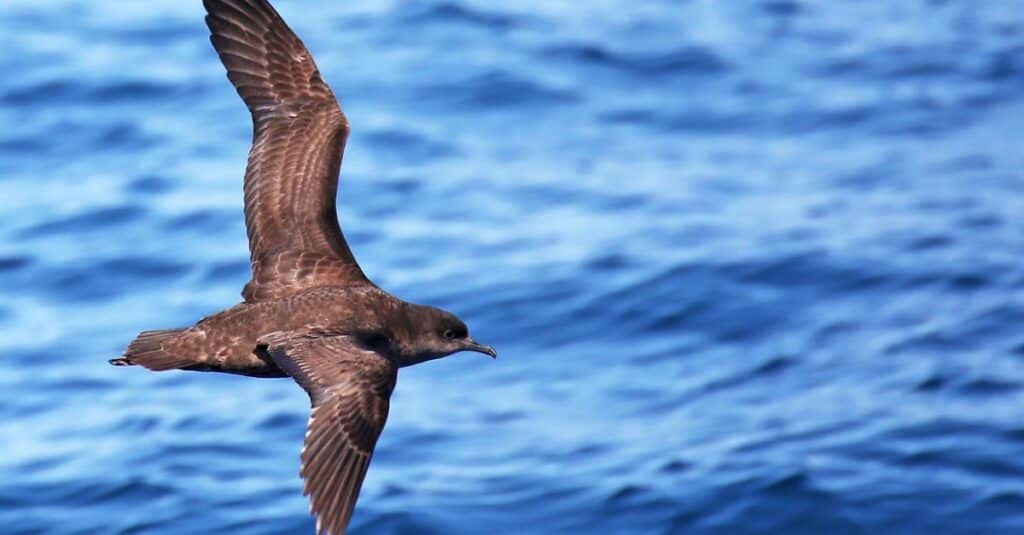
Bangladesh's marine waters also provide habitat for a variety of seabirds and coastal waterbirds. Gulls, terns and other marine-associated birds can be observed around offshore islands, sandy beaches, fishing grounds and estuaries.
Species such as Caspian Tern, Lesser Crested Tern, Greater Crested Tern, Black-headed Gull and other gull and tern species may be encountered along the coast, particularly during migration and winter.
Terns are closely associated with marine and coastal food webs. They often feed on small fish and other marine organisms near the surface of the water. Their presence can therefore provide useful information about the availability of prey and the condition of coastal ecosystems.
Seabirds are also vulnerable to changes in marine productivity, fishing activities, pollution and disturbance. Monitoring them can help us understand wider changes taking place in the Bay of Bengal.
Sonadia and the Cox's Bazar–Teknaf Coast
The Cox's Bazar–Teknaf coastal landscape is one of Bangladesh's most important areas for marine biodiversity. Its long sandy beaches, tidal flats, coastal vegetation, estuaries and offshore islands create a mosaic of habitats for birds and other wildlife.
Sonadia Island is particularly important because of its extensive intertidal mudflats and coastal habitats. During winter, these mudflats can support large concentrations of migratory shorebirds.
The wider Cox's Bazar–Teknaf region also provides important habitat for sea turtles, cetaceans, coastal fish, crabs and numerous other species. This ecological connection means that bird conservation cannot be separated from the conservation of the wider marine ecosystem.
When mudflats are healthy, they support worms, molluscs, crustaceans and other invertebrates that form the food base for many shorebirds. Protecting these feeding grounds therefore protects an entire ecological community.
The Spoon-billed Sandpiper
One of the most remarkable birds associated with the coastal wetlands of the Bay of Bengal is the Spoon-billed Sandpiper.
This tiny shorebird is globally threatened and famous for its distinctive spoon-shaped bill. It breeds in the high Arctic and undertakes an extraordinary migration to wintering areas in South and Southeast Asia.
For a bird weighing only a few tens of grams, the journey is enormous. Along the migration route, it depends on a network of suitable coastal wetlands where it can feed and rest.
The presence of such globally threatened migratory birds demonstrates the international importance of Bangladesh's coastal ecosystems.
Protecting mudflats and intertidal feeding areas is therefore not only a national conservation responsibility—it contributes to the conservation of migratory birds across an entire international flyway.
Why Shorebirds Matter
Shorebirds are more than beautiful visitors to our beaches and mudflats. They are important components of coastal ecosystems.
Many shorebirds feed on marine worms, molluscs, crabs, small crustaceans and other organisms living within intertidal sediments. As they feed, they interact with the sediment ecosystem and form part of the natural food web.
Bird populations can also act as ecological indicators. Changes in bird numbers, species composition, migration timing or distribution may provide early signals of changes in habitat quality, food availability, pollution or human disturbance.
Long-term monitoring can therefore help scientists understand the health of Bangladesh's coastal environment.
Threats to Coastal Birds
Despite their ecological importance, Bangladesh's coastal birds face increasing pressure.
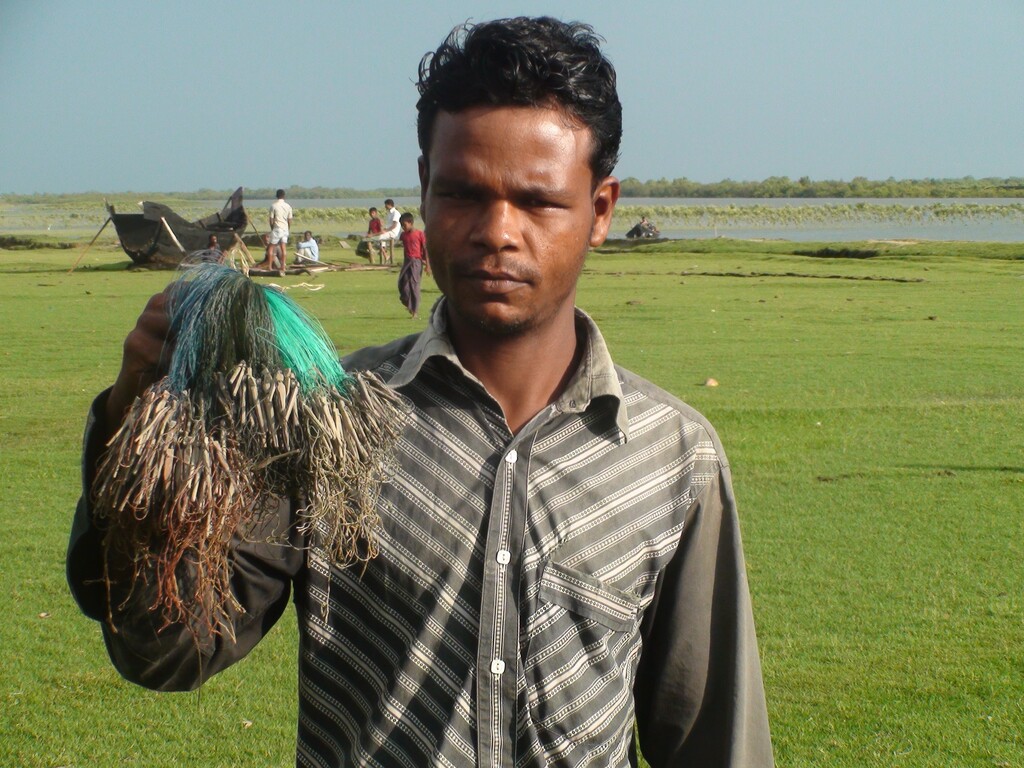
Major threats include habitat loss, coastal development, disturbance on beaches and mudflats, unregulated tourism, plastic and marine pollution, fishing activities, hunting and trapping, dogs and other predators, changes in tidal habitats, and climate-related changes.
Plastic pollution is particularly concerning. Birds may ingest plastic fragments or become entangled in discarded fishing line, nets and other materials.
Human disturbance can also have serious consequences. When feeding or resting birds are repeatedly disturbed, they may spend valuable energy flying away rather than feeding. For migratory birds that have travelled thousands of kilometres, losing access to feeding opportunities can reduce their ability to survive the winter or complete their return migration.
MarineLife Alliance: Monitoring and Conservation
MarineLife Alliance is committed to improving knowledge and conservation of Bangladesh's marine and coastal biodiversity.
Our seabird and shorebird work can include coastal bird surveys, winter bird counts, habitat assessment, species documentation, photographic records, community-based monitoring, migration studies and conservation awareness.
We are particularly interested in strengthening monitoring along important coastal landscapes including Cox's Bazar, Teknaf, Sonadia, Moheshkhali, Kutubdia, St. Martin's Island and other coastal and offshore habitats.
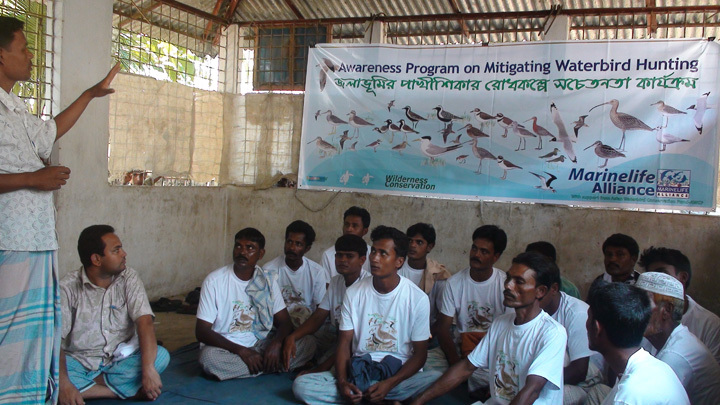
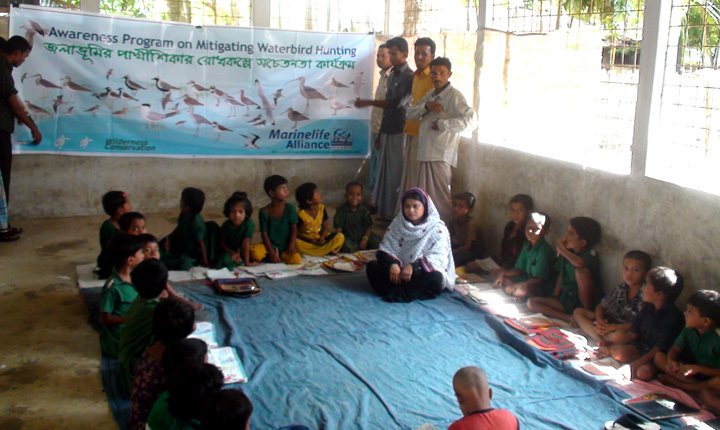
Working with local communities is essential. Fishermen, coastal residents, students, volunteers and local conservation groups can become valuable partners in documenting birds and identifying changes in coastal habitats.
Protecting Birds Means Protecting the Coast
The future of Bangladesh's seabirds and shorebirds is closely connected to the future of its coast.
A healthy mudflat supports invertebrates. Those invertebrates feed shorebirds. Healthy coastal waters support fish and seabirds. Beaches provide nesting and resting habitat for wildlife. Mangroves, estuaries and offshore islands connect these ecosystems into one larger coastal network.
Conserving birds therefore means conserving the entire coastal ecosystem.
Through scientific monitoring, community participation, environmental education and habitat protection, we can help ensure that Bangladesh remains an important destination for migratory birds and a safe home for its resident coastal species.
Our coast is more than a shoreline. It is a living network of habitats connecting Bangladesh to the wider Bay of Bengal and the world's great migratory flyways. Protecting seabirds and shorebirds today means protecting the ecological heritage of Bangladesh for future generations.
Coastal Roosts, Feeding Grounds and Bird Behaviour
Not all coastal birds use the same habitat. Different species have developed specialized feeding strategies that allow them to share the coastline. Some birds probe deep into wet sand and mud with long bills, searching for worms and molluscs, while others pick small crustaceans from the surface. Gulls and terns may search for fish in shallow marine waters, while herons and egrets commonly forage around tidal channels, estuaries and coastal wetlands.
During high tide, many shorebirds leave feeding areas and gather at high-tide roosts—quiet locations where they can rest safely until the mudflats become exposed again. These roosting sites are extremely important but are often overlooked in coastal planning. Disturbance at a roost can cause thousands of birds to repeatedly take flight, wasting energy that is essential for migration and survival.
Offshore Islands and St. Martin's Island
Bangladesh's offshore islands provide additional habitats for marine and coastal birds. St. Martin's Island, surrounded by the Bay of Bengal, is particularly important as part of the country's marine biodiversity landscape. Rocky shores, sandy beaches, tidal areas and shallow coastal waters provide opportunities for feeding, resting and movement of marine-associated birds.
Bird observations around islands can also complement marine biodiversity monitoring. Records of terns, gulls and other seabirds can provide useful information about seasonal changes in fish availability and marine productivity.
Birds and Local Communities
Coastal communities have lived alongside birds for generations. Fishermen often possess valuable knowledge about seasonal bird movements, feeding grounds and unusual changes in coastal wildlife.
MarineLife Alliance can combine this local ecological knowledge with scientific surveys and citizen-science observations. Photographs, GPS locations, species counts and seasonal records collected by trained volunteers can help build a long-term coastal bird database.
Such information can identify important feeding and roosting sites, track population changes and support evidence-based conservation.
A Shared Responsibility
Protecting Bangladesh's coastal birds requires cooperation among conservation organizations, researchers, government agencies, fishermen, tourism operators, students and local communities.
By keeping important mudflats undisturbed, reducing plastic pollution, protecting roosting sites and promoting responsible coastal tourism, we can create safer landscapes for both birds and people.
Every bird recorded along Bangladesh's coast tells part of the story of our changing marine environment. Through careful observation and community action, we can make that story one of recovery, protection and hope.
Help us carry on our Programs