
Where we worK
Bangladesh Coast & Marine Territory
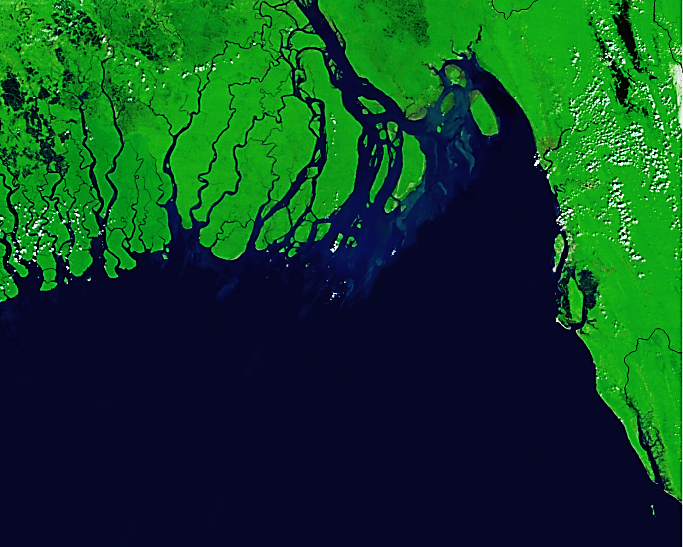
Marine Life Alliance (MLA) works across the full breadth of Bangladesh’s coastline and marine territory—one of the most ecologically rich yet highly threatened regions of the Bay of Bengal. Stretching more than 710 kilometers from the Sundarbans mangrove delta in the west to St. Martin’s Island in the southeast, Bangladesh’s coast supports globally significant species, vital fisheries, unique island ecosystems, and millions of people whose livelihoods are directly linked to the sea. Our work spans this entire landscape, integrating research, conservation, community engagement, and climate resilience to protect both nature and the coastal communities who depend on it.
Bangladesh’s marine and coastal zone includes sandy beaches, coral communities, mudflats, mangroves, estuaries, sea grass beds, offshore waters, and deep channels that host a wide range of marine megafauna. From the vast river mouths of the Western Delta to the high-biodiversity hotspots of Cox’s Bazar, Sonadia, and St. Martin’s Island, these ecosystems provide nesting grounds for sea turtles, feeding grounds for cetaceans and whale sharks, migration corridors for waterbirds, and essential habitats for marine fish and invertebrates. MLA’s efforts focus on protecting these interconnected habitats holistically, addressing threats, supporting local stewardship, and generating scientific knowledge that guides national conservation priorities.
Along the eastern coastline—Cox’s Bazar, Teknaf, Inani, Himchari, and the Maheshkhali Channel—MLA conducts long-term monitoring of sea turtles, corals, cetaceans, whale sharks, seabirds, and coastal vegetation. These areas host critical nesting beaches for olive ridley and green turtles, as well as important feeding and migration areas for Indo-Pacific humpback dolphins, spinner dolphins, bottlenose dolphins, finless porpoises, and Bryde’s whales. St. Martin’s Island, the country’s only coral-bearing island, remains one of our core sites where we monitor reef health, coral bleaching, water quality, and the impacts of tourism and climate change. These habitats are extremely sensitive to erosion, pollution, and overuse, which is why MLA supports habitat restoration initiatives such as screwpine plantation, reef documentation, and community awareness programs.
Sonadia Island—another critical work area—is one of Bangladesh’s most important ecological hotspots, supporting migratory waterbirds, shorebirds, sea turtles, and rich intertidal habitats. MLA works here with fishers and local residents to reduce bycatch, restore shoreline vegetation, remove harmful plastic and ghost nets, and monitor changes in wildlife populations. This area is under significant pressure from fishing, unplanned tourism, and habitat loss; therefore, our long-term presence provides essential ecological data and community-based solutions.
Further west toward the Sundarbans—the world’s largest mangrove forest and a UNESCO World Heritage Site—MLA engages in marine species reporting, awareness-building, and collaborative monitoring. The Sundarbans and adjacent waters support Irrawaddy dolphins, finless porpoises, many species of sharks and rays, and a high diversity of riverine and coastal birds. Our efforts contribute to ongoing national and international conservation initiatives, linking local observations to broader regional research. Although the ecosystem is more riverine and estuarine compared to the sandy eastern beaches, it remains a key part of Bangladesh’s marine territory and an important area for MLA’s wider conservation framework.
MLA’s offshore work extends into the Exclusive Economic Zone (EEZ) of Bangladesh, where we document sightings of whale sharks, dolphins, whales, and pelagic fish species. As Bangladesh expands its blue economy initiatives, sustainable management of these offshore habitats is becoming increasingly important. Our work in these waters includes supporting the development of national databases, collaborating with fishers on safe-release protocols, and promoting responsible fisheries practices that reduce mortality of protected species.
Across the entire coastline, MLA focuses strongly on community engagement. Coastal communities—including fishers, youth groups, women’s networks, boat operators, and local leaders—are central partners in our conservation efforts. We provide training on bycatch reduction, safe release of entangled animals, waste management, alternative livelihood opportunities, and environmentally responsible tourism practices. By strengthening local knowledge and participation, we help ensure that conservation efforts are meaningful, long-lasting, and community-owned.
Climate change continues to reshape Bangladesh’s coastline, increasing erosion, sea-level rise, cyclones, and salinity. MLA addresses these urgent challenges through nature-based solutions such as dune stabilization, native vegetation restoration, and screwpine plantation to protect vulnerable beaches, reduce storm impacts, and maintain natural habitats for wildlife. These efforts help build resilience not only for ecosystems but also for local communities whose homes, resources, and safety depend on a healthy coastline. Throughout all regions, MLA invests in data-driven conservation. Our teams use GPS mapping, drone surveys, photographic identification, community reporting networks, and ecological assessments to track changes in species populations and habitat conditions. These data are shared with government agencies, research institutions, and conservation networks to support policy development and national planning. By working across the entire coast and marine territory of Bangladesh, Marine Life Alliance remains committed to protecting biodiversity, sustaining coastal communities, and building a resilient future for one of the most biologically rich and socially important marine regions in the world.
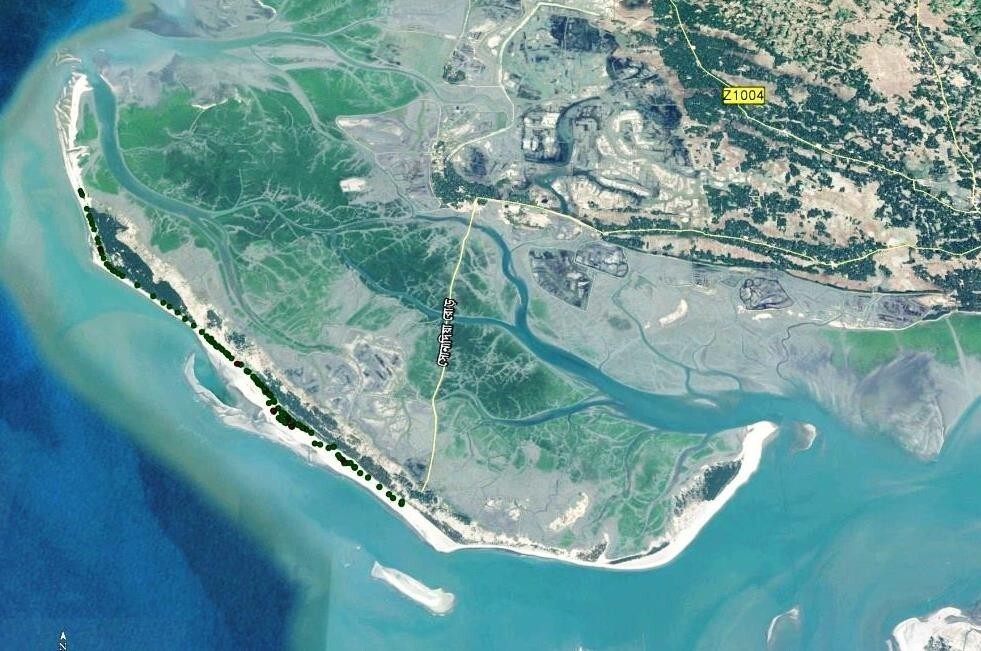
Sonadia Island – A Haven for Marine Biodiversity
Sonadia Island, located off the coast of Cox’s Bazar, is one of Bangladesh’s most ecologically valuable marine and coastal habitats, and a core focus of our conservation work. This small barrier island hosts an exceptional variety of wildlife and ecosystems, including sandy beaches, mudflats, mangroves, lagoons, salt marshes, and seagrass beds. Its rich biodiversity supports globally threatened species, making it a priority site for long-term monitoring, habitat protection, and community-based conservation.
Sonadia serves as one of the most important nesting grounds for marine turtles, particularly the Olive Ridley and Green Turtle, and our team carries out regular nesting beach surveys, hatchling monitoring, and awareness work with local communities. The surrounding waters provide critical habitat for cetaceans, including Indo-Pacific humpback dolphins, Irrawaddy dolphins, and finless porpoises highlight the ecological significance of the area. The island is also a seasonal refuge for a large number of migratory waterbirds, with mudflats supporting thousands of shorebirds during winter. Our efforts on Sonadia include reducing marine debris and ghost nets, promoting responsible fishing practices, and supporting local fishers in bycatch reduction. We work closely with community members to strengthen stewardship, enhance knowledge, and improve protection of sensitive habitats. Restoration activities such as screwpine plantation, mangrove enhancement, and dune stabilization help safeguard the island against erosion, tidal surge, and climate-related threats.
Through long-term research, field monitoring, community partnerships, and nature-based solutions, we aim to preserve the ecological integrity of Sonadia Island while ensuring that conservation benefits both wildlife and the coastal communities who depend on this fragile ecosystem.