ProGRAMs
Protect Our Ocean
we are now developing our contents,
thanks for your patience
New text element
CORAL MONITORING & RESTORATION
Threats to Bangladesh’s Coral Ecosystems
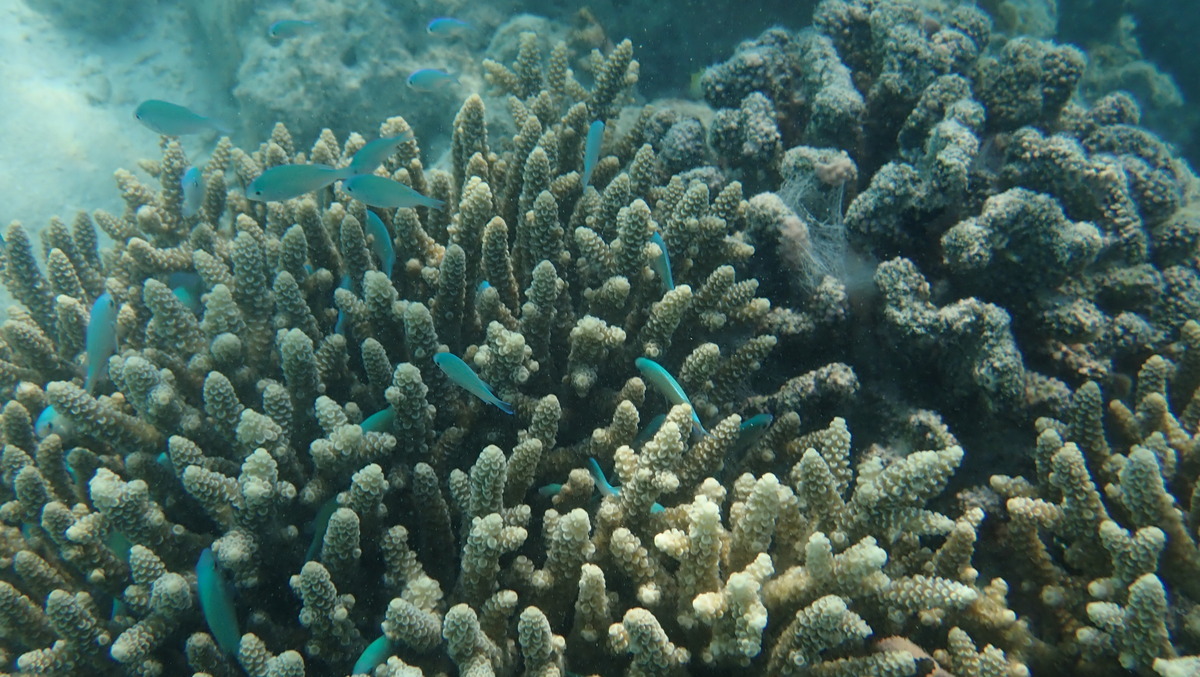
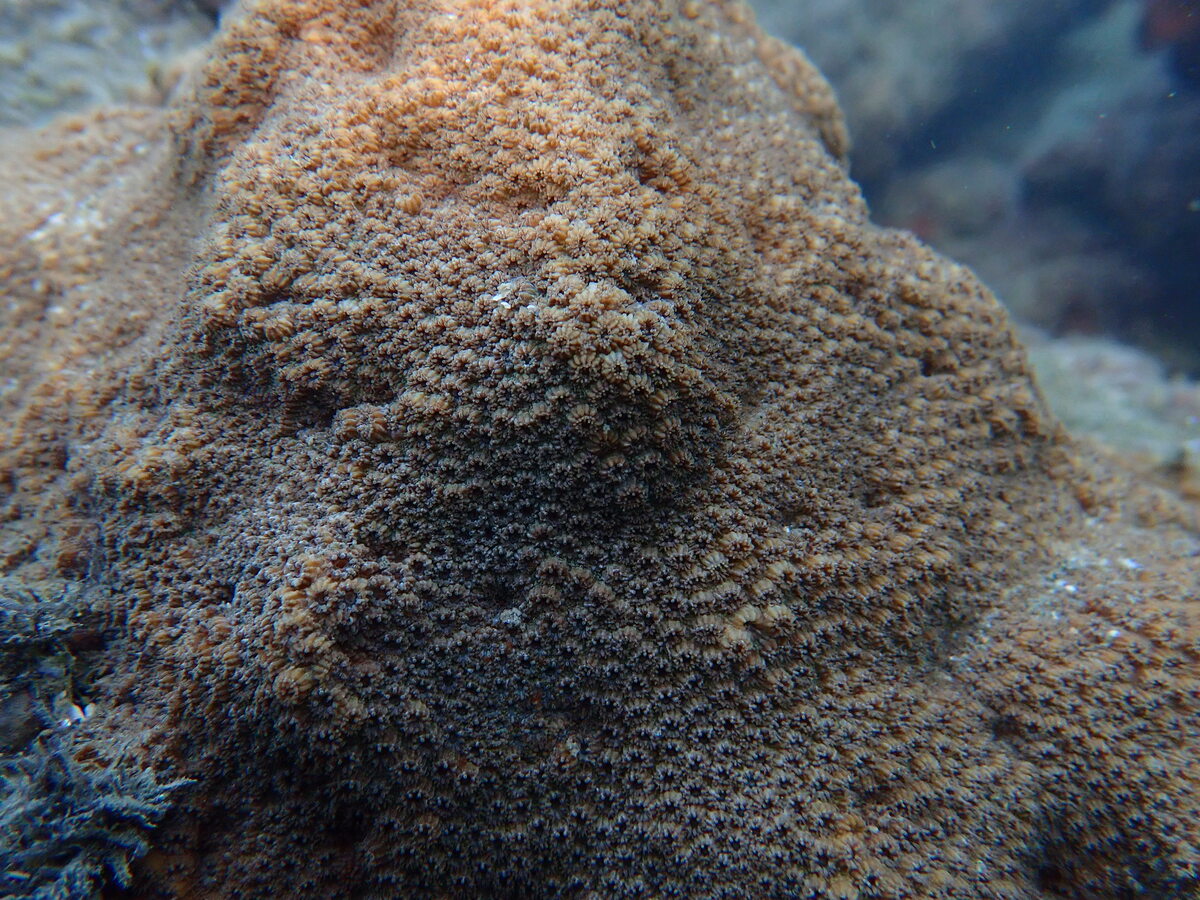
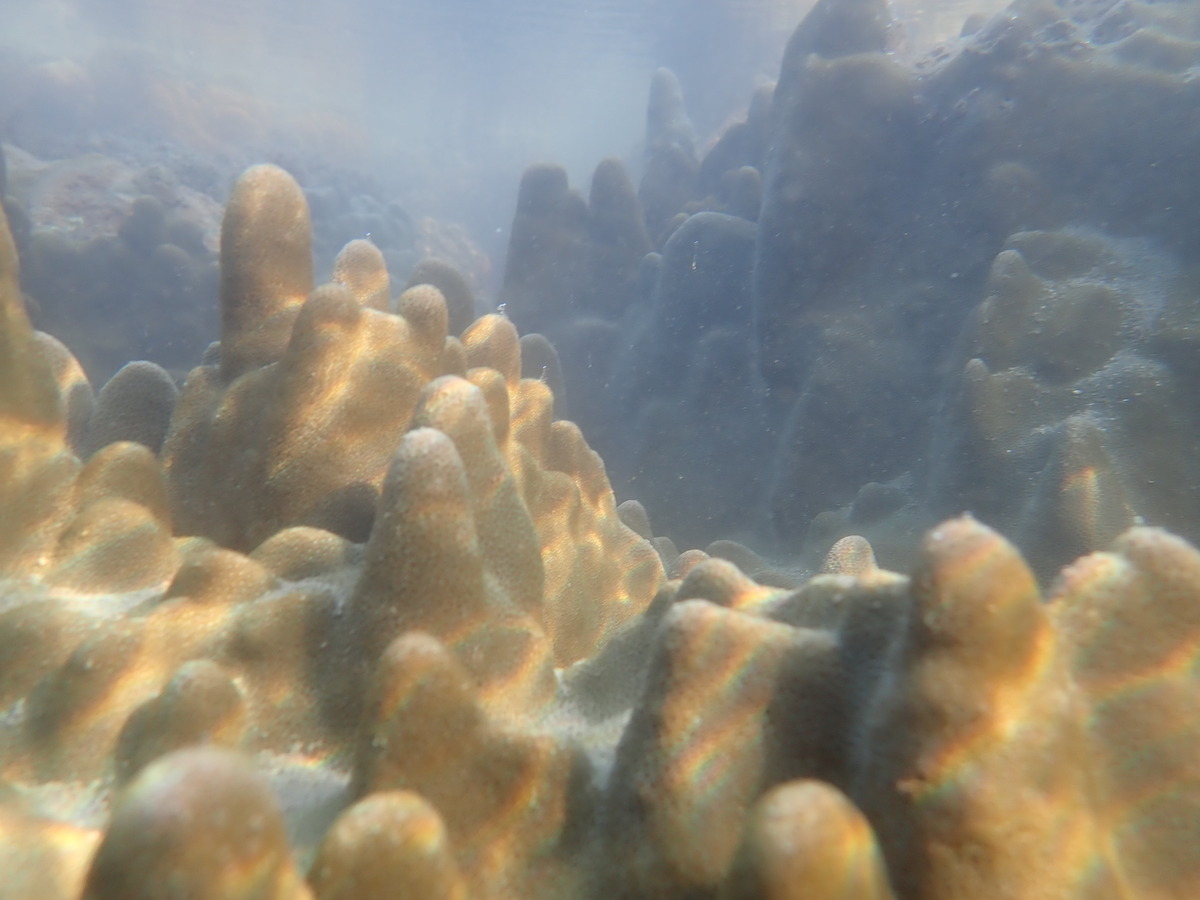
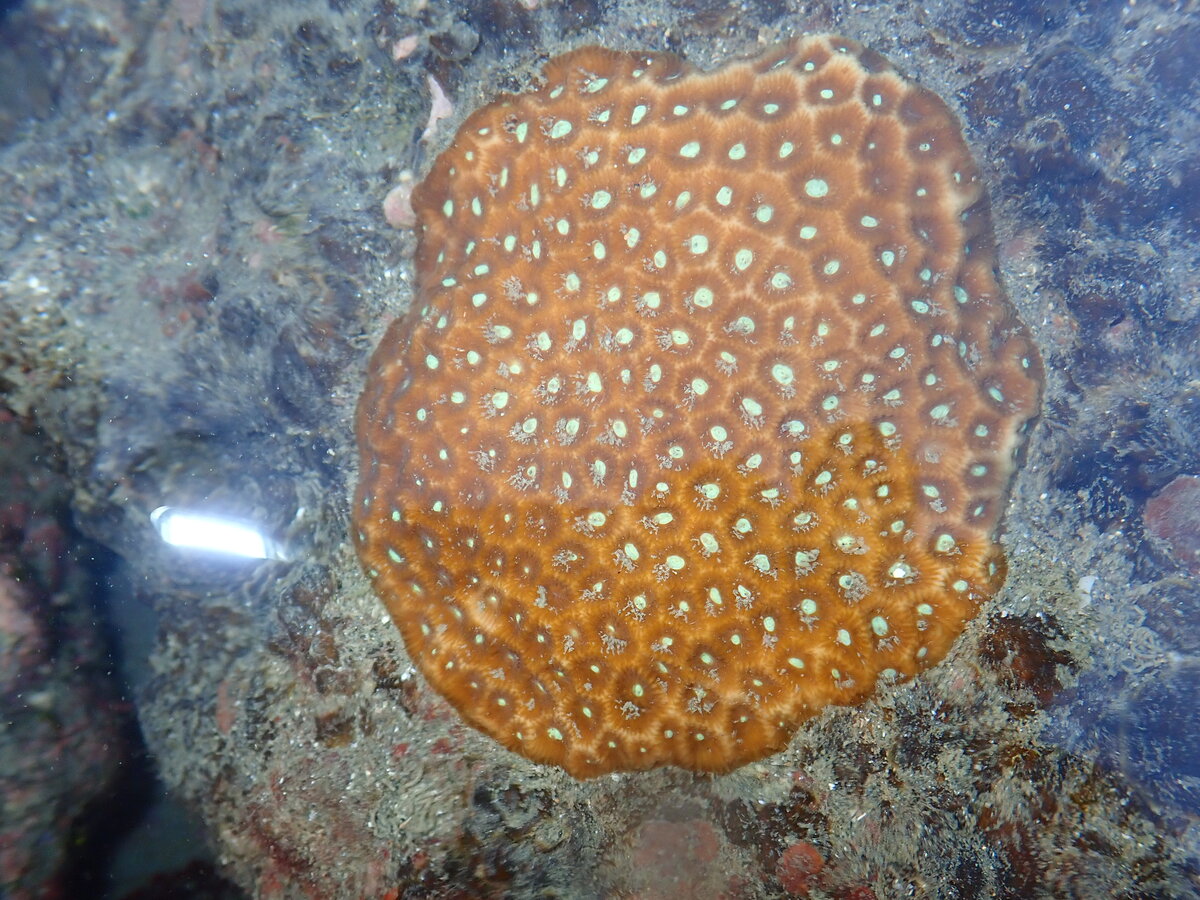
Bangladesh hosts one of the most geographically unique and environmentally stressed coral ecosystems in the northern Indian Ocean. Concentrated mainly around St. Martin’s Island, these reefs represent the northernmost coral community of the Bay of Bengal and persist under conditions that are far more variable and challenging than those experienced by most tropical reefs. Historically, this ecosystem supported a diverse assemblage of hard and soft corals, reef-associated fishes, sponges, echinoderms, and mollusks. Over recent decades, however, the structure and functioning of this coral system have undergone severe degradation.
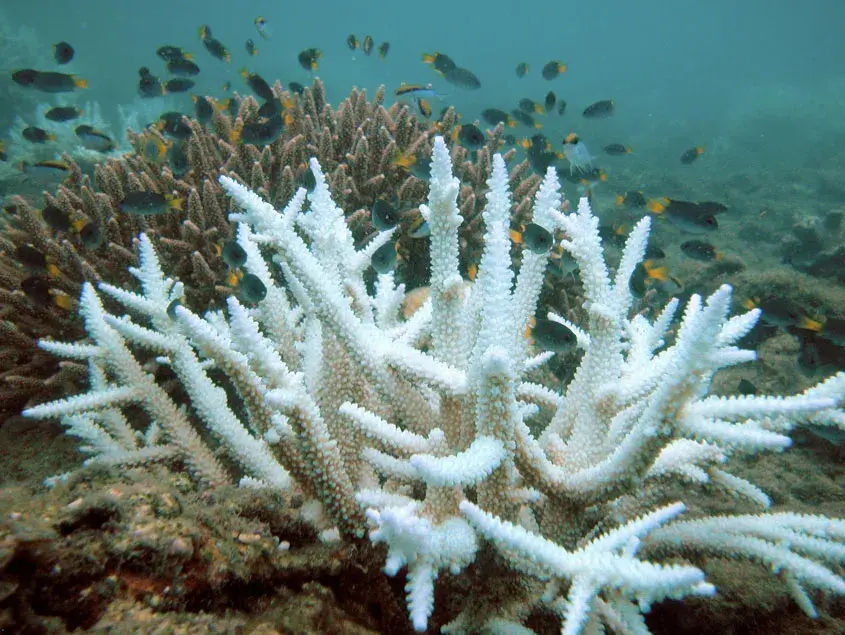
The coral reefs of St. Martin’s Island exist in a naturally high-stress environment shaped by strong monsoonal influence, freshwater discharge from major river systems, fluctuating salinity, high turbidity, seasonal sedimentation, and frequent cyclones. While corals in this region have adapted to these dynamic conditions, the increasing intensity and frequency of environmental stressors have pushed the ecosystem beyond its natural resilience thresholds. Extreme temperature fluctuations and prolonged exposure during low tides have contributed to recurrent coral bleaching events, some of which have resulted in partial or complete colony mortality. Recovery following bleaching has often been slow and incomplete.
Human-induced pressures have significantly accelerated reef decline. Coral mining in previous decades caused widespread physical damage, flattening reef structures and permanently reducing habitat complexity. Although large-scale extraction has ceased, the legacy of this activity remains visible in the form of coral rubble fields and diminished live coral cover. Unregulated tourism now represents one of the most persistent threats. During low tides, visitors frequently walk across exposed reef flats, crushing fragile coral fragments, algae, and associated benthic organisms that are critical for reef regeneration. Snorkelling and boating activities often occur without adequate supervision, leading to physical damage from fins, anchors, and vessel grounding.
Pollution further compounds these pressures. Plastic waste accumulates on reef surfaces, entangling corals and blocking sunlight required for photosynthesis by symbiotic algae. Nutrient inputs from land-based sources and local activities contribute to excessive algal growth, particularly turf algae, which competes with corals for space and inhibits larval settlement. Reduced populations of herbivorous fish, linked to fishing pressure and habitat degradation, have weakened natural controls on algal expansion, reinforcing a shift away from coral-dominated states.
Sedimentation poses another serious challenge. Seasonal wave action, storms, and coastal modification resuspend fine sediments that settle on coral surfaces, smothering living tissue and reducing light penetration. Shallow reef flats are particularly vulnerable, with live coral cover in many areas declining to below ten to fifteen percent. Deeper rocky and boulder habitats retain relatively higher coral cover, but even these zones show signs of stress, including increased dominance of soft corals and massive, slow-growing species over previously common branching corals.
Climate change acts as a cumulative and overarching threat, intensifying local stressors. Rising sea surface temperatures increase the likelihood of bleaching, while stronger storms and sea-level variability exacerbate physical damage and sediment movement. These combined pressures have reduced the reefs’ capacity for natural recovery and increased the risk of long-term ecological phase shifts.
The ongoing degradation of St. Martin’s coral ecosystem has broader ecological implications. Coral decline is closely linked to reductions in reef-associated fish populations, altered species composition, and increased occurrences of ecological imbalance, such as jellyfish proliferation. As Bangladesh’s only coral-bearing island, St. Martin’s represents a critical but highly vulnerable marine ecosystem. Without effective reduction of both local and global stressors, the remaining coral communities face continued decline, with lasting consequences for biodiversity, fisheries, and coastal ecological stability.
CORAL MONITORING & RESTORATION