
sea turtle of the world and Bangladesh
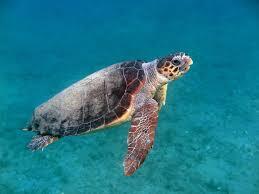
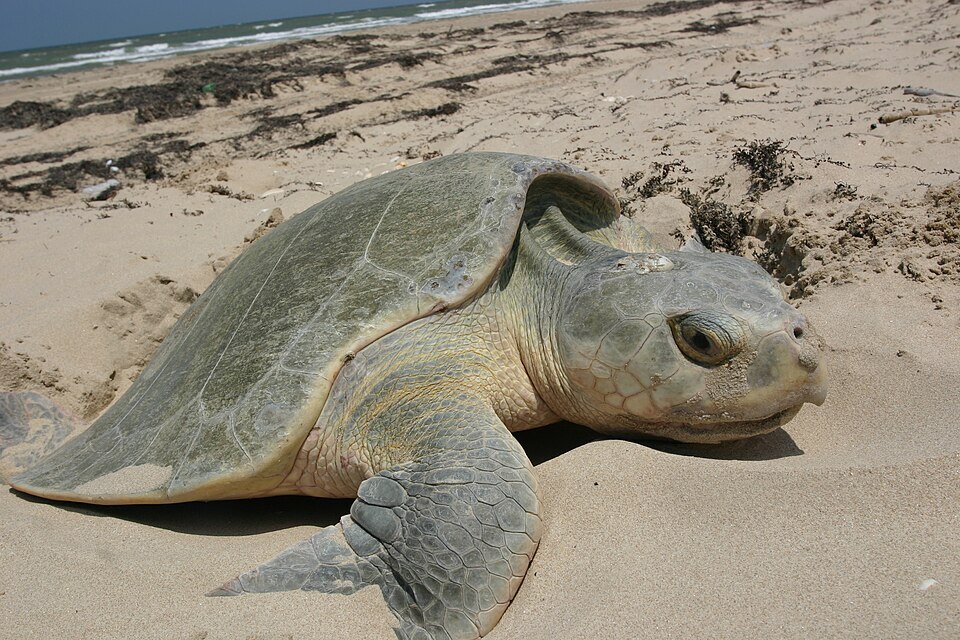
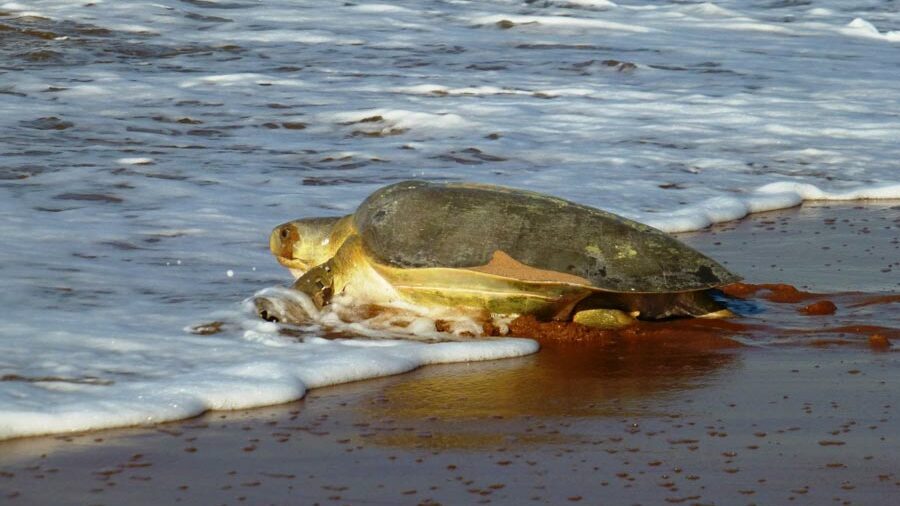
Green Turtle (Chelonia mydas)
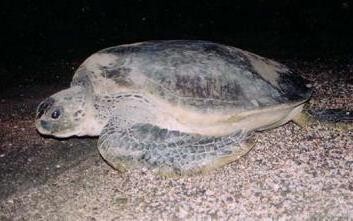
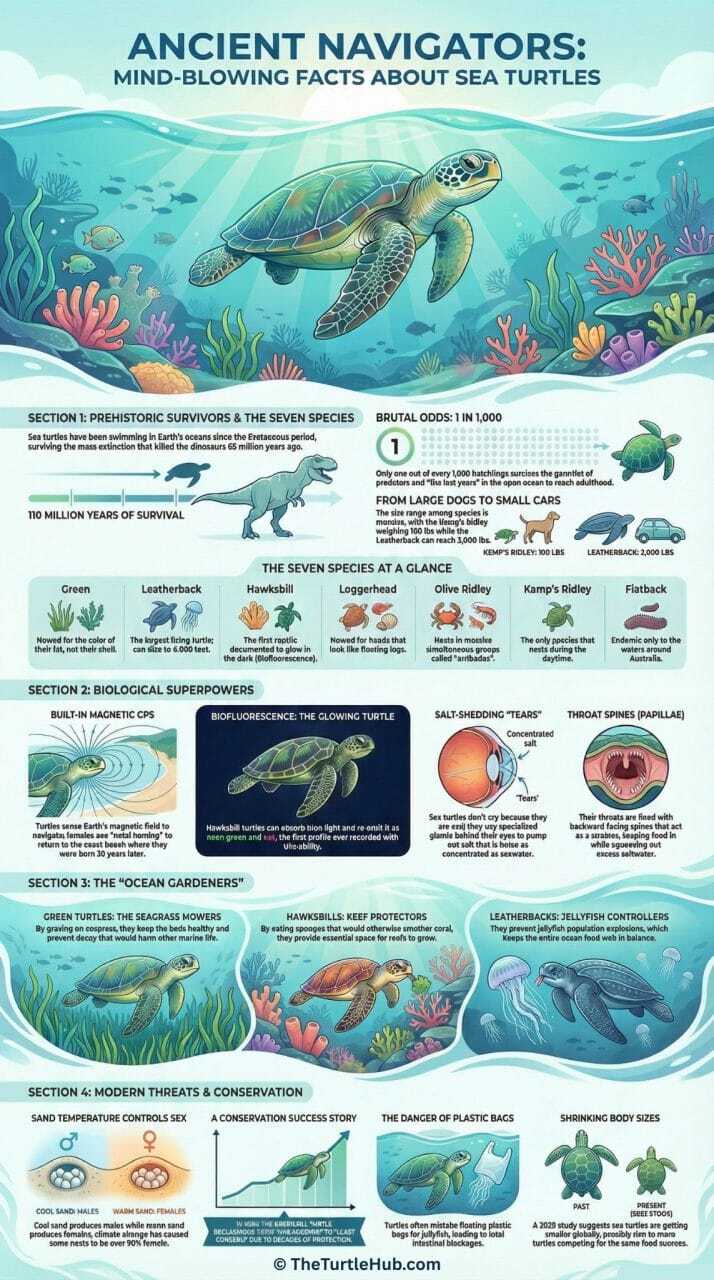
The Green Turtle is one of the most widely distributed and best-known sea turtle species in the world. Despite its name, the green turtle is not green externally; the name comes from the greenish colour of its body fat, which results from its largely herbivorous diet. Adult green turtles primarily feed on seagrass and algae, making them the only sea turtle species that is mainly vegetarian.
Green turtles play a crucial ecological role by maintaining healthy seagrass meadows. Their grazing prevents overgrowth, promotes new seagrass growth, and supports biodiversity in coastal ecosystems. These seagrass beds also act as carbon sinks and nursery habitats for fish and invertebrates, linking green turtle conservation directly to climate resilience and fisheries health.
Green turtles are found throughout tropical and subtropical oceans, including the Bay of Bengal. In Bangladesh, they are known to nest on beaches such as Cox’s Bazar, Teknaf, St. Martin’s Island, and offshore islands. Females return to sandy beaches to lay 80–120 eggs per nest, often nesting multiple times in a season.
The species faces serious threats from bycatch in fishing gear, coastal development, egg collection, pollution, and climate change. Artificial lighting on beaches disorients hatchlings, while plastic ingestion can be fatal.
The Green Turtle is listed as Endangered on the IUCN Red List. Protecting nesting beaches, reducing bycatch, conserving seagrass habitats, and raising awareness among coastal communities are essential to ensure the survival of this iconic marine herbivore.
Protecting migratory routes, improving fisheries practices, and reducing marine pollution are key actions needed to safeguard this resilient yet increasingly threatened species.
Olive Ridley Turtle (Lepidochelys olivacea)
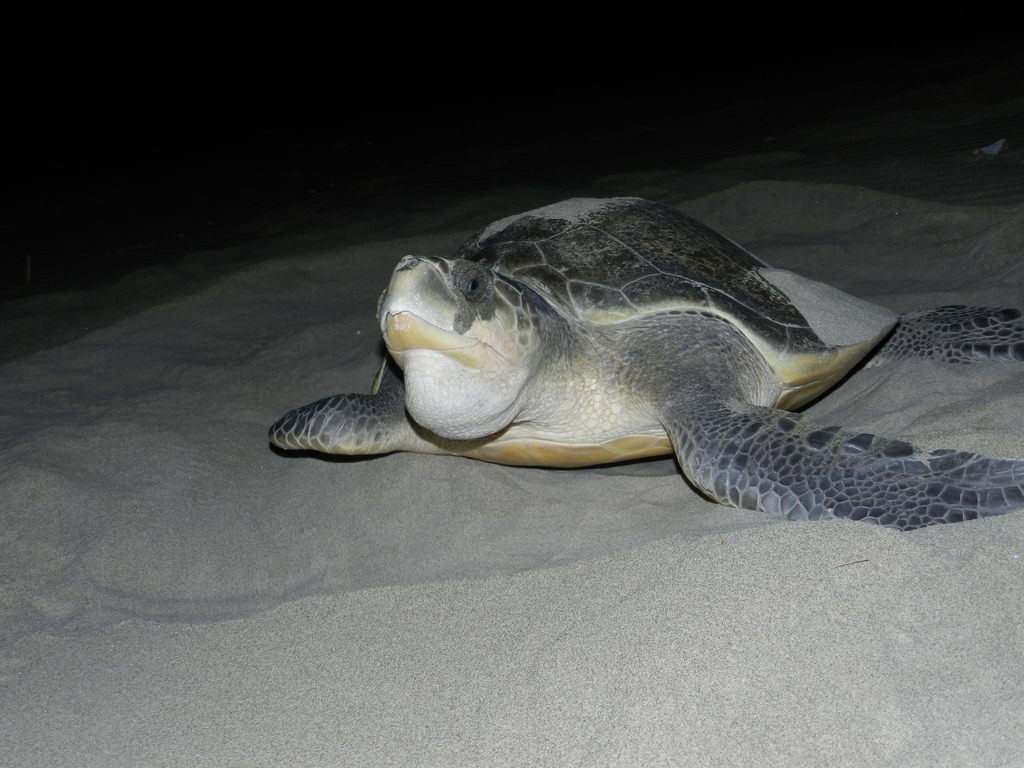
The Olive Ridley Turtle is the most abundant sea turtle species globally, yet it is still classified as Vulnerable due to rapid population declines in many regions. It is best known for its spectacular mass nesting events, called arribadas, where thousands of females nest simultaneously.
Olive Ridleys are relatively small sea turtles with olive-coloured shells. They feed on crustaceans, molluscs, fish, and jellyfish, making them opportunistic feeders.
In Bangladesh, Olive Ridley turtles are the most commonly nesting species, particularly along Cox’s Bazar, Teknaf, Kutubdia, and nearby islands. These beaches are of national and regional importance for the species.
Major threats include bycatch in trawl fisheries, egg collection, coastal development, and pollution. Turtle Excluder Devices (TEDs) have proven highly effective in reducing Olive Ridley mortality when properly used.
Protecting nesting beaches and working closely with fishing communities are key to ensuring the long-term survival of Olive Ridley turtles in the Bay of Bengal.
Hawksbill Turtle (Eretmochelys imbricata)
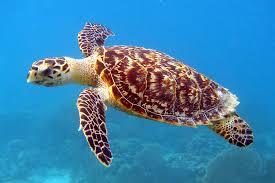
The Hawksbill Turtle is one of the most visually striking sea turtles, recognized by its narrow, pointed beak and beautifully patterned shell with overlapping scutes. Historically, this shell—known as “tortoiseshell”—was heavily exploited for jewellery and decorative items, leading to dramatic population declines.
Hawksbill turtles are closely associated with coral reef ecosystems, where they feed primarily on sponges. This specialized diet helps prevent sponges from outcompeting corals, making hawksbills essential for maintaining healthy reef systems. Healthy reefs, in turn, support fisheries, tourism, and coastal protection.
In the Bay of Bengal, hawksbill turtles are found around coral and rocky reef habitats, including St. Martin’s Island, Bangladesh’s only coral-bearing island. Nesting occurs sporadically along remote beaches.
The Hawksbill Turtle is listed as Critically Endangered on the IUCN Red List. Major threats include illegal trade, coral reef degradation, climate change, bycatch, and loss of nesting beaches. Because hawksbills depend so strongly on coral reefs, reef destruction directly threatens their survival.
Protecting coral reef habitats, enforcing bans on tortoiseshell trade, and reducing fishing-related mortality are essential conservation measures. Saving the hawksbill turtle also means protecting coral reefs—one of the most valuable and vulnerable marine ecosystems on Earth.
Leatherback Turtle (Dermochelys coriacea)
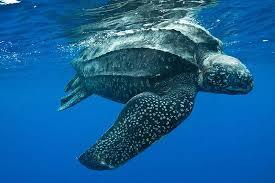
The Leatherback Turtle is the largest living sea turtle and one of the deepest-diving reptiles on the planet. Unlike other sea turtles, it has a flexible, leathery shell rather than a hard carapace, allowing it to dive to depths of over 1,000 metres in search of food.
Leatherbacks primarily feed on jellyfish and play a key role in controlling jellyfish populations, which can otherwise increase due to overfishing and ecosystem imbalance. By regulating jellyfish numbers, leatherbacks help maintain healthy marine food webs.
This species has a global distribution and migrates across entire ocean basins. In the Bay of Bengal, leatherbacks are mostly found in offshore waters and are rarely seen near shore, though they may pass through Bangladeshi waters during migration.
Leatherback turtles face severe threats from bycatch, plastic ingestion (mistaking plastic bags for jellyfish), vessel strikes, and climate change. Rising temperatures and beach erosion threaten nesting success worldwide.
The Leatherback Turtle is listed as Vulnerable globally, but some populations are Critically Endangered. Due to their wide-ranging nature, protecting leatherbacks requires strong international cooperation, fisheries management, and global action to reduce plastic pollution.
Loggerhead Turtle (Caretta caretta)
The Loggerhead Turtle is named for its large, powerful head and strong jaws, which allow it to crush hard-shelled prey such as crabs, molluscs, and conchs. It is one of the most migratory sea turtle species, traveling thousands of kilometres between nesting beaches and feeding grounds.
Loggerheads are found in temperate and tropical waters worldwide and are occasional visitors to the Bay of Bengal. While nesting in Bangladesh is rare, the region’s offshore and coastal waters serve as important foraging and migration areas.
This species plays an important ecological role by controlling populations of benthic invertebrates, helping maintain balance in marine food webs. Loggerhead hatchlings spend their early years drifting in ocean currents before moving to coastal feeding areas as juveniles and adults.
Loggerhead turtles face significant threats, particularly bycatch in longlines, trawls, and gillnets. Vessel strikes, habitat degradation, marine pollution, and climate change further contribute to population declines. Like all sea turtles, loggerheads are sensitive to rising sand temperatures, which affect hatchling sex ratios.
The Loggerhead Turtle is classified as Vulnerable globally, with some regional populations listed as Endangered. Conservation efforts focus on international cooperation, as loggerheads cross multiple national boundaries during their lifetime.
Kemp’s Ridley Turtle (Lepidochelys kempii)
The Kemp’s Ridley Turtle is the rarest and most endangered sea turtle species in the world. It is best known for its synchronized arribada nesting, which occurs mainly along the Gulf of Mexico.
This species primarily feeds on crabs and other crustaceans in shallow coastal waters. Kemp’s Ridleys mature relatively quickly compared to other sea turtles, but their restricted nesting range makes them highly vulnerable.
Kemp’s Ridley turtles are not native to the Bay of Bengal and are extremely unlikely to be found in Bangladeshi waters. However, their conservation story is globally important as a symbol of successful international cooperation.
Once on the brink of extinction, Kemp’s Ridley populations have shown signs of recovery due to strict nest protection, bycatch reduction, and international agreements. The species remains Critically Endangered, reminding us that strong conservation action can reverse even severe declines.
Flatback Turtle (Natator depressus)
The Flatback Turtle is unique among sea turtles because it is found only in Australian waters. It has a flatter shell and produces fewer but larger eggs than other species.
Flatbacks feed on soft-bodied invertebrates such as sea cucumbers, jellyfish, and soft corals. Their restricted range makes them highly vulnerable to localized threats.
Although Flatback turtles do not occur in Bangladesh, they are an important part of global sea turtle diversity. Protecting them highlights the importance of regional conservation tailored to species-specific needs.
Help us carry on our Programs