Our mission is to protect marine life, restore fragile coastal ecosystems, and empower communities to become active stewards of the environment. We work to ensure that threatened species such as sea turtles, cetaceans, whale sharks, seabirds, and corals can thrive in healthy, resilient habitats. Through science-based monitoring, conservation action, and strong community partnerships, we aim to safeguard the biodiversity of the Bay of Bengal while supporting sustainable development for the people who depend on it.
Our goals focus on creating long-term, measurable impact across coastal and marine landscapes. We strive to conserve critical habitats, reduce bycatch and marine pollution, and strengthen the resilience of vulnerable ecosystems to climate change. Equally important, we work closely with local fishers, youth, and community groups to improve livelihoods, enhance environmental awareness, and ensure that conservation efforts benefit both people and nature.
By integrating research, education, habitat restoration, and community engagement, we aim to bridge the gap between conservation and human well-being. Ultimately, our goal is to build a future where healthy oceans, thriving wildlife populations, and resilient coastal communities coexist in harmony—ensuring that the natural heritage of Bangladesh is protected for generations to come.
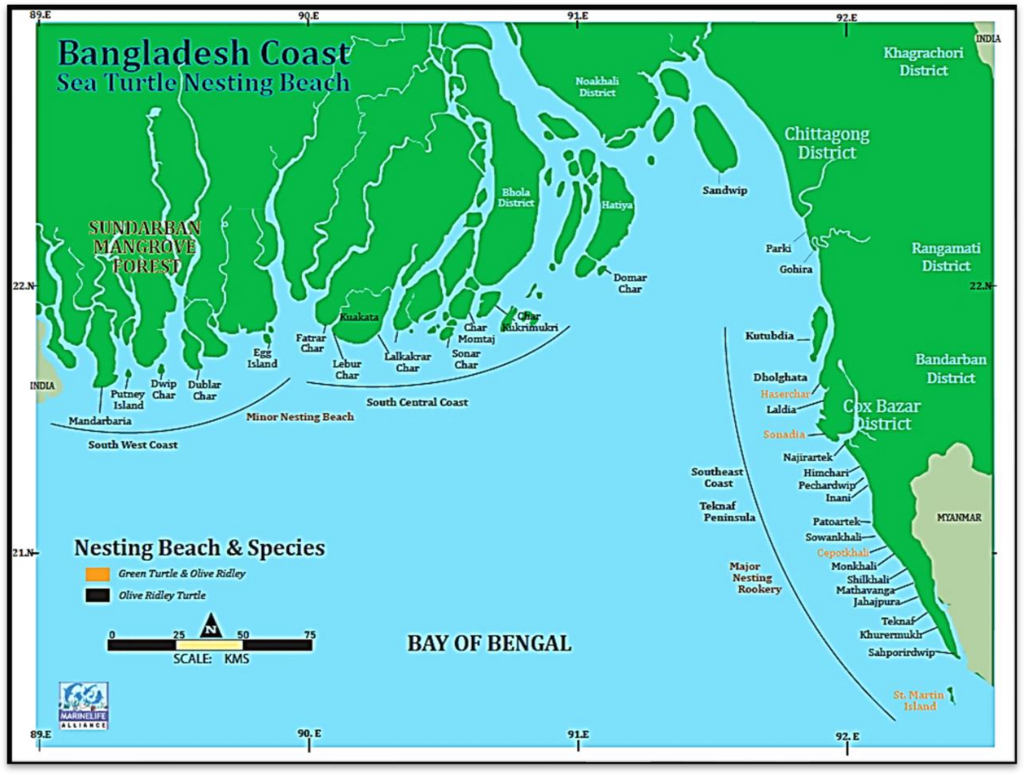
Marine Life Alliance is a dedicated conservation organization working to protect Bangladesh’s coastal and marine environment. Our focus spans the conservation of sea turtles, dolphins and whales, whale sharks, seabirds, coral communities, and other key marine species. For more than a decade, we have led long-term monitoring, habitat restoration, research, and community-driven conservation across Cox’s Bazar, Sonadia, St. Martin’s Island, and the wider Bay of Bengal.
We collaborate closely with local fishers, coastal communities, government agencies, and international partners to reduce bycatch, restore ecosystems, promote low-impact tourism, and build resilience to climate change. Our work combines scientific data, traditional knowledge, and nature-based solutions—such as habitat restoration—to ensure lasting results. MLA is committed to protecting marine biodiversity while improving community livelihoods, working toward a sustainable and resilient future for both people and nature.
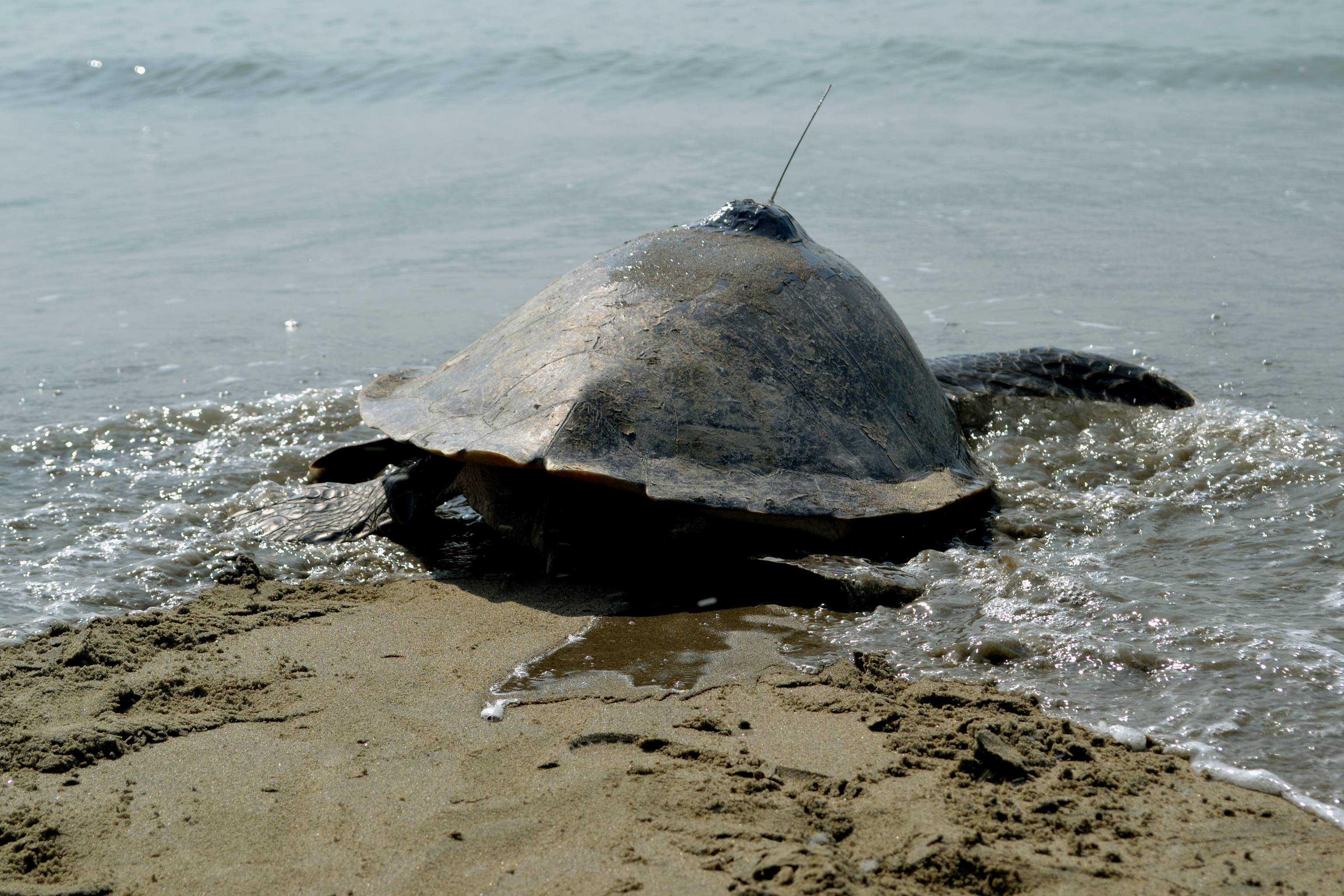
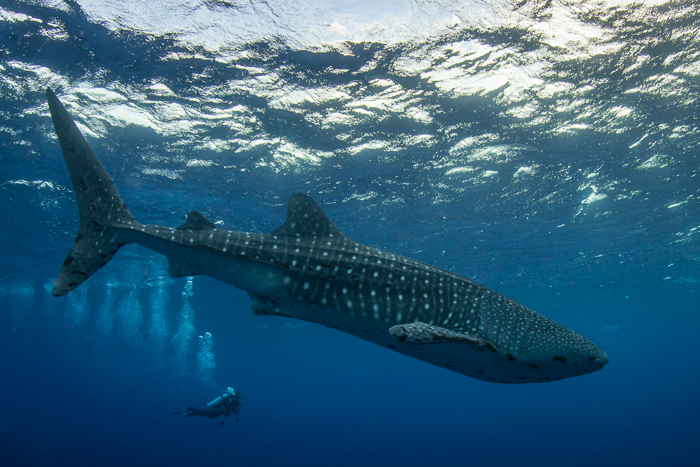
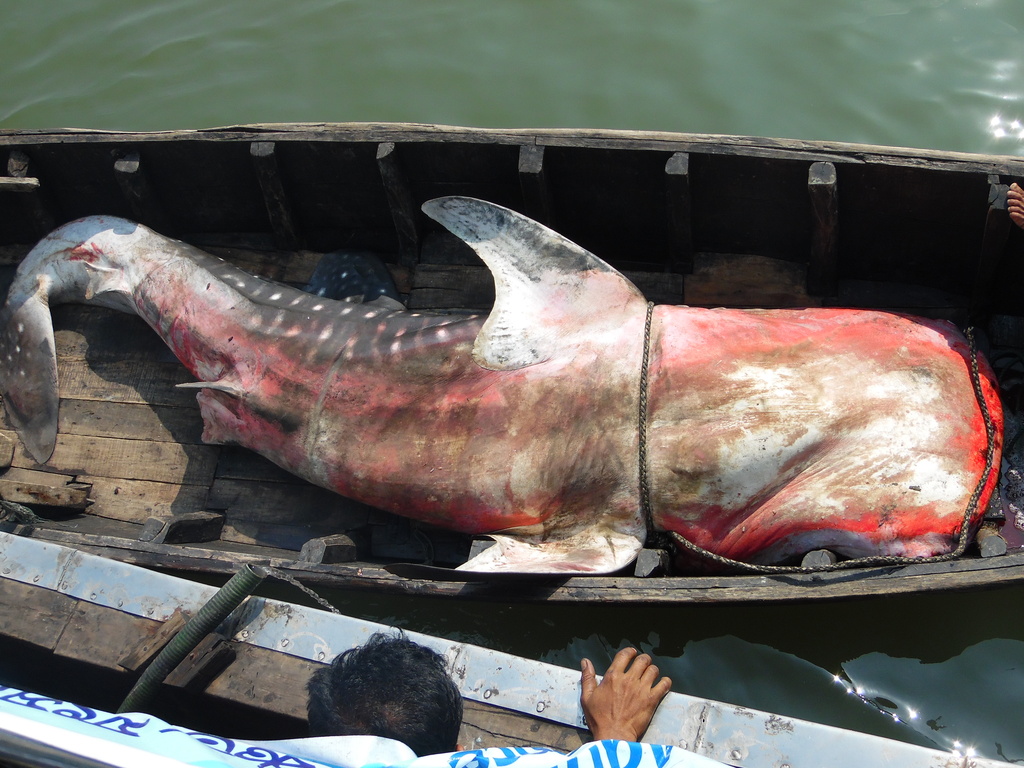
Marine Life Alliance (MLA) leads comprehensive conservation programs focused on protecting sea turtles, cetaceans, whale sharks, corals, seabirds, and vital coastal habitats across Cox’s Bazar, Sonadia, St. Martin’s Island, and the wider Bay of Bengal. Our work includes nesting beach monitoring, hatchery management, tagging and research, habitat protection, and reducing turtle bycatch through close engagement with fishing communities. For dolphins and whales, we conduct boat-based surveys, photo identification, movement tracking, threat assessment, habitat mapping, and stranding response, working with authorities to strengthen marine protected area management. Our whale shark program documents sightings, collects biological data, supports safe-release practices, and builds a national database to guide conservation action.
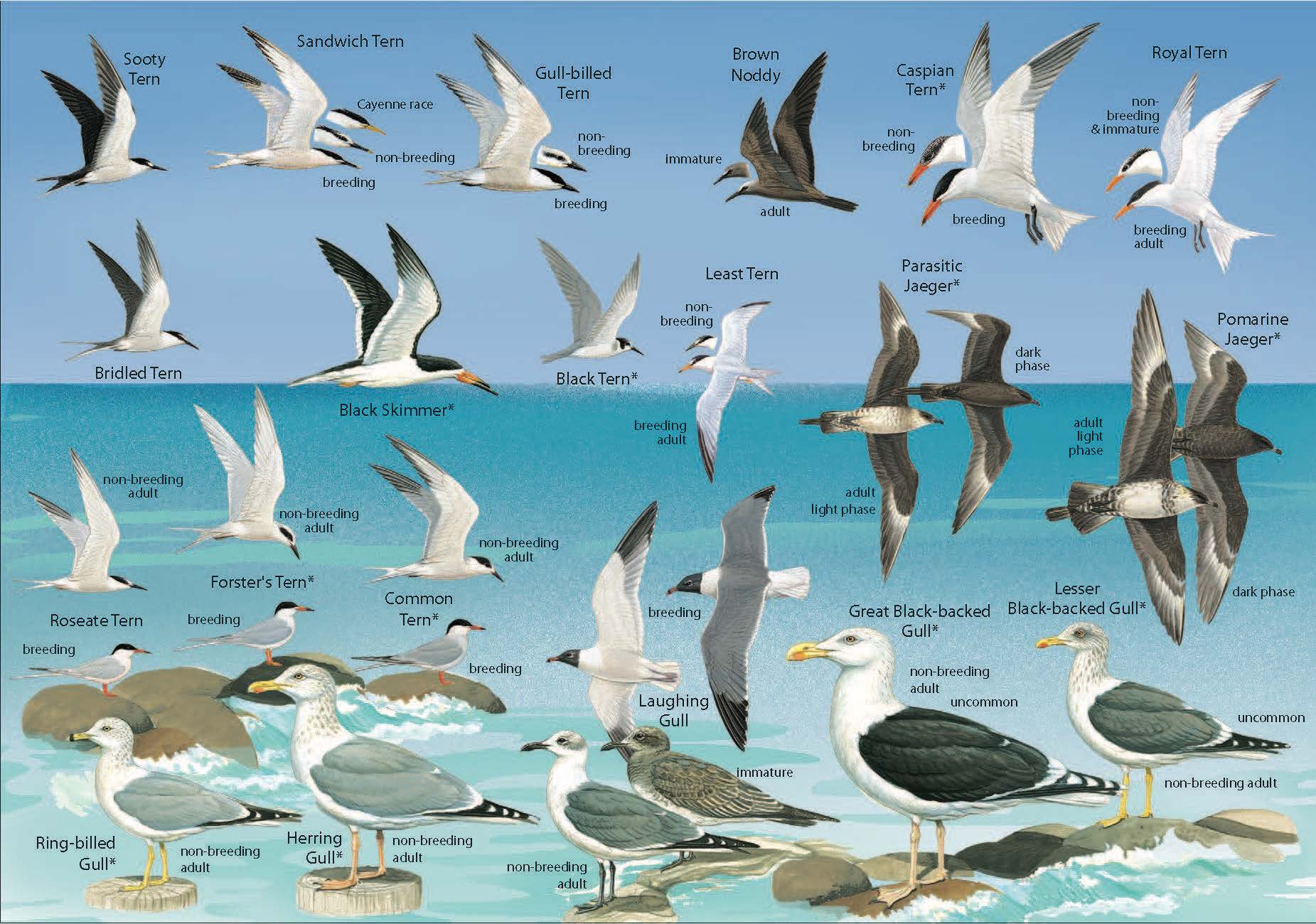
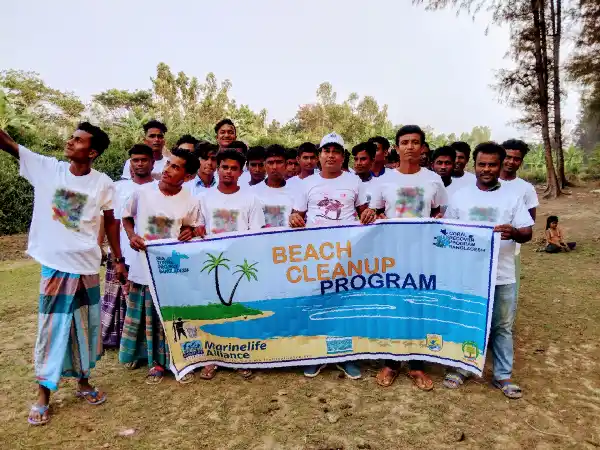
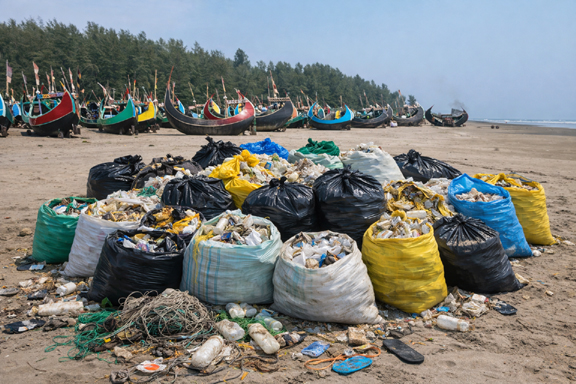
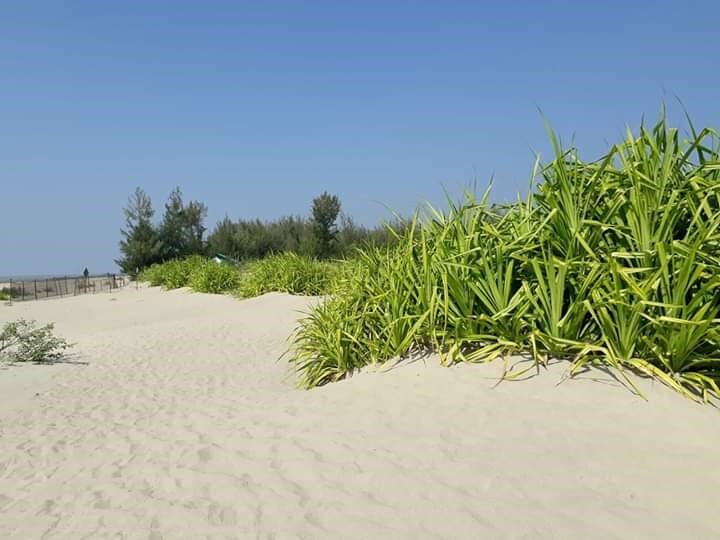
MLA also carries out coral reef health assessments, underwater surveys, bleaching monitoring, water quality monitoring, and awareness for responsible marine tourism, helping to protect fragile reef ecosystems. Our habitat restoration efforts include large-scale beach cleanups, removal of plastics and ghost nets, community-led waste reduction, and the plantation and maintenance of screwpine belts to stabilize dunes and strengthen shoreline resilience.
Through research, field programs, youth engagement, fisher cooperation, and nature-based solutions, MLA works to safeguard marine biodiversity while improving local livelihoods. Our programs aim to build a sustainable, climate-resilient future where people and nature thrive together.
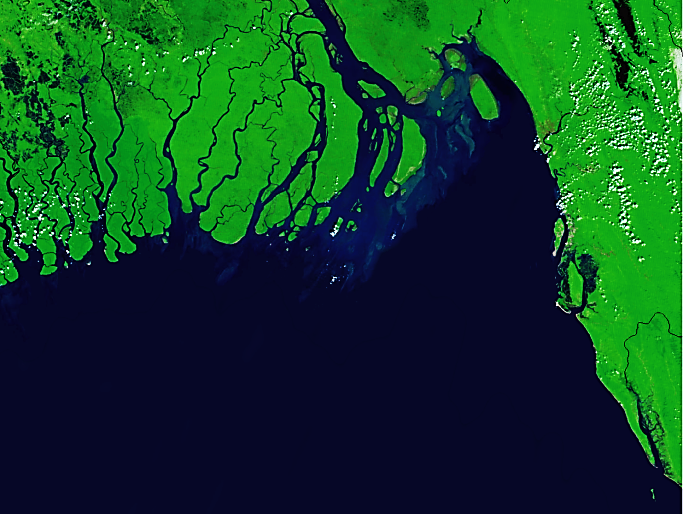

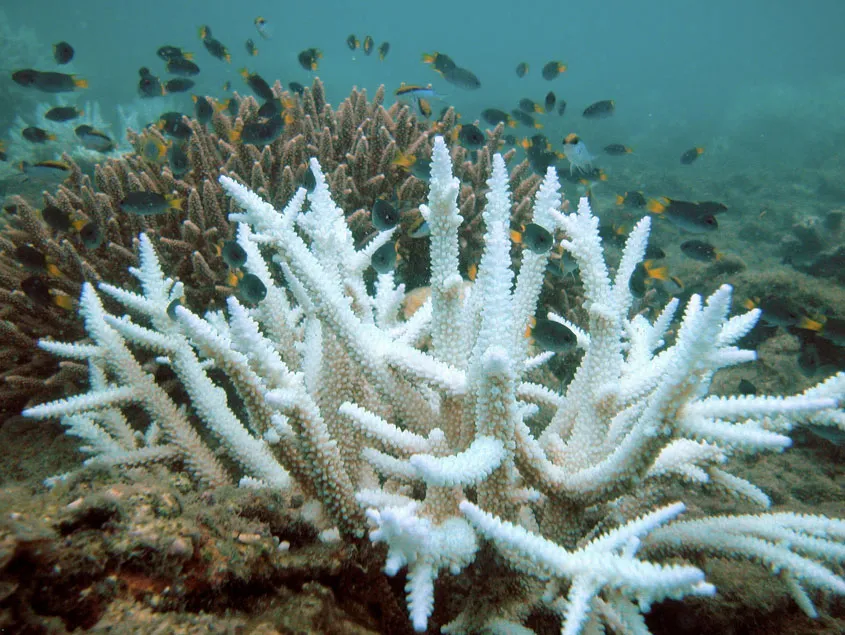
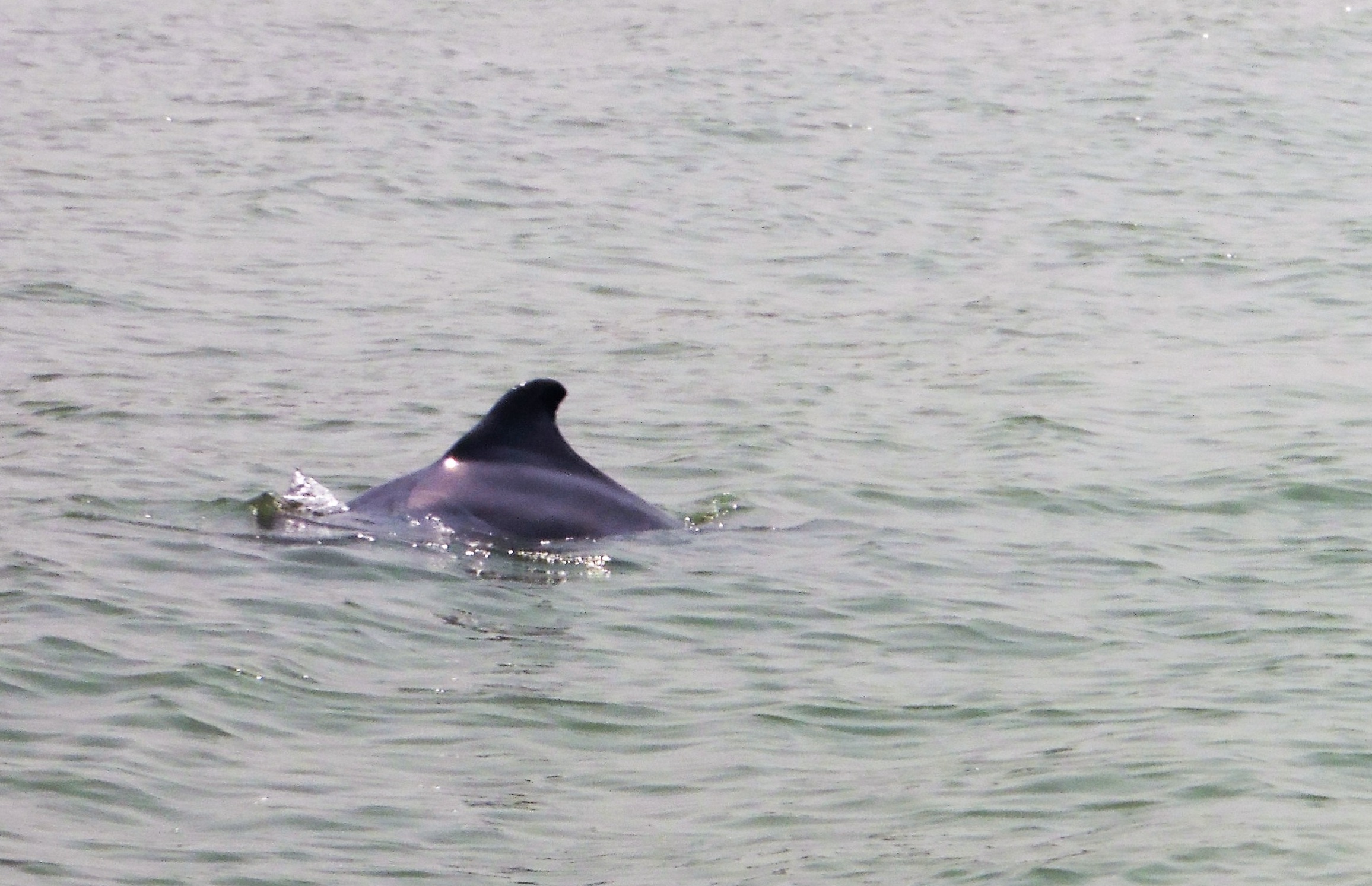
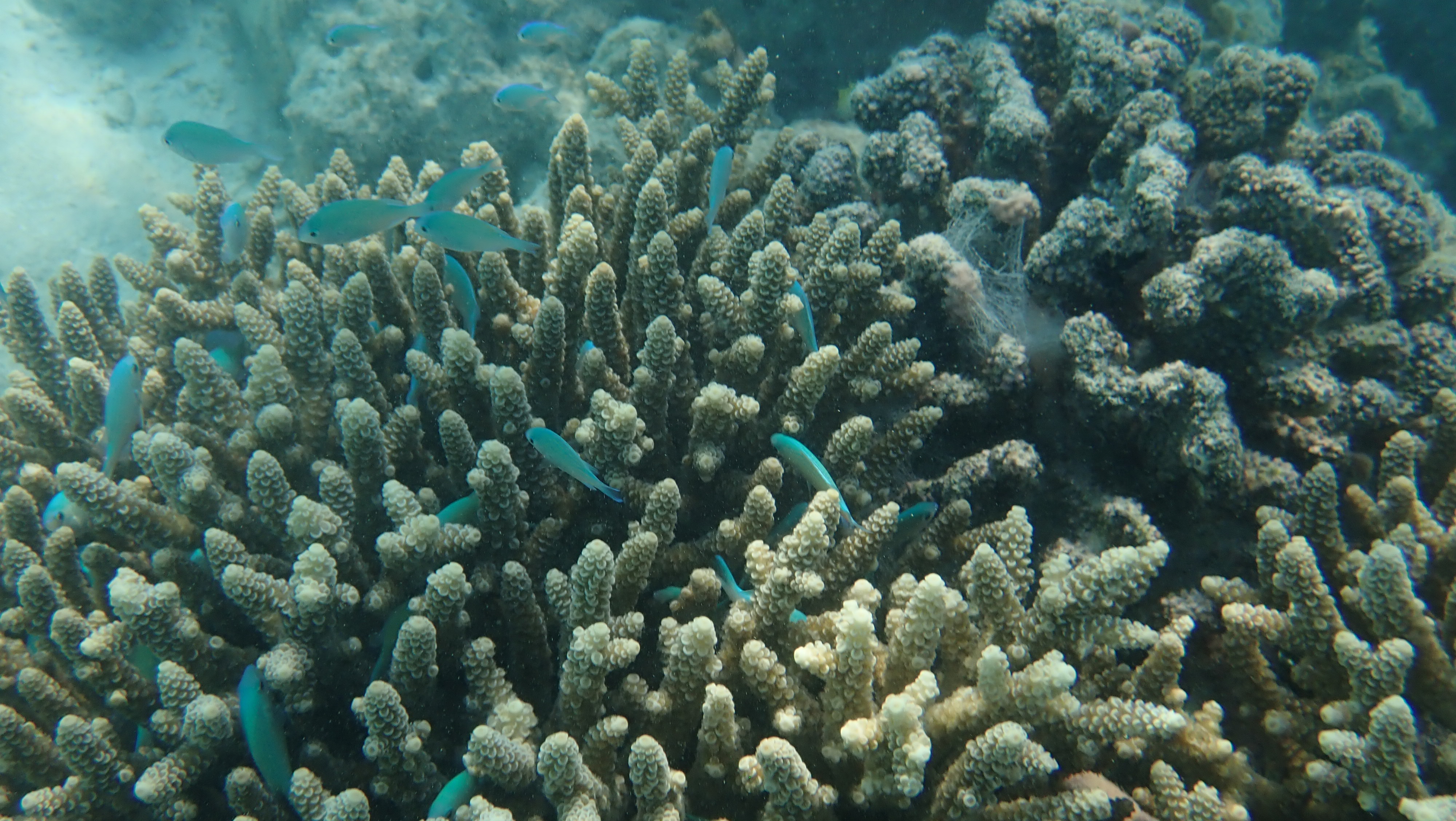
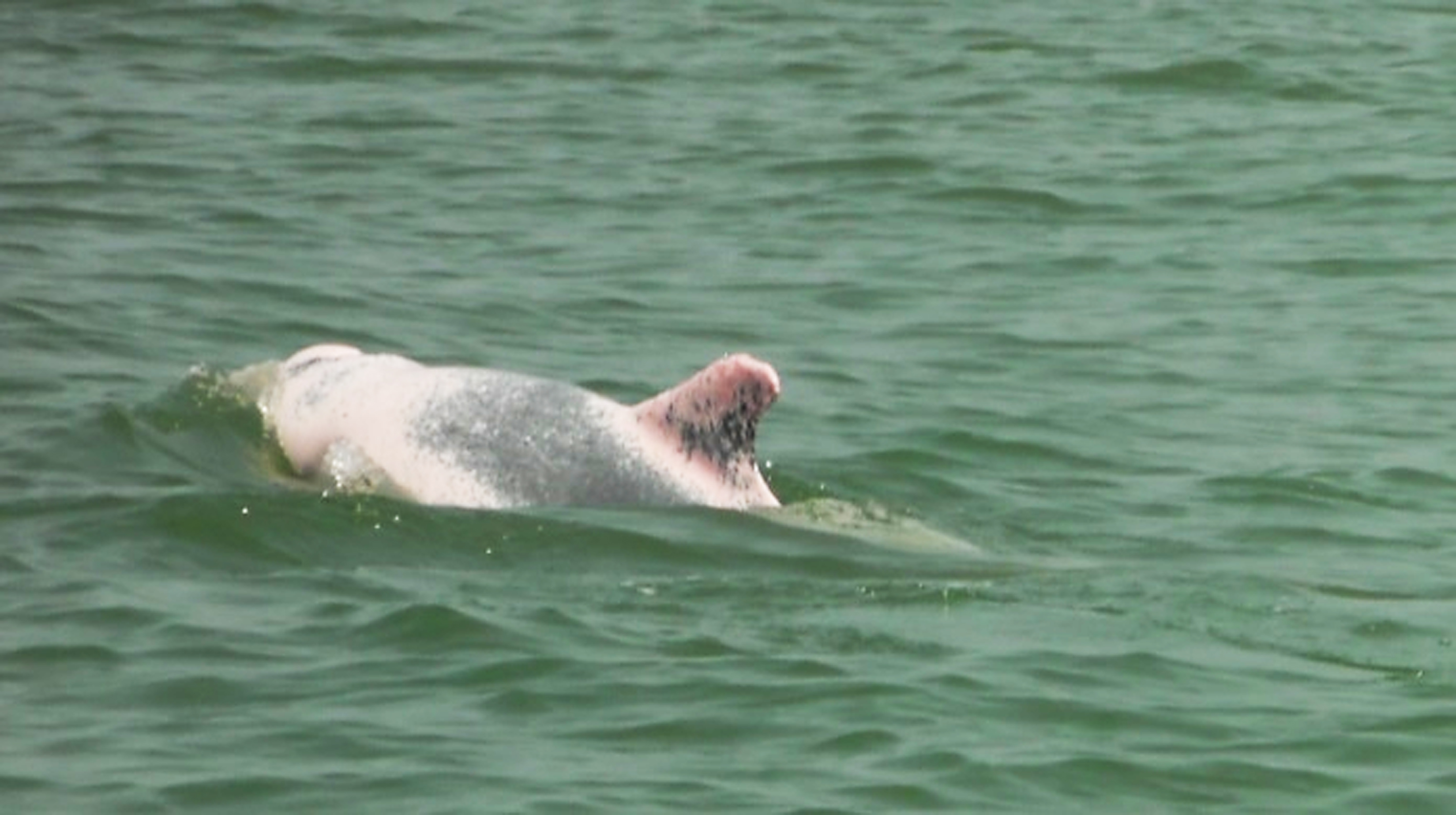
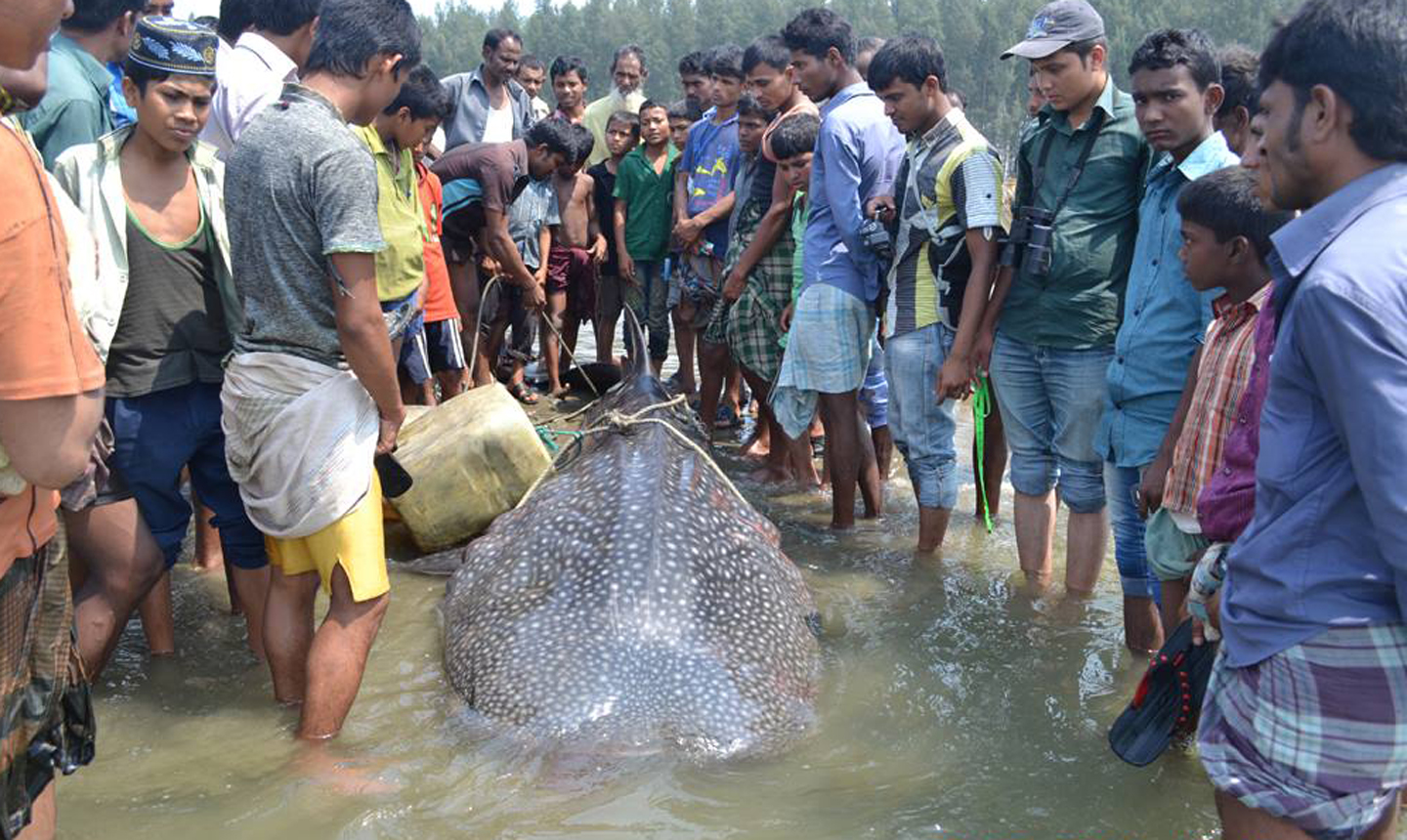
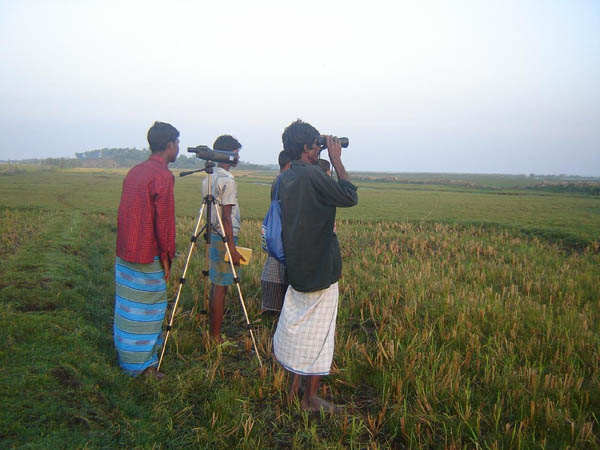
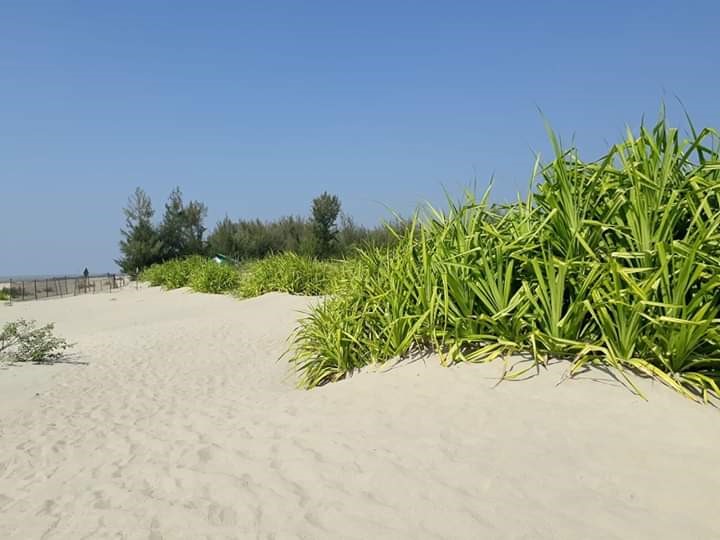
There is so much in the ocean that lies beyond our control — we cannot calm every storm, we cannot cool the warming seas, and we cannot save every creature struggling beneath the waves. Yet when we know where the reefs are fading, where turtles fight to reach the shore, where dolphins are lost to nets, and where coastal communities stand at the edge of change, then we can act. With knowledge comes responsibility, and with responsibility comes hope. We may not be able to shape the tides, but we can protect the lives shaped by them. Together, we can restore what has been damaged, defend what remains, and give the ocean a future worth fighting for.
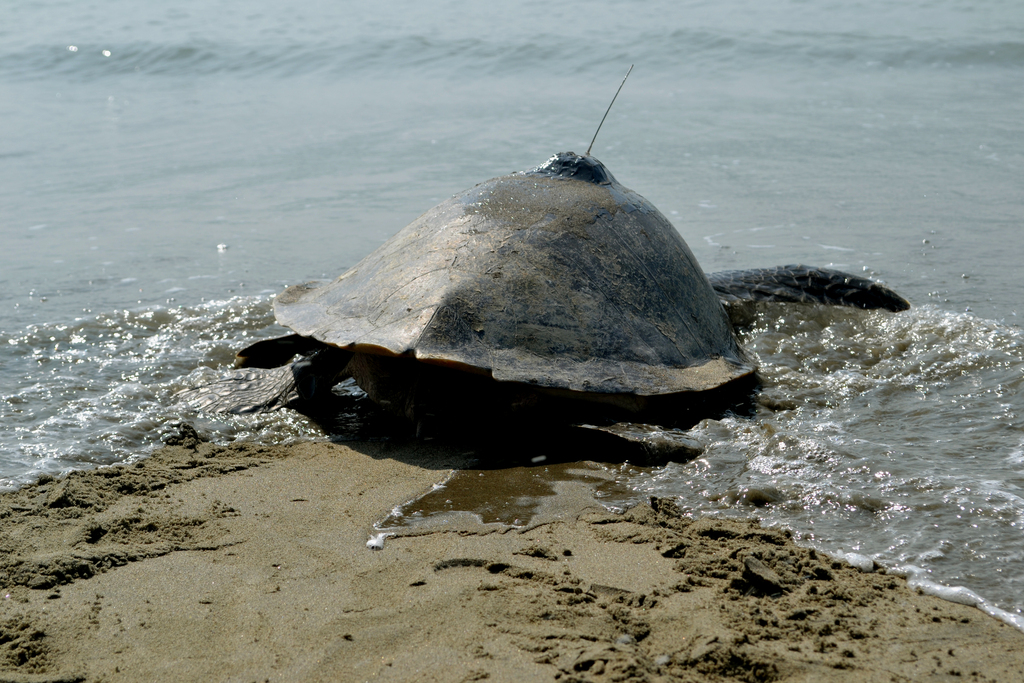
Sea Turtle Rescued from bycatch and released
SEA TURTLE HATCHLINGS RELEASED
Coastal dolphins released from fishing gears
sea turtle nest protected for hatching
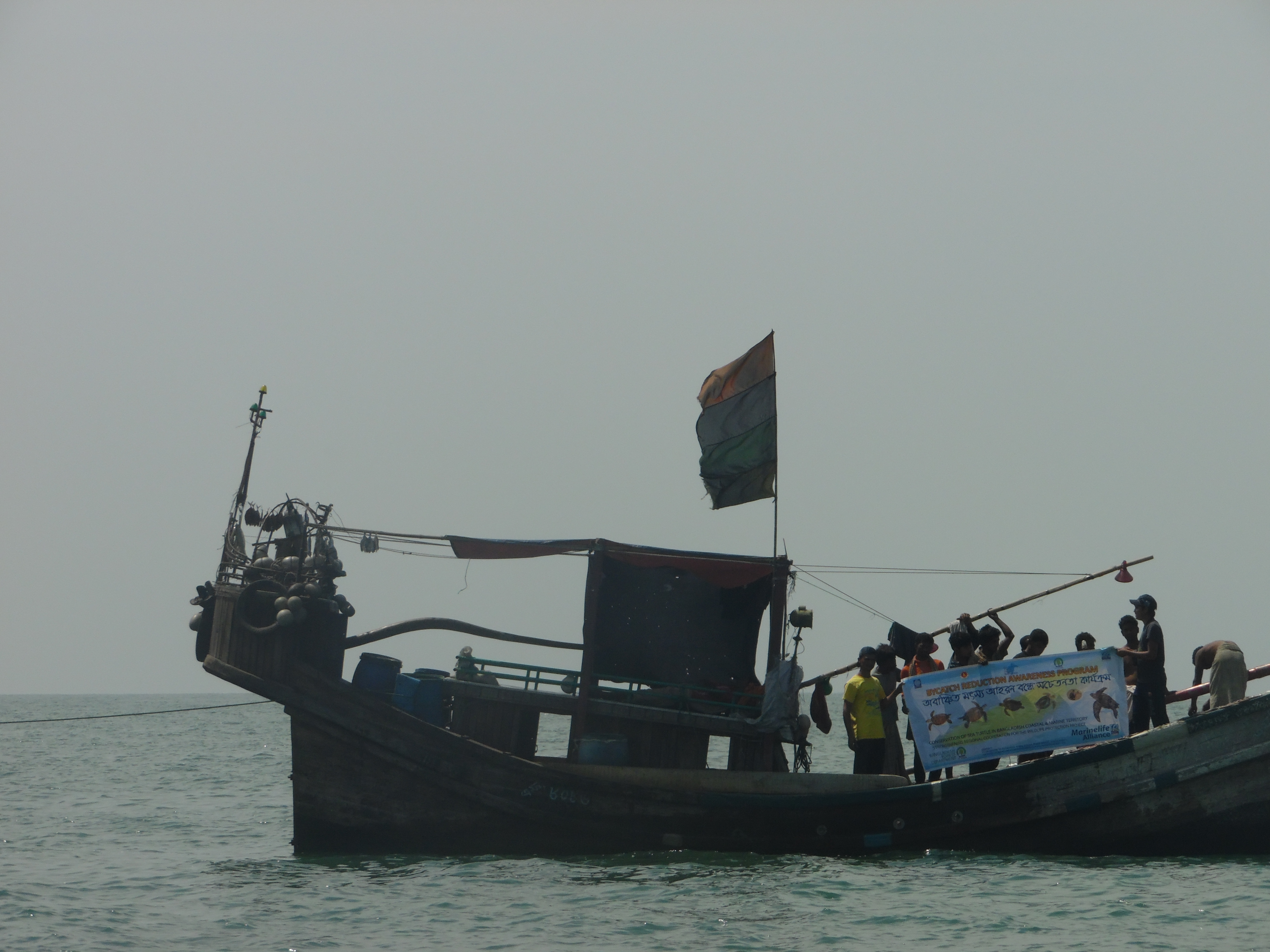
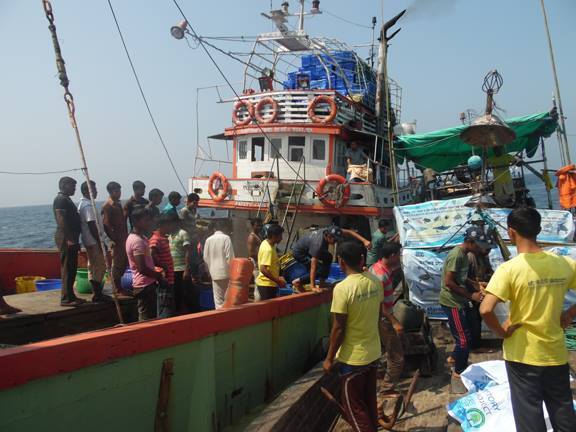
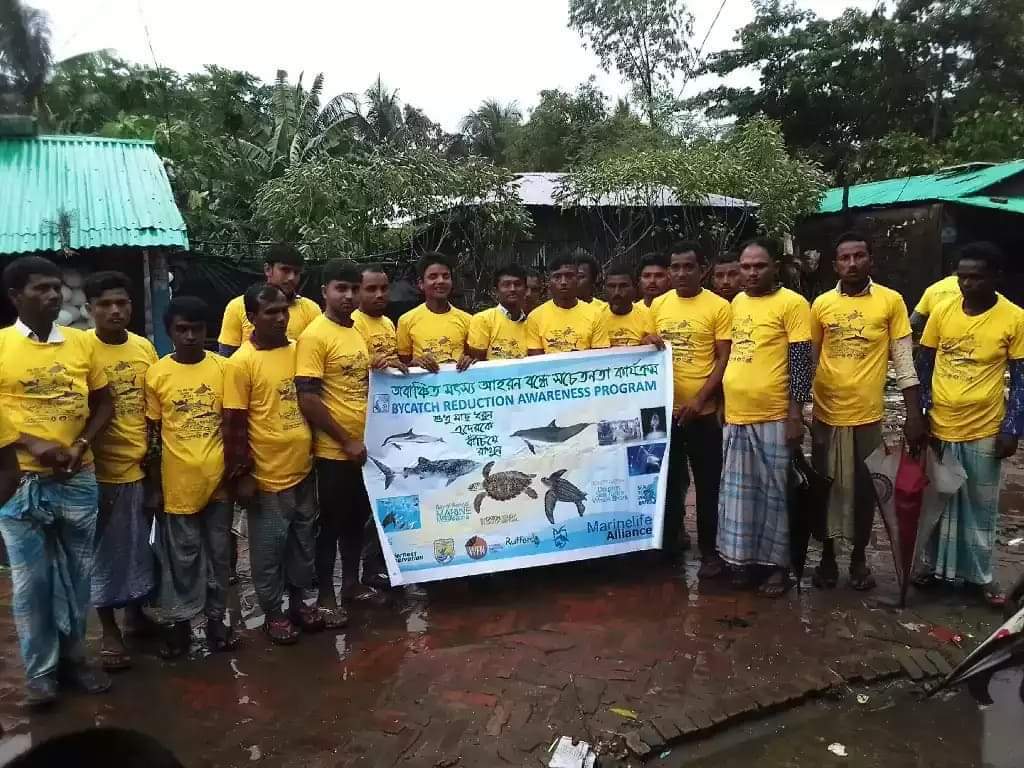
oFfshore fishermen trained for bycatch reduction
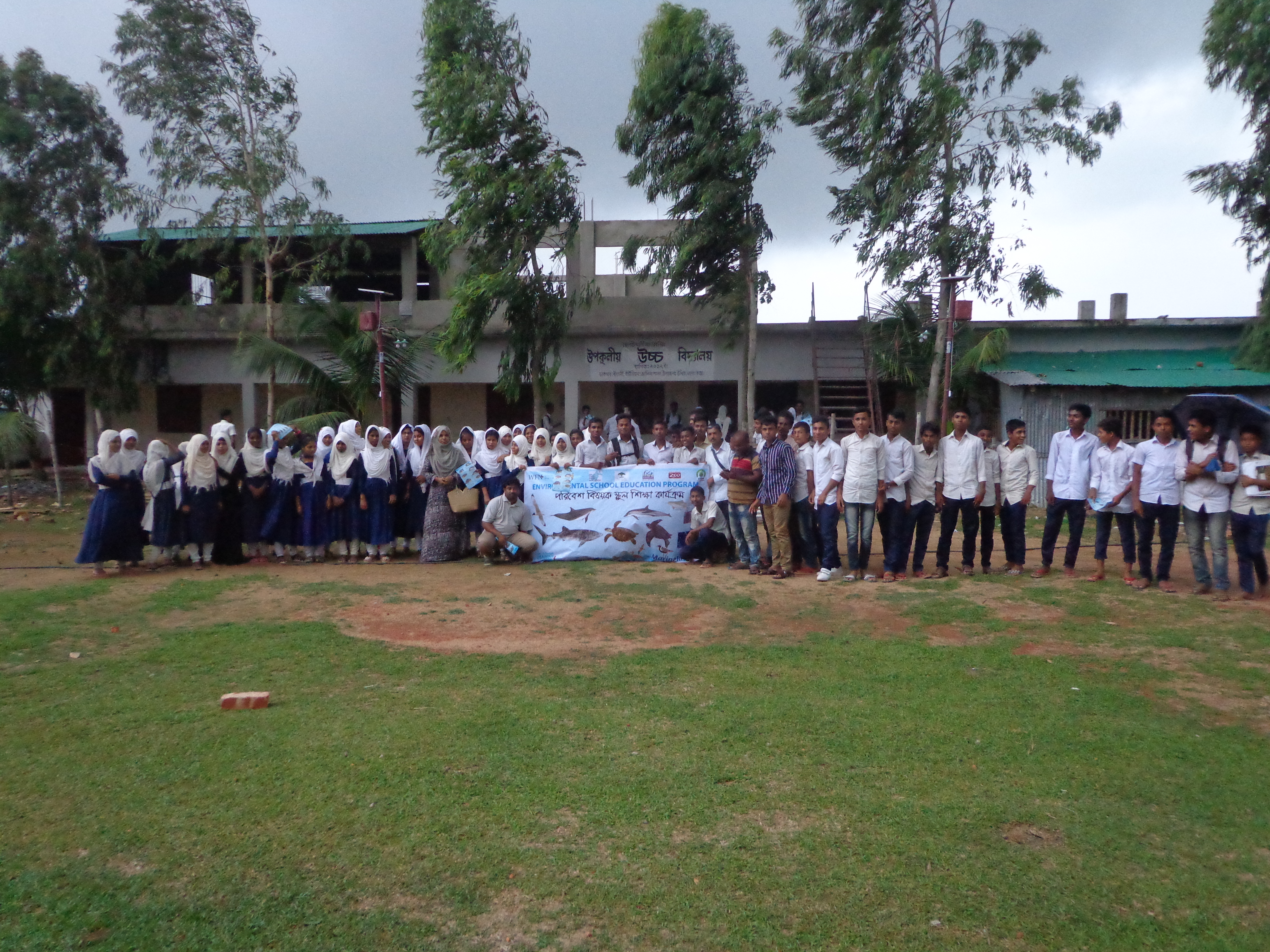
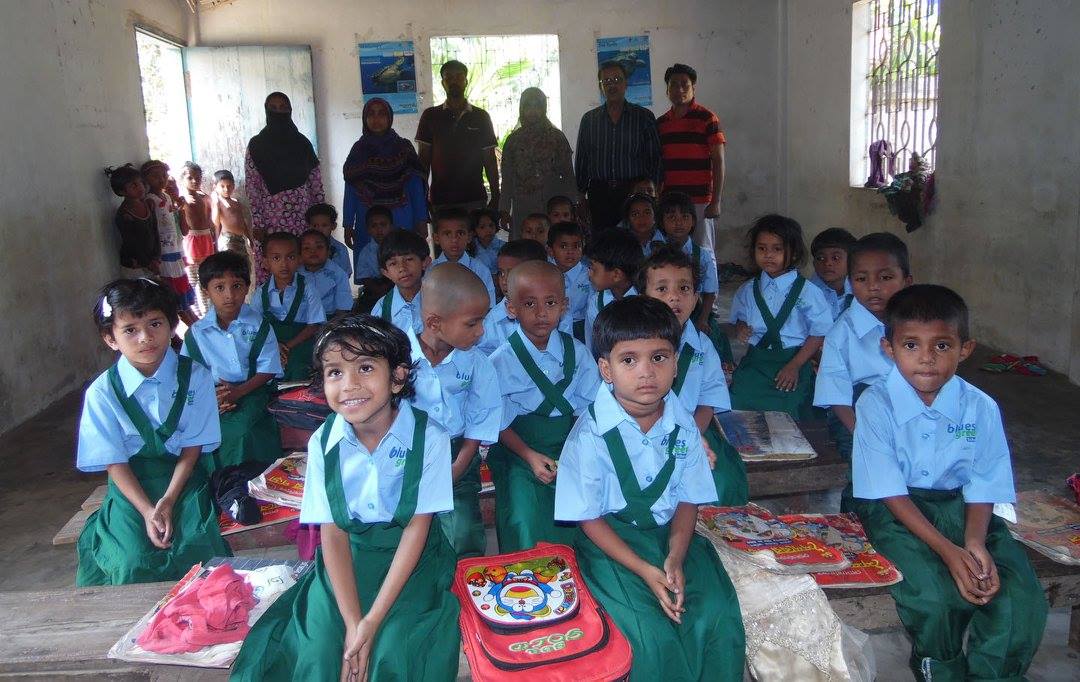
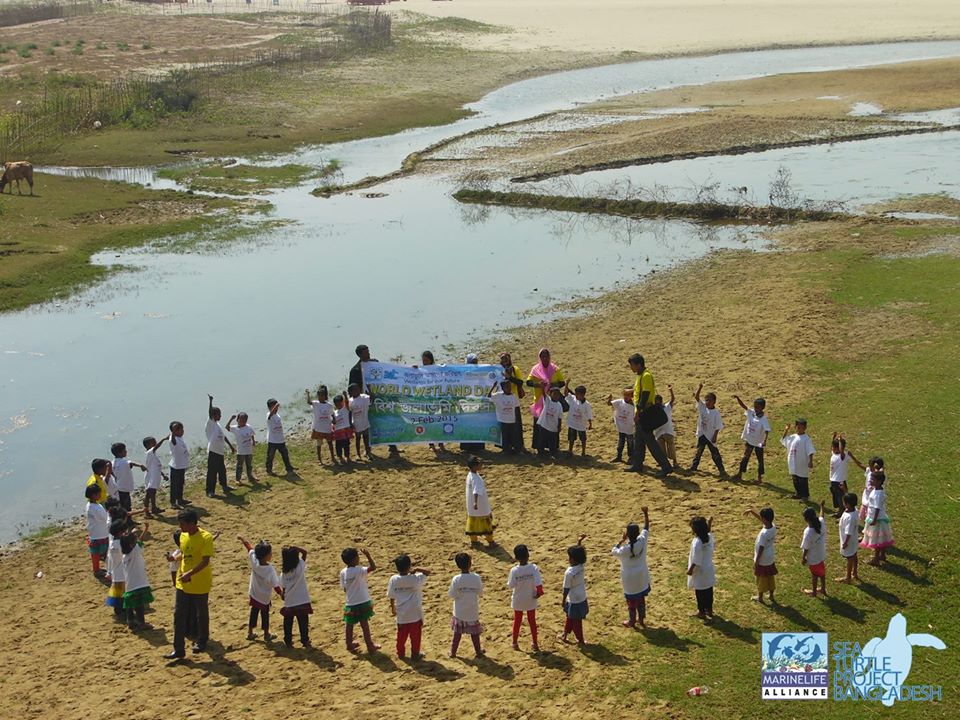
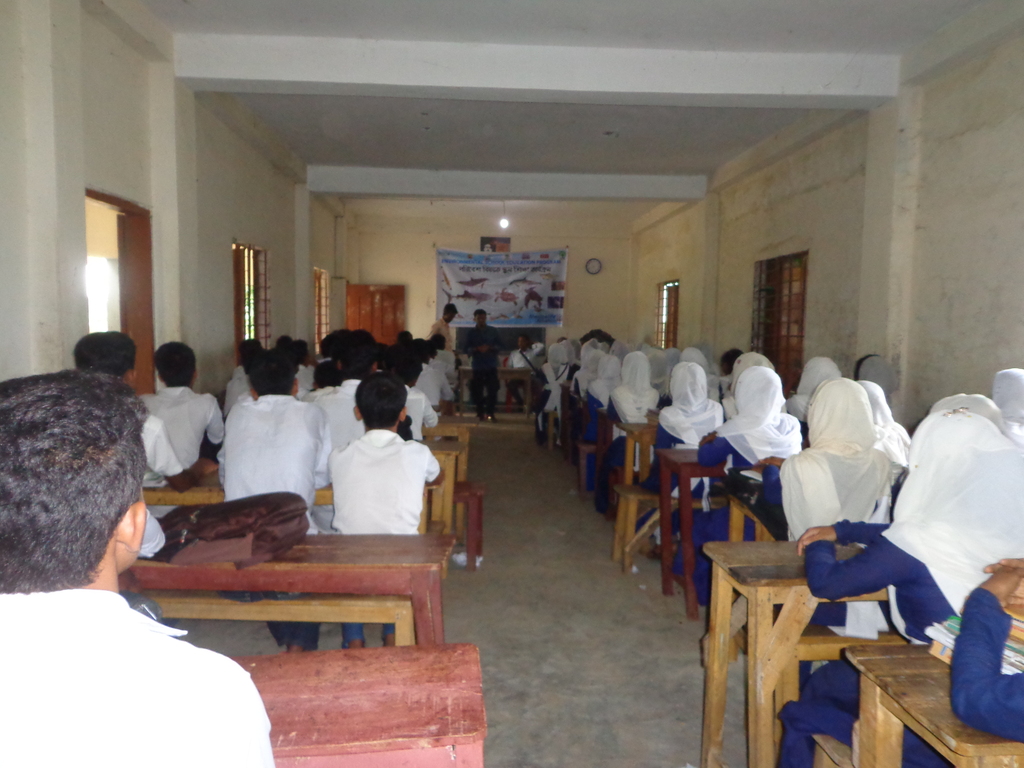
students and teachers participated in environmental and marine life education
2005-2025
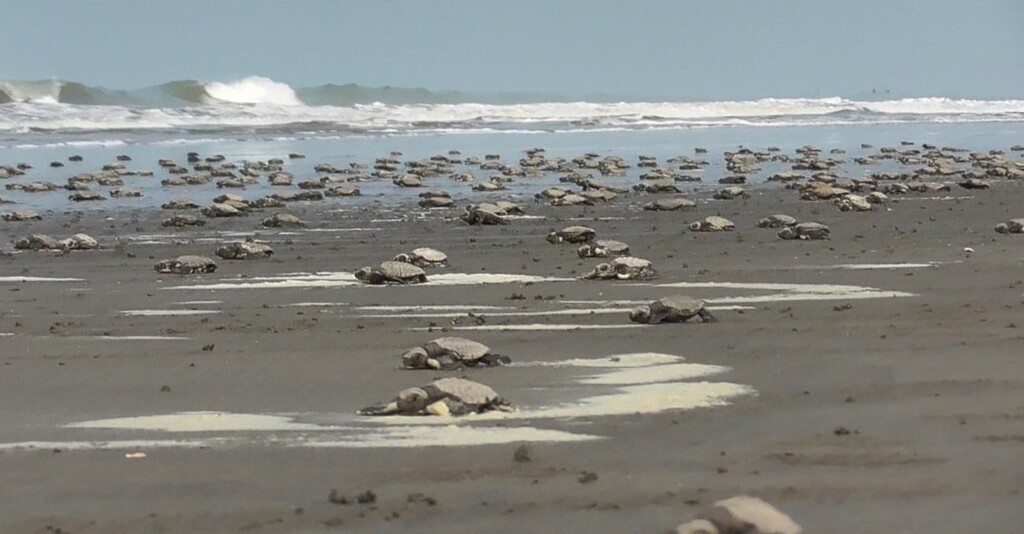
Since 2005, our sea turtle conservation program has successfully protected nesting beaches and released more than 1.3 million hatchlings into the sea, demonstrating a significant contribution to improving breeding success and strengthening future turtle populations.
August 2016
Septmber 2012
July 2007
Lorem ipsum dolor sit amet, consectetuer adipiscing elit. Aenean commodo ligula eget dolor. Lorem ipsum dolor sit amet, consectetuer adipiscing elit leget dolor.
March 2010
Lorem ipsum dolor sit amet, consectetuer adipiscing elit. Aenean commodo ligula eget dolor. Lorem ipsum dolor sit amet, consectetuer adipiscing elit leget dolor.
2017-23
Lorem ipsum dolor sit amet, consectetuer adipiscing elit. Aenean commodo ligula eget dolor. Lorem ipsum dolor sit amet, consectetuer adipiscing elit leget dolor.
March 2010
Lorem ipsum dolor sit amet, consectetuer adipiscing elit. Aenean commodo ligula eget dolor. Lorem ipsum dolor sit amet, consectetuer adipiscing elit leget dolor.
2005